

Bottom Line: The Home Assistant Companion app is not a consumer gadget; it is a serious, open-source control panel for an equally serious smart home platform, demanding technical engagement for unparalleled power and privacy.
The Home Assistant Companion app enters a smart home arena plagued by fragmentation and proprietary shackles. Its very existence is an act of defiance, offering a powerful, open-source alternative to the increasingly closed ecosystems championed by tech giants. For the seasoned technologist or the privacy advocate, this app, paired with a robust Home Assistant backend, represents the ultimate ideal: absolute control, local processing, and a complete absence of data harvesting.
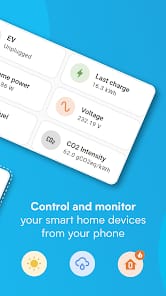
The utility's strength lies in its uncompromising depth. This is not a minimalist, stripped-down application; it is a full-fledged command center. The ability to pull in data from virtually any connected device—and then use that data to trigger complex, multi-conditional automations—is genuinely revolutionary. Imagine lights that dim not just at sunset, but specifically when your phone's battery drops below 15% and you're detected in the living room after 8 PM. Or climate control that adjusts not just to temperature, but also to the presence of specific individuals, factoring in their wearable's activity data. This level of nuanced, intelligent automation is simply unattainable with most off-the-shelf solutions, which frequently limit users to simple "if this, then that" logic. The Companion app provides the mobile interface necessary to configure, monitor, and troubleshoot these intricate dance routines of your home.
However, this profound power comes with a significant toll: complexity. The user feedback consistently highlights a steep learning curve, a critique I echo. This is not a casual download. Onboarding friction is substantial; simply setting up a Home Assistant instance, let alone configuring its mobile counterpart to its full potential, requires a solid understanding of networking, YAML configuration files, and the intricacies of various smart home protocols. The app assumes a level of technical aptitude that many mainstream consumers simply do not possess or wish to acquire. The elegance of its capabilities is often hidden behind layers of configuration. For someone accustomed to tapping an app and having a device instantly appear, the Home Assistant experience can feel like assembling a custom PC from scratch when they only wanted to play a game.
Furthermore, the "occasional bugs, responsiveness issues, and connectivity problems" are not mere footnotes; they are critical concerns for an application central to home automation. When your mobile gateway to your smart home falters, whether due to a network switch or an application glitch, the entire edifice of convenience can crumble. A reliable, instantaneous connection is paramount. While the open-source nature often means rapid iteration and community-driven fixes, it also implies a certain variability in stability that polished commercial offerings, despite their limitations, often surpass. It’s a trade-off: unparalleled customizability and privacy for potential moments of frustration that require technical intervention.
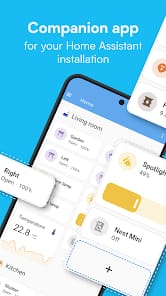
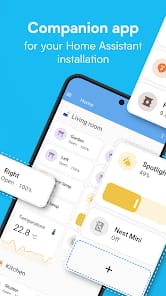
The customizability of dashboards and themes is another double-edged sword. While it’s liberating to design an interface precisely tailored to one's needs, the sheer breadth of options can be overwhelming. Crafting an intuitive, aesthetically pleasing dashboard is an art form in itself, requiring time and design sensibility. This isn't a minor tweak; it's often a significant project in visual information architecture.
In essence, the Home Assistant Companion app serves as the indispensable portable window into a meticulously crafted, self-managed smart home. Its value is directly proportional to the user's willingness to engage with its underlying technical demands. For those who relish deep control and are wary of corporate ecosystems, it is an essential tool. For everyone else, it remains an intimidating, albeit fascinating, glimpse into the future of truly autonomous living.