
Bottom Line: iNaturalist is an essential, if occasionally buggy, tool that transforms your smartphone into a powerful tricorder for the natural world. It masterfully fuses AI, community expertise, and a sense of scientific purpose into an indispensable app for the curious.
The Core Loop: From Observation to Identification
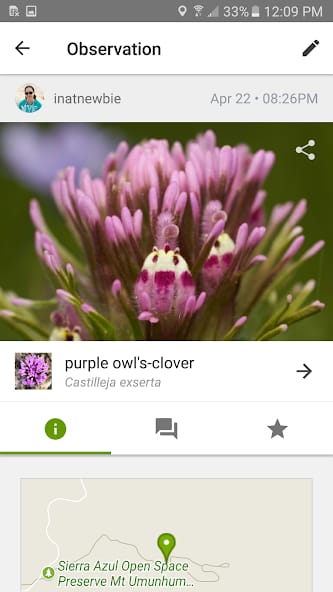
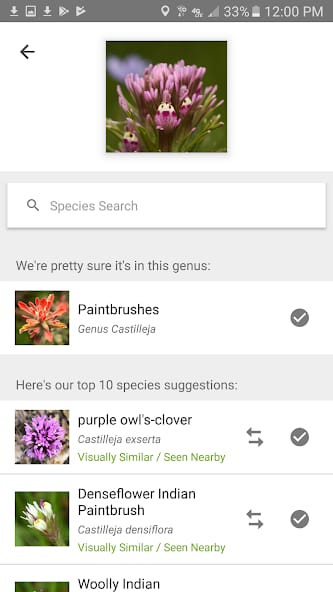
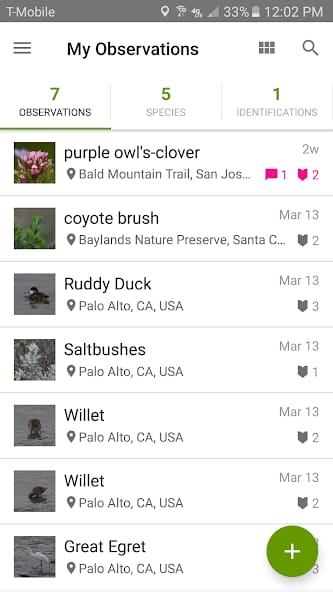
The user experience of iNaturalist revolves around a tight, compelling feedback loop. It begins with the simple act of curiosity. You spot an unfamiliar fungus on a log. You pull out your phone, snap a picture, and upload it. This is where the magic begins. The latency on the AI's first pass is impressively low; within seconds, it offers a list of visually similar species, often with a "top suggestion" it's confident about.
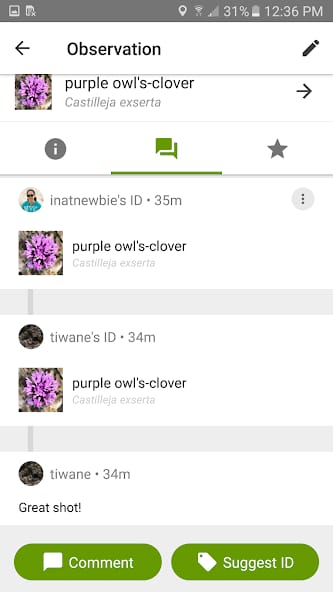
For the casual user, this initial AI verdict is often enough. But the system's real integrity comes from the second step: community verification. Your observation enters a queue where other, more experienced users can weigh in. They can agree with the AI, suggest a different identification, or ask for more photos. When an observation reaches "Research Grade"—meaning at least two-thirds of identifiers agree on the species—it becomes a verified data point for scientists. This process is the app's single greatest innovation. It cleverly outsources the immense challenge of species identification to a hybrid system where machine intelligence provides the initial heavy lifting and human expertise provides the crucial final validation. It’s a brilliant solution to a complex problem, creating a self-correcting ecosystem of knowledge.
More Than a Field Guide
Calling iNaturalist a "field guide" is like calling a library a "book." It misses the point. The platform is fundamentally a social network, and this is key to its sticking power. You follow experts, you get notifications when someone identifies your sighting, and you can participate in "BioBlitz" events to catalog all the species in a specific area over a short period. This community layer transforms identification from a solitary utility into a collaborative, almost game-like, pursuit. The app doesn't need to invent artificial rewards because the intrinsic motivation of learning and contributing is powerful enough. However, the mobile app is a clear subordinate to the website. Power users will inevitably find themselves migrating to the desktop browser for its superior data filtering, detailed map views, and more robust community management tools. The app is the data collection endpoint; the website is the research station.