


Bottom Line: Nerdish posits itself as the antidote to informational bloat, delivering bite-sized knowledge for the modern adult. While the iOS iteration shines, the Android experience is marred by performance inconsistencies and an opaque monetization strategy that stifles its educational promise.
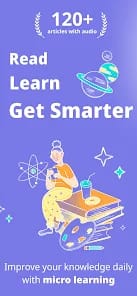
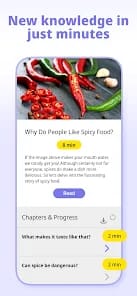
Nerdish presents an intriguing thesis: that significant knowledge accretion can occur through consistent, brief engagements with well-curated content. On paper, this is precisely the kind of innovation the educational technology sector desperately needs—a counter-narrative to the sprawling, often overwhelming, online courses that demand considerable time investment. The app’s strength lies in its editorial commitment; the promise of fact-checked, science-based articles across such a broad array of disciplines is a significant draw. Users consistently laud its ability to introduce novel concepts and present them in an engaging, accessible manner, often elevating it above the passive consumption of social media. The aspiration here is clear: leverage the convenience of the smartphone to foster intellectual curiosity and genuine understanding.
However, the execution, particularly across its various platform deployments, reveals a chasm. While the iOS version garners overwhelmingly positive feedback, lauded for its effectiveness and smooth operation, the Android experience tells a different, more concerning story. A critical component of any "free" knowledge application is its accessibility, and on Android, this principle appears compromised by articles frequently locked behind an unspecified paywall. This creates significant user friction, undermining the initial allure of free self-education and generating understandable frustration. Users are not just encountering a paywall; they are often stumbling upon it unexpectedly, a design choice that feels less like a transparent business model and more like a bait-and-switch.
Furthermore, the technical stability on Android is demonstrably inferior. Reports of freezing and crashing are not isolated incidents but a recurring theme in user feedback, indicating a fundamental engineering deficiency. An educational application, perhaps more than any other, demands unwavering reliability. Interruptions in the learning flow—whether due to technical glitches or sudden content locks—severely degrade the user experience and, more critically, disrupt the cognitive process that Nerdish purports to facilitate. The promise of "effortless reading" becomes a hollow claim when the underlying platform struggles to maintain basic functionality. This performance disparity between platforms is not merely an inconvenience; it suggests a significant imbalance in development priorities and quality assurance. For a product aimed at fostering understanding, it ironically fosters a degree of confusion and disappointment on a major mobile ecosystem. The ambition of transforming idle moments into intellectual gains is hobbled by these operational inconsistencies and strategic missteps on Android.