

Bottom Line: SimpleLogin stands as an essential bulwark against the relentless tide of digital oversharing, delivering a robust, open-source email alias service that prioritizes user privacy above all else. Its few rough edges in user experience are a small price for the profound peace of mind it offers.
SimpleLogin tackles one of the internet's most persistent and insidious problems: the compromise of our personal email addresses. In an economy built on data, our email is often the primary key, unlocking everything from shopping accounts to banking. SimpleLogin's core proposition—generating unique aliases for every service—is not just a convenience; it's a strategic defense mechanism. When a data breach inevitably occurs on a third-party site, only the alias is exposed, not your real email. This immediate isolation limits the fallout, rendering the compromised alias useless for targeting your true identity across other platforms. This isn't theoretical; it's a pragmatic response to the reality of modern digital life.
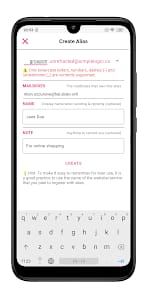
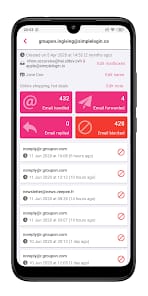
The genius lies in its execution. The on-the-fly alias generation via browser extensions is frictionless, a crucial element for mass adoption of a privacy tool. The moment a signup form appears, a click generates a new, unique address. This eliminates the psychological barrier of creating and managing countless throwaway emails, streamlining the user experience to the point where privacy becomes effortless. Furthermore, the ability to send and reply from aliases transforms them from mere receiving funnels into fully functional communication channels. This maintains the facade of a unique identity, allowing users to engage meaningfully without revealing their primary email. The utility here is profound, moving beyond simple spam filtering to genuine identity obfuscation.
For businesses or individuals seeking an elevated level of professionalism and control, custom domain support is a significant value proposition. Instead of generic slmail.me aliases, users can project a consistent brand identity while still leveraging SimpleLogin's privacy benefits. This demonstrates the tool's versatility, scaling from casual personal use to more sophisticated professional applications. The open-source nature and self-hosting options are not mere checkboxes for the privacy-conscious; they are foundational pillars of trust. In an age of opaque black-box services, the ability to audit the code and control the infrastructure yourself is an invaluable assurance. It speaks volumes about Proton AG's commitment to user autonomy.
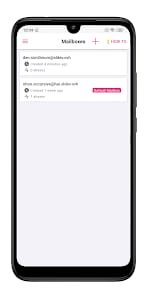
However, the journey isn't entirely without its minor technical detours. While generally lauded for its efficacy, some users report a desire for improved in-app UI/settings and a more streamlined configuration workflow for advanced features. This suggests that while the core functionality is robust, the presentation and ease of access to deeper controls could benefit from refinement. This is a common challenge for powerful tools; balancing comprehensive features with an intuitive user interface. Another point of friction, albeit less common, involves alias acceptance on certain websites. While a rare occurrence, some services employ stringent email validation that might occasionally reject an alias. This is less a flaw of SimpleLogin and more a reflection of a web that struggles to adapt to advanced privacy patterns. Finally, the mention of account termination concerns in user feedback is a red flag that warrants attention. While the specifics are often tied to terms of service violations, any perceived capriciousness in account management can undermine the trust cultivated by an open-source, privacy-focused service. This highlights the delicate balance between maintaining service integrity and ensuring user confidence. Despite these minor quibbles, the overall efficacy and architectural soundness of SimpleLogin position it as an indispensable utility for the privacy-aware.