



Bottom Line: Timeleft carves a distinct niche in the crowded social landscape, leveraging intelligent matching and curated, real-world activities to genuinely forge new friendships, offering a refreshing departure from ephemeral digital interactions.
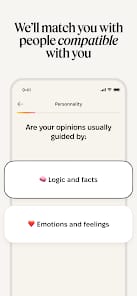
Timeleft enters a digital social arena dominated by algorithms pushing transient connections, offering an antidote to the prevalent digital fatigue and urban anonymity that plagues modern society. Its mechanism for forging connection is deceptively simple: remove all the friction. The journey begins with the personality quiz, a critical component. The depth and accuracy of this assessment determine the quality of the initial match. If superficial, it risks throwing together disparate individuals under the guise of "like-mindedness." However, given the app's reported high user satisfaction, it appears Timeleft's algorithm is sufficiently robust to create compatible groups. The choice of 4-6 individuals for a group is not arbitrary; it's a sweet spot. This size is small enough to encourage genuine interaction and prevent individuals from feeling lost in a crowd, yet large enough to diffuse the pressure that often accompanies one-on-one or very small group interactions with strangers. This group dynamic inherently fosters a safer, less intimidating environment for nascent friendships to bloom.
The true logistical triumph of Timeleft lies in its curated activities and direct management of arrangements. The perennial question of "where do we go?" and "what do we do?" is deftly sidestepped. By pre-booking venues for dinners, arranging coffee meetups, or setting up group runs, Timeleft eliminates a significant barrier to entry for many. This isn't just convenience; it’s an active intervention that transforms abstract desire for connection into concrete plans. The inclusion of women-only options for events like dinners is a pragmatic and sensitive acknowledgment of user safety and comfort, particularly in social contexts where gender dynamics can introduce unwelcome pressures. Furthermore, the in-app icebreakers are a subtle but essential feature. Even with like-minded individuals, initial conversations can be awkward. These prompts provide a gentle nudge, facilitating the flow of dialogue and accelerating the formation of rapport.
The scalability of Timeleft's model across 250 cities and 50+ countries is a logistical marvel that warrants scrutiny. Maintaining consistent quality in "pre-arranged activities" across such a diverse geographic and cultural landscape is a significant operational challenge. Are these activities consistently engaging, or do they risk becoming generic Lowest Common Denominator events in some markets? The overwhelmingly positive reception (a 4.7/5 rating on app stores) suggests that Timeleft is largely succeeding in delivering on its promise, indicating a strong localized operational capability. However, a critical eye must remain on how this quality control is maintained as the platform continues its expansion. The fundamental differentiation from traditional dating apps is not just a branding exercise; it's a structural imperative. Timeleft explicitly sidesteps the transactional, often superficial, nature of platforms geared toward romance, opting instead for the more complex and often more rewarding pursuit of platonic friendship. This focus fills a critical void for individuals struggling to expand their social circles organically outside of work or existing acquaintances. Whether it entirely eradicates any romantic undertones in every interaction is a human variable beyond algorithmic control, but its explicit intent shapes user expectations and group dynamics. Timeleft positions itself not just as an app, but as a proactive agent in combating societal loneliness, building community one curated gathering at a time. It's a bold strategy that, against all odds, appears to be working.