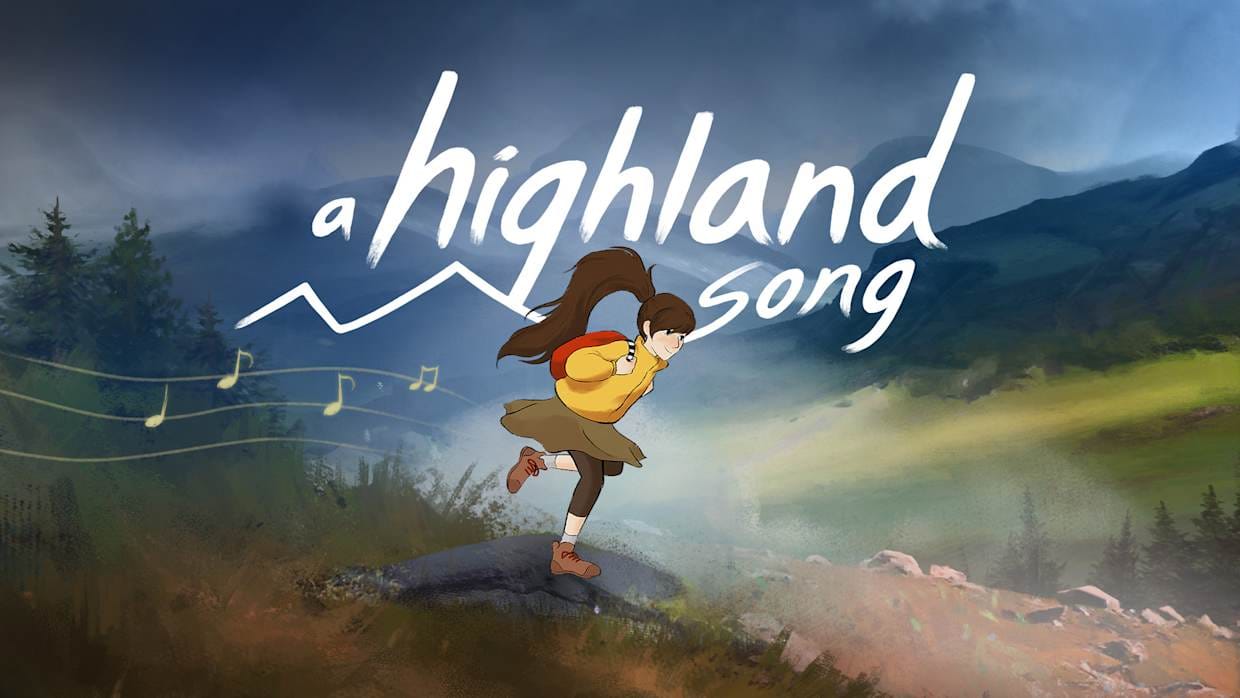
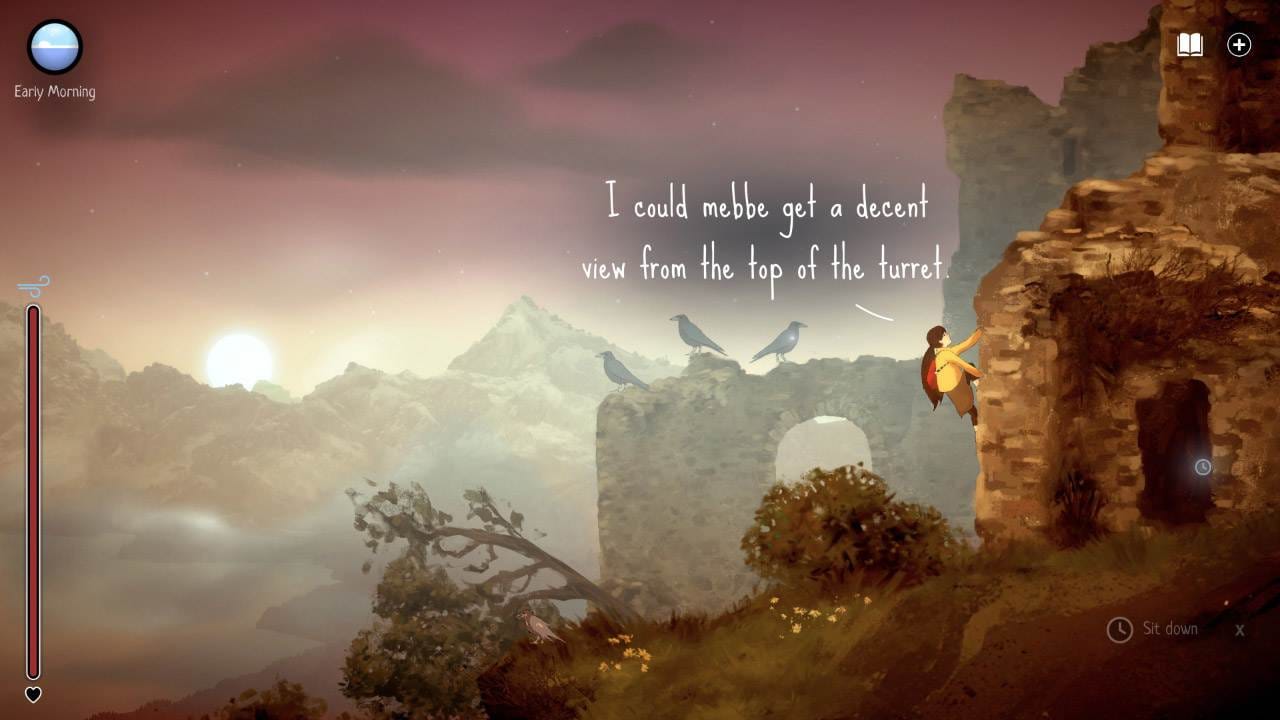
Bottom Line: inkle Ltd. delivers a masterclass in atmospheric platforming and narrative depth, weaving a rich tapestry of Scottish folklore with surprisingly robust exploration that resonates long after Moira's journey concludes.
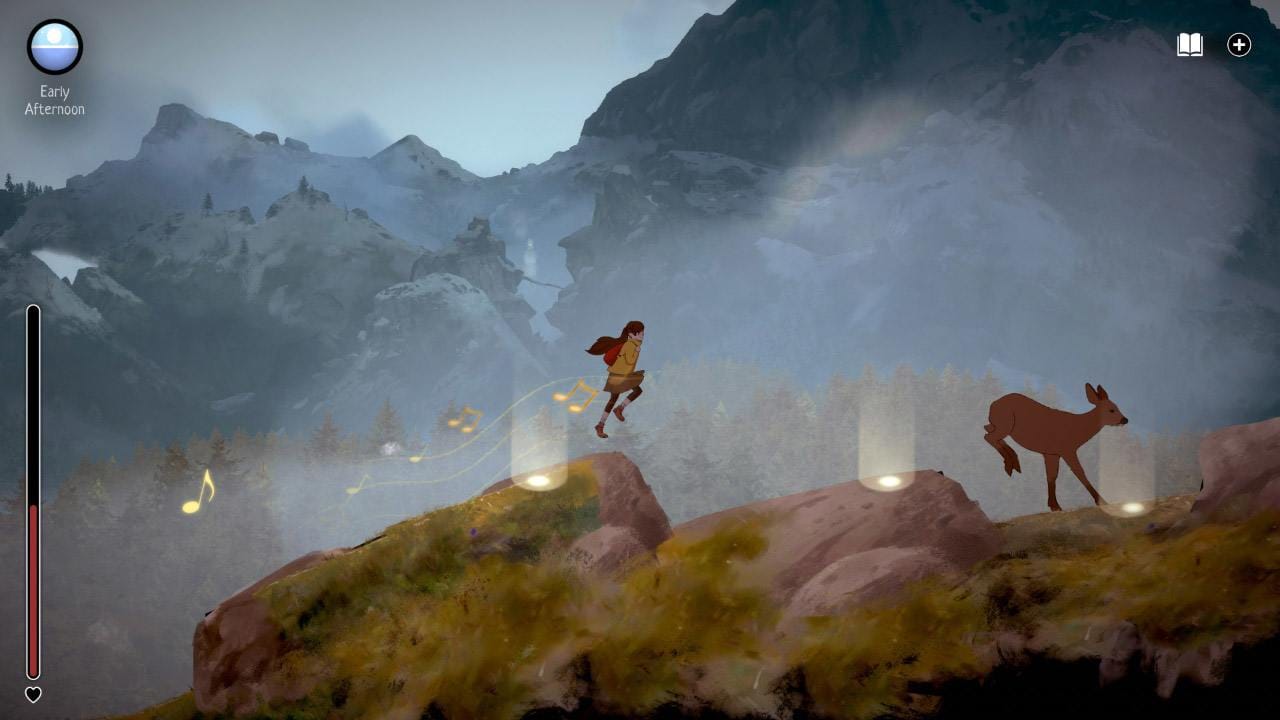
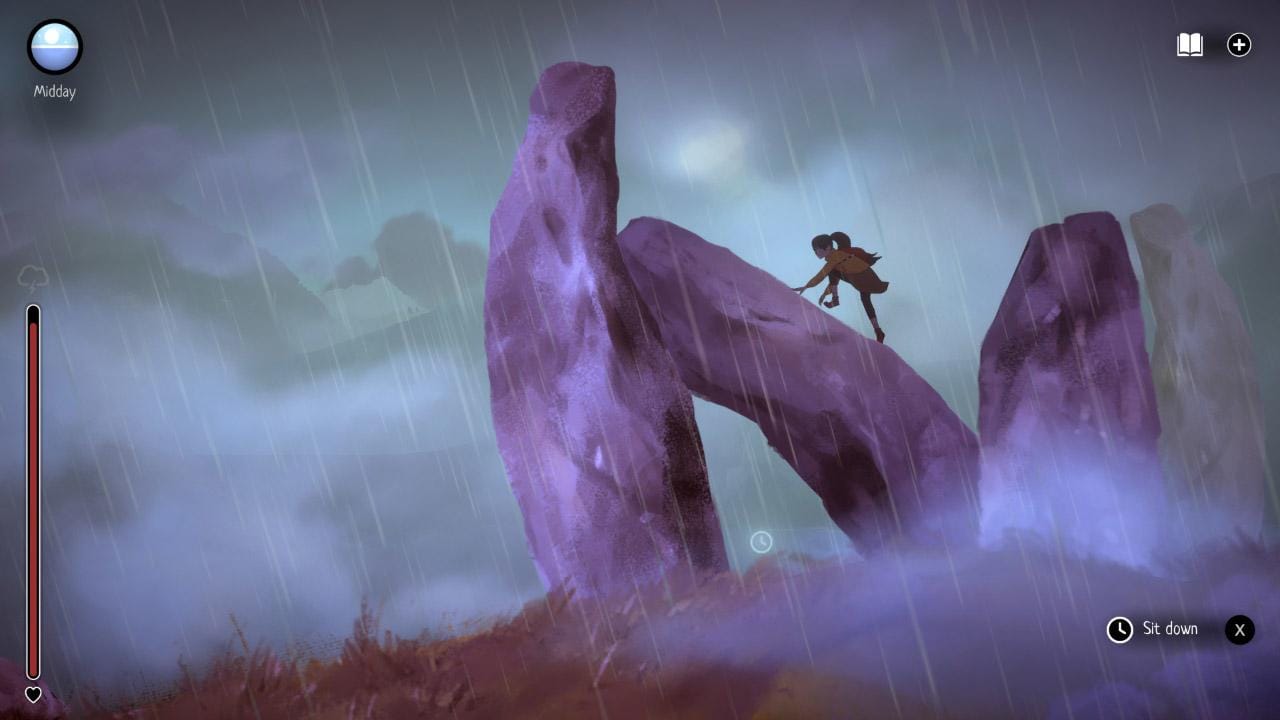
A Highland Song asserts itself not through overt combat or complex RPG mechanics, but through the sheer elegance of its design, particularly its gameplay loop. The core experience is one of fluid, open-ended platforming married to a relentless sense of narrative propulsion. Moira's movement across the Highlands feels intuitive; the environmental puzzles are rarely obtuse, instead guiding the player through clever level design. What inkle has achieved here is a delicate balance: the platforming segments are challenging enough to demand attention, yet never so punishing as to interrupt the contemplative flow of the narrative. The "open-ended" descriptor is not hyperbole; players genuinely choose their ascent, often discovering new story beats or environmental details by simply taking an alternative route. This encourages a level of intrinsic motivation for exploration that many open-world titles often fail to cultivate.
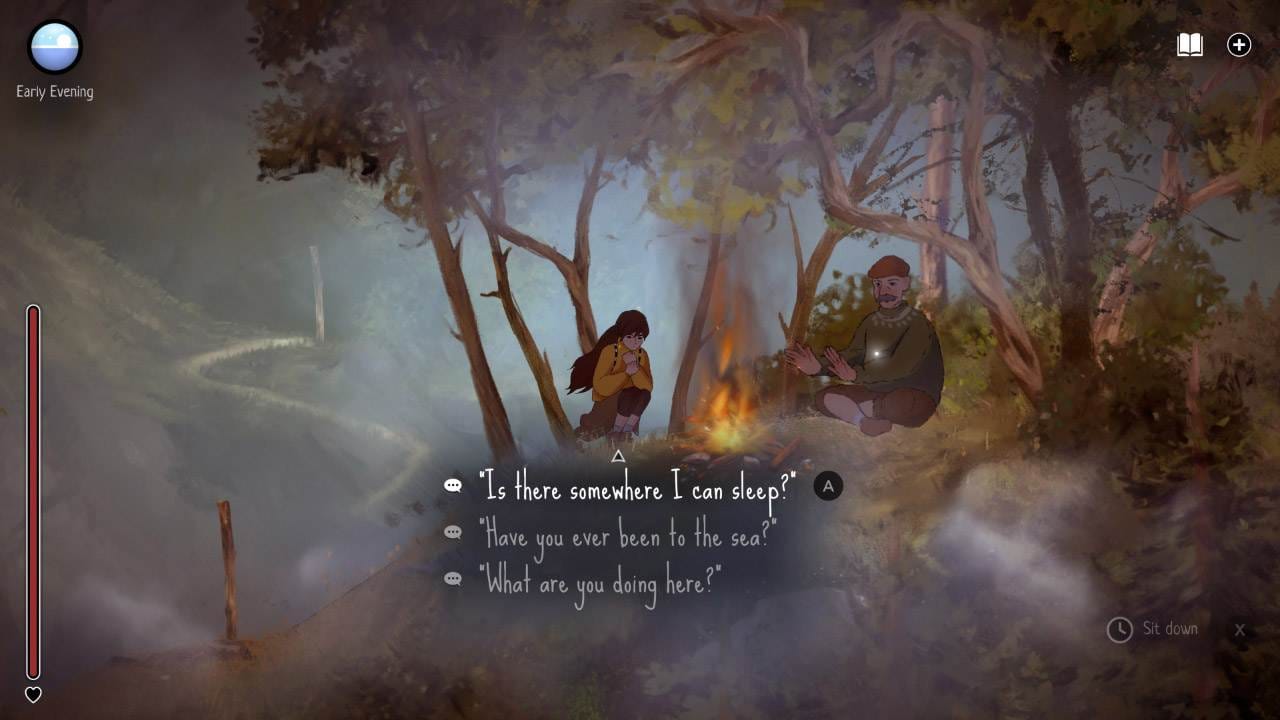
The narrative depth is arguably the game’s strongest asset. Moira's quest to reach her uncle's lighthouse transcends a simple fetch-quest; it’s a journey into her own identity, inextricably linked to the land and the echoes of generations past. The game deftly explores themes of belonging, the weight of heritage, and the allure of the unknown. Dialogue is sharp, economical, and imbued with genuine character. As Moira encounters glimpses of ancient history and fragments of local mythology, these aren't just expository dumps. Instead, they feel like organic discoveries, slowly building a vivid, almost melancholic understanding of the Highlands as a living entity, scarred and shaped by time and legend. This isn’t a story told to the player; it's a story experienced and pieced together through persistent exploration and keen observation. The emotional resonance of Moira's personal discoveries feels earned, not manufactured, a testament to inkle's mature approach to interactive fiction.
Perhaps the most distinctive element is the integrated soundtrack. Far from being mere ambient accompaniment, the music—featuring the likes of Laurence Chapman, TALISK, and Fourth Moon—is a narrative and mechanical force multiplier. Melodies swell with Moira’s ascent, shift with the discovery of a hidden cave, and even dictate the rhythm of certain platforming challenges. These rhythm-based jumping segments, while subtle, serve to deepen the player's connection to the world and its sonic landscape. It’s a bold artistic choice that pays immense dividends, transforming the act of traversal into a multisensory experience. The atmospheric sound design, from the wind whipping across crags to the distant cries of wildlife, further solidifies the player's immersion, making the Highlands feel tangible and alive. The overall user experience flow is remarkably coherent; the moments of intense platforming give way to quiet contemplation, punctuated by narrative revelations and the ever-present, guiding hand of the score. There’s a deliberate pacing at play that respects the player’s intelligence and patience, allowing them to soak in the atmosphere without ever feeling stagnant.