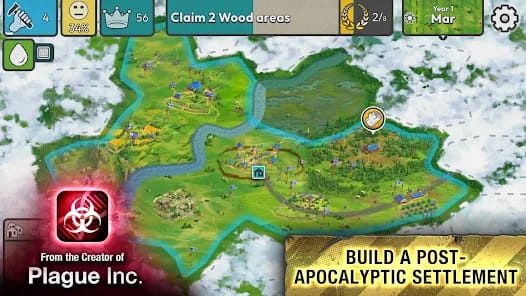

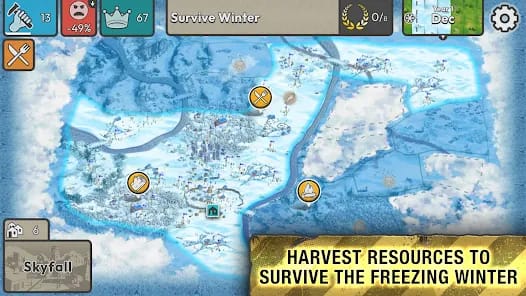
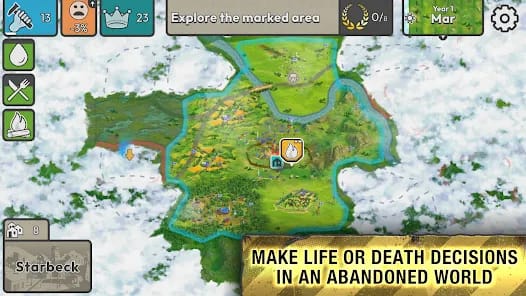
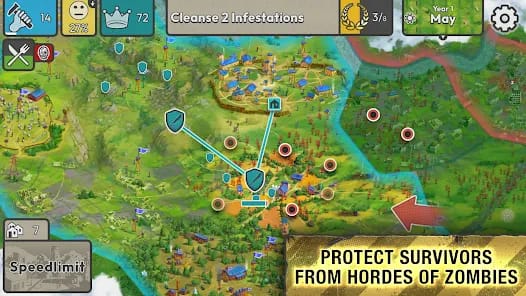
Bottom Line: Ndemic Creations' After Inc. masterfully blends strategic simulation with city-building in a bleak, post-apocalyptic UK, delivering a challenging, persistent experience free from predatory monetization, albeit with a focus that might feel too granular for some.
After Inc. doesn't just ask players to survive; it demands a meticulous, almost surgical, approach to reconstruction. The core gameplay loop is a brutal ballet of expansion, resource acquisition, and defense. Each settlement begins as a fragile ember of hope, requiring constant attention. The initial hours are spent in a frantic scramble for basics: food, water, building materials. This isn't a game where resources are plentiful. Every nail, every scrap of metal, every packet of seeds feels earned, lending significant weight to even the smallest decisions. Building placement is paramount; a misaligned wall or poorly positioned watchtower can mean the difference between thriving and being overrun.
What truly elevates After Inc. is its "mini 4X" sensibility, seamlessly woven into the fabric of a city-builder. Players are not merely dropping buildings onto a grid; they are charting an ambitious course for regional dominance against an unrelenting, unintelligent, yet devastatingly effective foe. The persistent campaign is a standout, transforming what could have been a series of isolated scenarios into a cohesive, evolving world. Settlements aren't disposable; they are investments, and their fates intertwine. Losing one outpost can have cascading effects on resource chains and morale across your entire burgeoning network, adding a layer of strategic depth often absent in the genre. This long-term planning, the contemplation of ramifications several in-game weeks down the line, is where After Inc. truly sinks its hooks into the player.
The ultra-realistic zombie behavior modeling is not marketing hyperbole; it contributes significantly to the game's oppressive atmosphere and strategic challenge. These aren't mindless shamblers; they react to noise, light, and proximity with unsettling effectiveness. A carelessly placed generator, an uncontained firefight, or even the cries of a desperate survivor can draw a swarm, turning a peaceful scavenging run into a desperate fight for survival. This forces players to adopt a tactical mindset, emphasizing stealth and resourcefulness over brute force, especially in the early game. Defense isn't about building bigger walls; it's about creating chokepoints, baiting hordes, and utilizing the environment to your advantage. The decision-driven narrative algorithms further immerse the player, ensuring that the human cost of survival is never far from mind. Choices about rationing, medical research, or how to deal with desperate refugees have tangible, often morally ambiguous, consequences that echo through the campaign. It’s less about binary good/evil and more about shades of grey in a world starved of color. The impact of these choices is felt not just in a resource counter, but in the morale of your survivors, the technology available, and the very culture of your reborn society.
The character leveling and tech tree provide a vital sense of progression in an otherwise bleak landscape. Investing in a resourceful scavenger leader might unlock new foraging techniques, while a charismatic one could improve diplomatic relations with other enclaves (if they exist). The research of new technologies isn't just about unlocking better weaponry; it’s about societal evolution – from basic agriculture to advanced energy solutions. This progression feels organic and earned, a small flicker of hope in a world shrouded in despair. However, the depth comes at a cost: After Inc. can be demanding. The learning curve is steep, and missteps are punished severely. Newcomers might find the initial onboarding friction considerable, as the game offers little hand-holding, expecting players to learn through trial and error—often catastrophic error.