


Bottom Line: Frictional Games' Amnesia: The Dark Descent is not merely a video game; it is a masterclass in psychological horror, meticulously crafted to dismantle player agency and redefine a genre through sheer, unadulterated dread.
The enduring impact of Amnesia: The Dark Descent stems from its profound understanding of psychological terror, an understanding it weaponizes against the player with surgical precision. At its core, the game's brilliance lies in its deliberate subversion of established genre tropes, particularly the omnipresent "sanity mechanic." This isn't just a gimmick; it’s an ingenious design choice that elevates fear from external threat to internal struggle. By tethering Daniel's mental stability to environmental conditions—the suffocating darkness, the grotesque visions, the very presence of unseen horrors—Frictional Games introduces a constant, gnawing anxiety. Players aren't merely evading monsters; they're fighting a losing battle against their own mind, where every shadow holds a potential threat, and every prolonged moment in the dark chips away at their reality. This creates an immersive feedback loop: the player's fear mirrors Daniel's, blurring the lines between game and experience. The visual distortions, the auditory hallucinations—they aren't just effects; they are consequences, direct results of failing to manage a resource far more precious than health: sanity.
The decision to completely remove combat options is perhaps Amnesia's most radical, and most successful, innovation. In an industry obsessed with empowerment fantasies, Daniel is utterly powerless. This vulnerability is the cornerstone of the game's terror. Players are forced into a primal state of flight or desperate concealment. Every creak of a floorboard, every distant shriek, becomes a catalyst for genuine panic. The lack of combat doesn't simplify the gameplay; it intensifies it, transforming exploration into a high-stakes gamble. Puzzles, often environmental or inventory-based, are interwoven with this pervasive sense of danger. Opening a locked door isn't just a progression step; it's an agonizing decision, a moment where the player must weigh the risk of exposure against the necessity of advancement. This meticulous pacing ensures that moments of respite are fleeting, only serving to highlight the omnipresent threat.
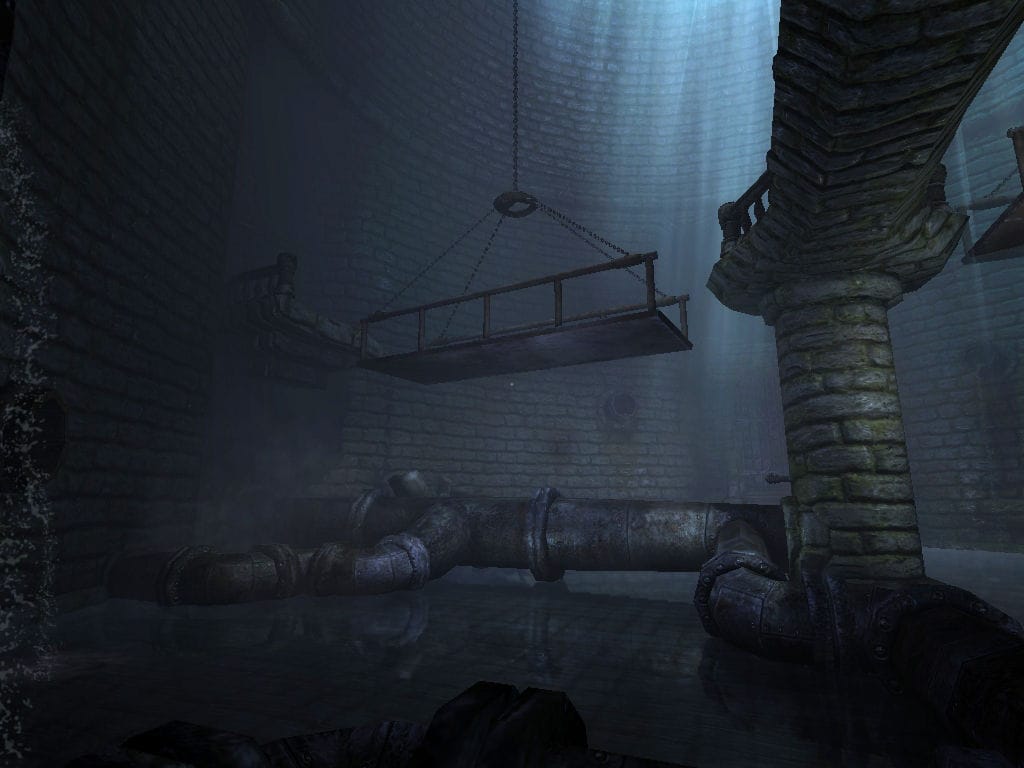
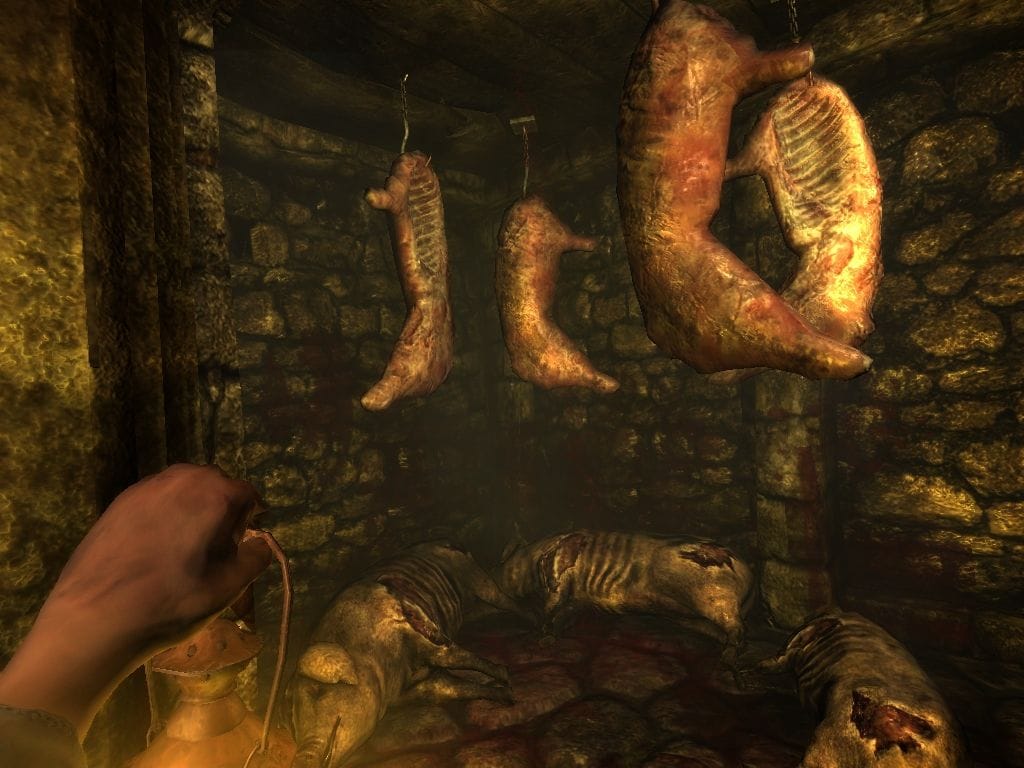
Furthermore, Amnesia masterfully employs subtle, often unspoken, storytelling to build its horrifying narrative. The castle itself becomes a character, its decaying grandeur whispering tales of forgotten rituals and unspeakable experiments. Scattered diary entries, cryptic notes, and Daniel's own fractured memories slowly coalesce, revealing a backstory that is as disturbing as the immediate threats. The game avoids overt gore, instead relying on implied horrors and the power of the player's imagination, a far more potent instrument of fear. This nuanced approach to narrative delivery, combined with the game's core mechanics, creates an experience that isn't just scary for a few hours but leaves a lasting psychological imprint. It isn't a game that simply wants to make you jump; it wants to unravel you, piece by terrifying piece. The overwhelmingly positive reception on platforms like Steam, even years after its release, underscores its enduring quality and impact, hailed by many as a benchmark for psychological horror.