
Bottom Line: Before I Forget is less a game and more a critical piece of interactive art. It's a masterfully contained, emotionally devastating exploration of dementia that trades mechanical complexity for a narrative gut-punch that will linger long after the credits roll.
Before I Forget commits fully to its premise, for better and for worse. The core gameplay loop is deceptively simple: you enter a room, you look for items that shimmer with interactability, you click, and you are rewarded with a snippet of voiceover from Sunita or her husband. This is the entire mechanical framework. There are no puzzles to solve, no enemies to fight, no branching paths to navigate. The game's brevity—clocking in at just around an hour—is its greatest strength and the source of its most valid critiques.
The Power of Brevity
The one-hour runtime is a deliberate design choice that serves the narrative perfectly. It mirrors the fleeting nature of memory itself. The experience is concentrated, potent, and respects the player's time while maximizing emotional impact. It doesn't overstay its welcome or dilute its message with narrative filler. Each discovered memory feels significant because the game gives you so few of them. The story of Sunita's life as a brilliant cosmologist, her career, her love, and her diagnosis unfolds with an aching poignancy. By the time you reach the game's conclusion, you haven't just learned about Sunita; you've inhabited a sliver of her existence.
A Fragile Interface
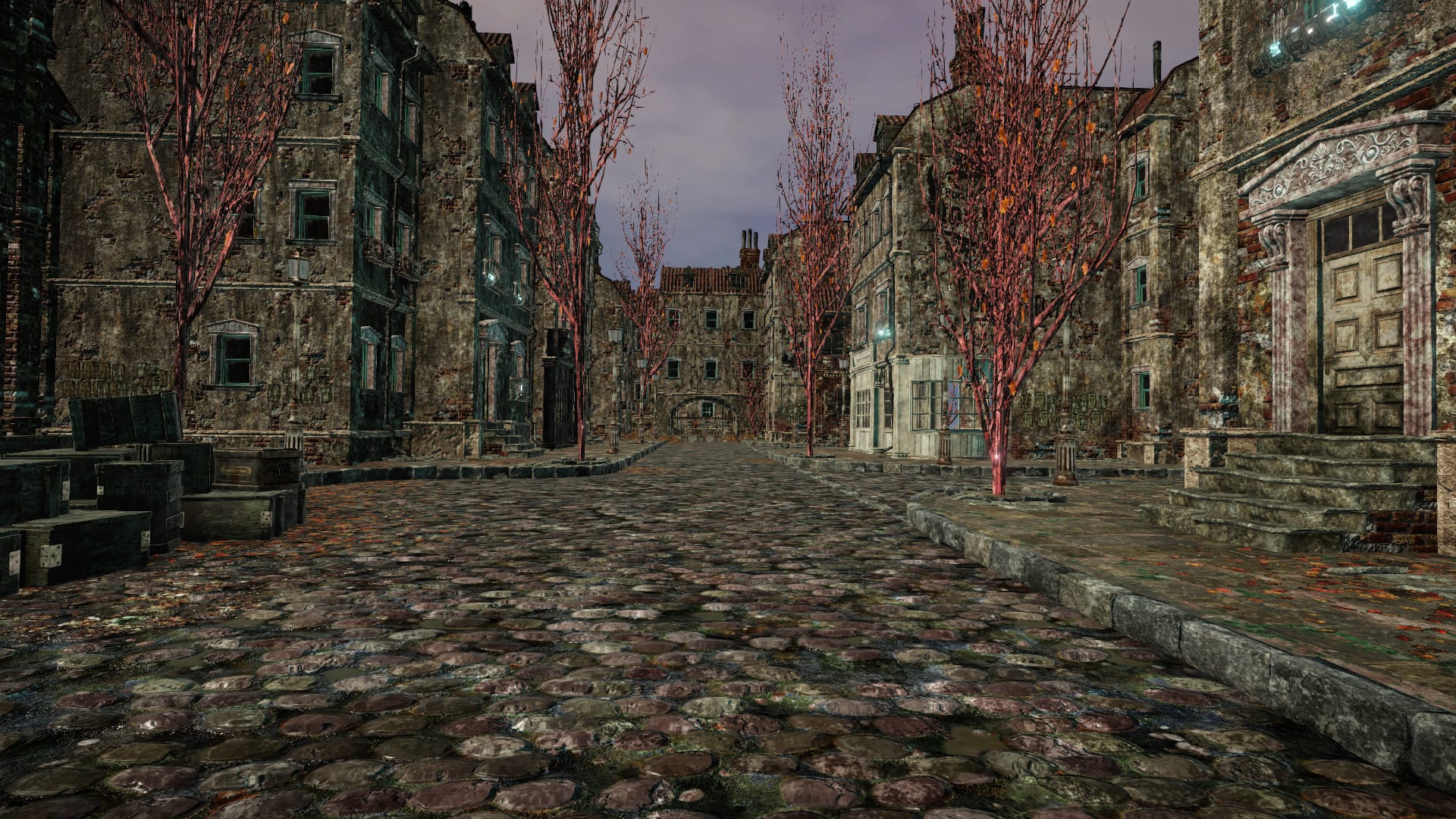
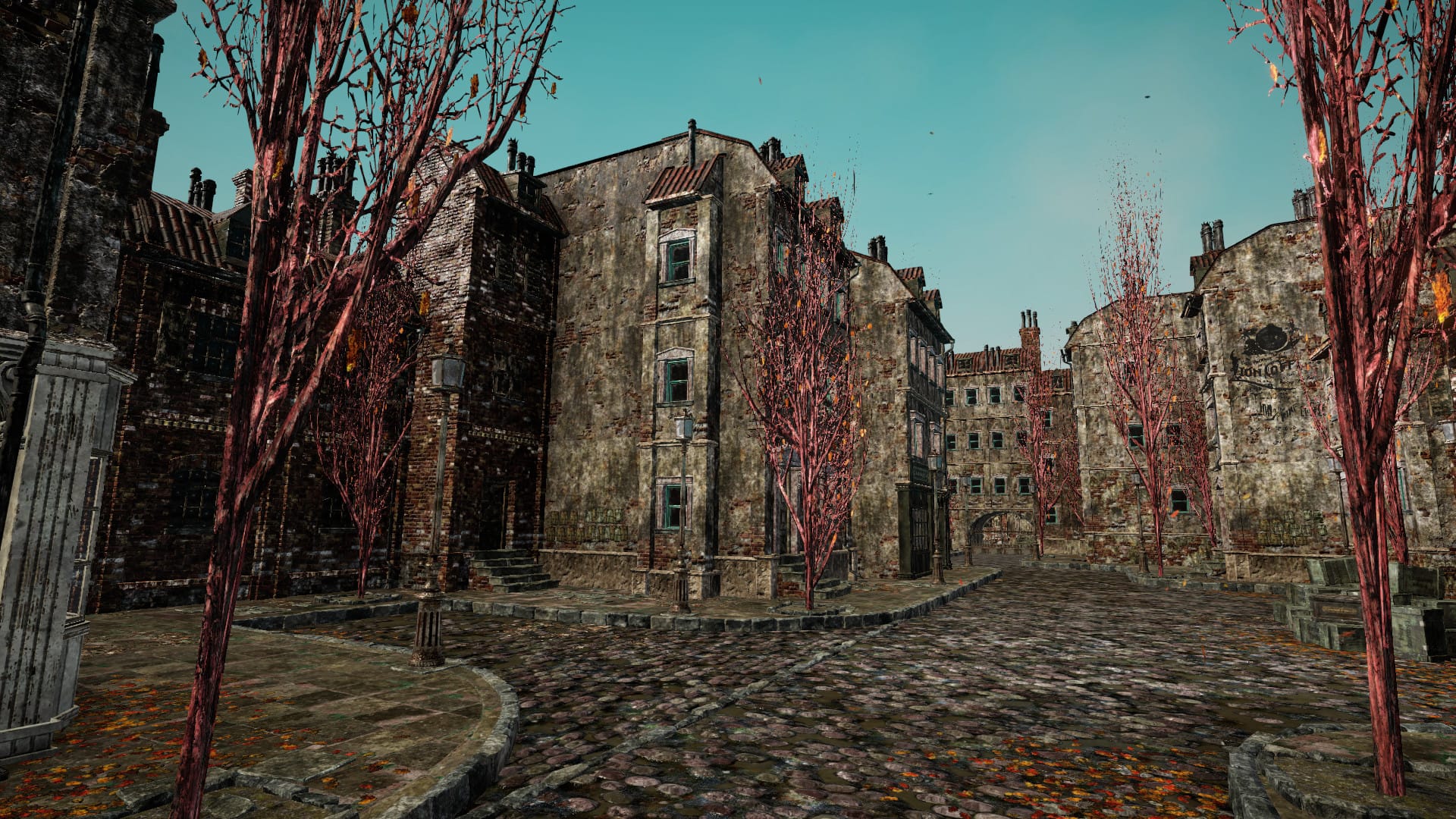
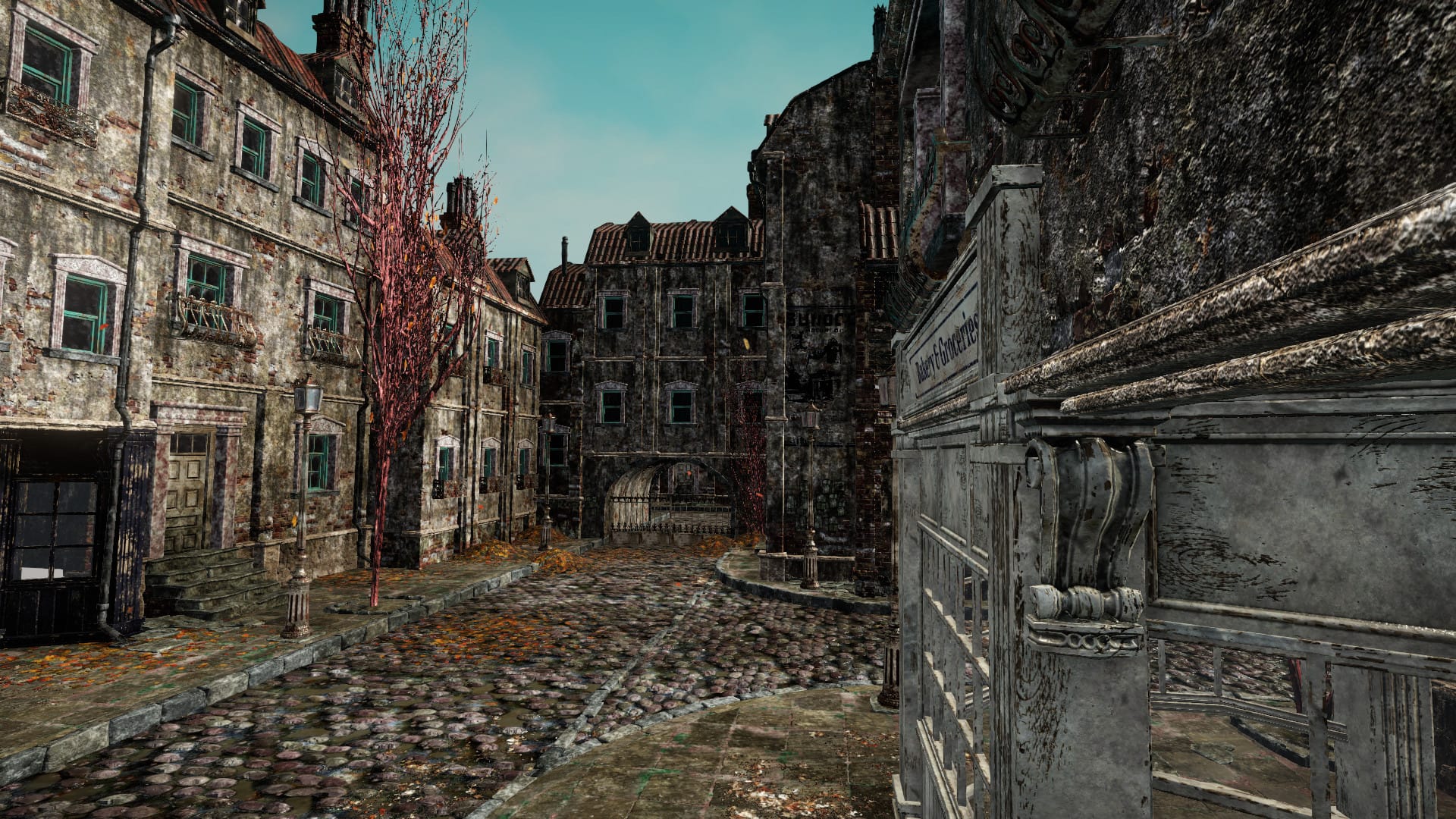
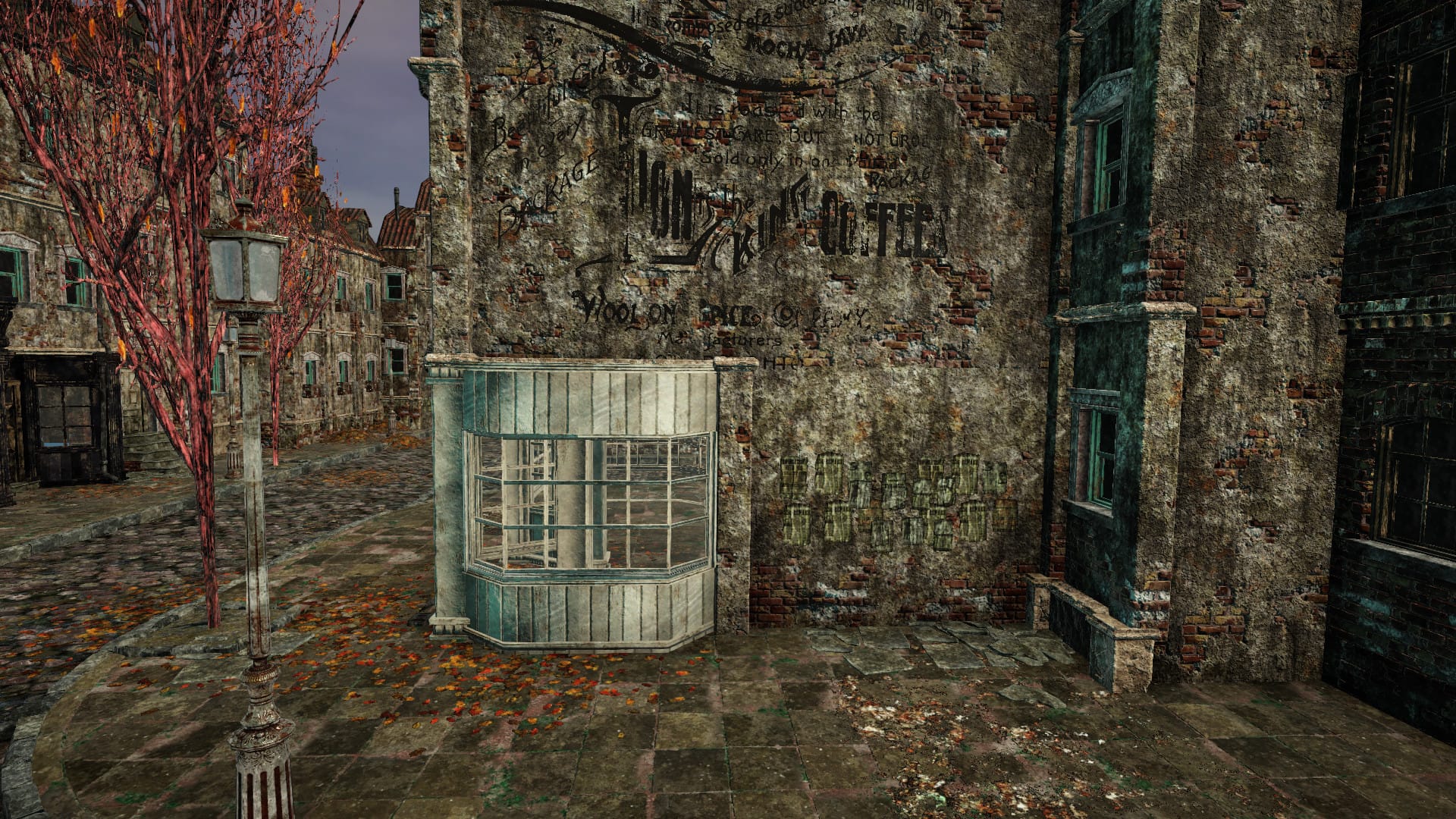
The minimalism extends to the user experience. There is very little separating the player from Sunita's perspective. The controls are standard first-person fare (mouse and keyboard on PC), but the genius lies in how the environment guides you. A splash of color in a monochrome world is a more effective waypoint than any glowing arrow. However, the game's ultimate revelation, which re-contextualizes the entire experience, has been a point of contention. Some may find the final twist to be a powerful, heart-wrenching conclusion that reinforces the tragedy of Sunita's condition. Others might argue it feels like a narrative sleight-of-hand that borders on being emotionally manipulative. It's a bold choice, and its success will depend entirely on the individual player's willingness to follow 3-Fold Games to its somber, inevitable conclusion. This is not a story with a happy ending, and the game is refreshingly unapologetic about it. It forces you to confront the reality of the disease, and that is a deeply uncomfortable, deeply important act.