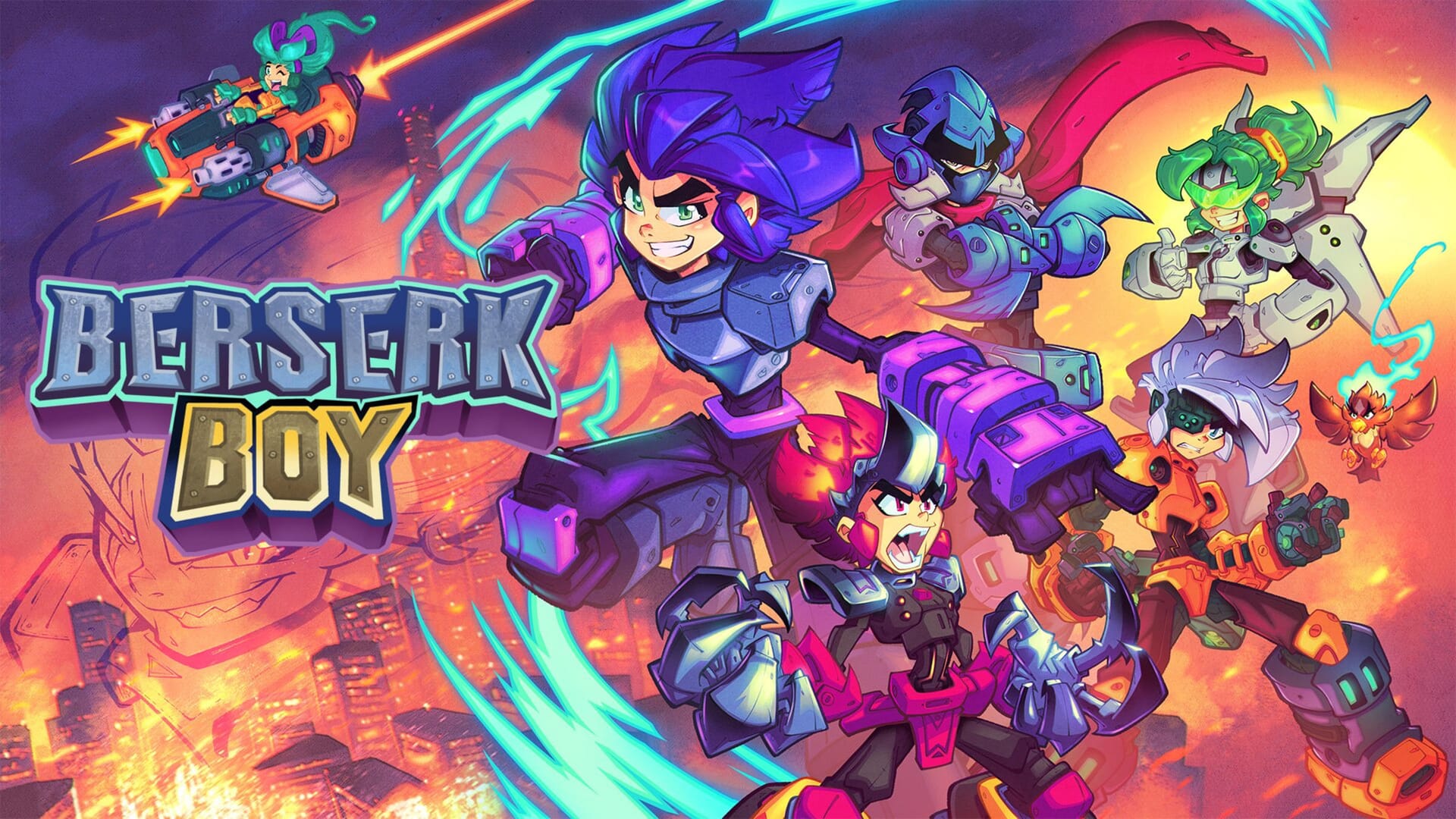
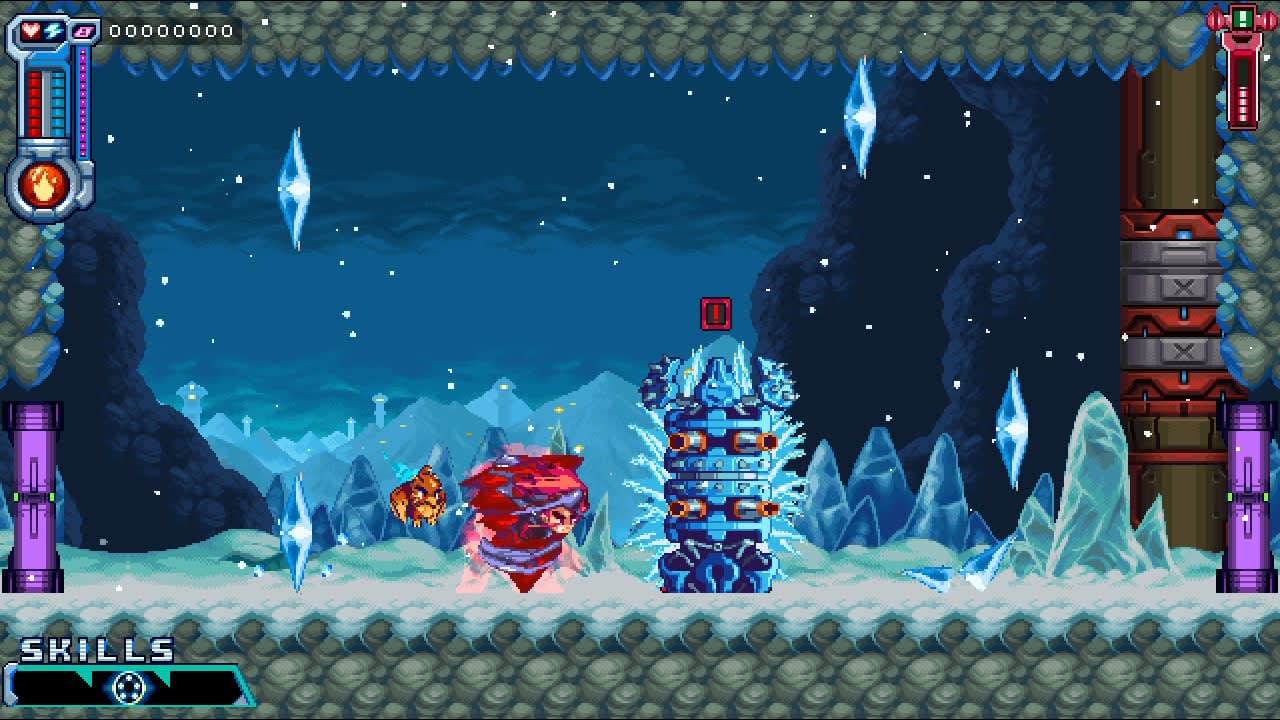
Bottom Line: Berserk Boy delivers a compelling, high-octane 2D platforming experience that deftly marries classic sensibilities with contemporary polish, albeit with a few missteps in its ambitious elemental dance.
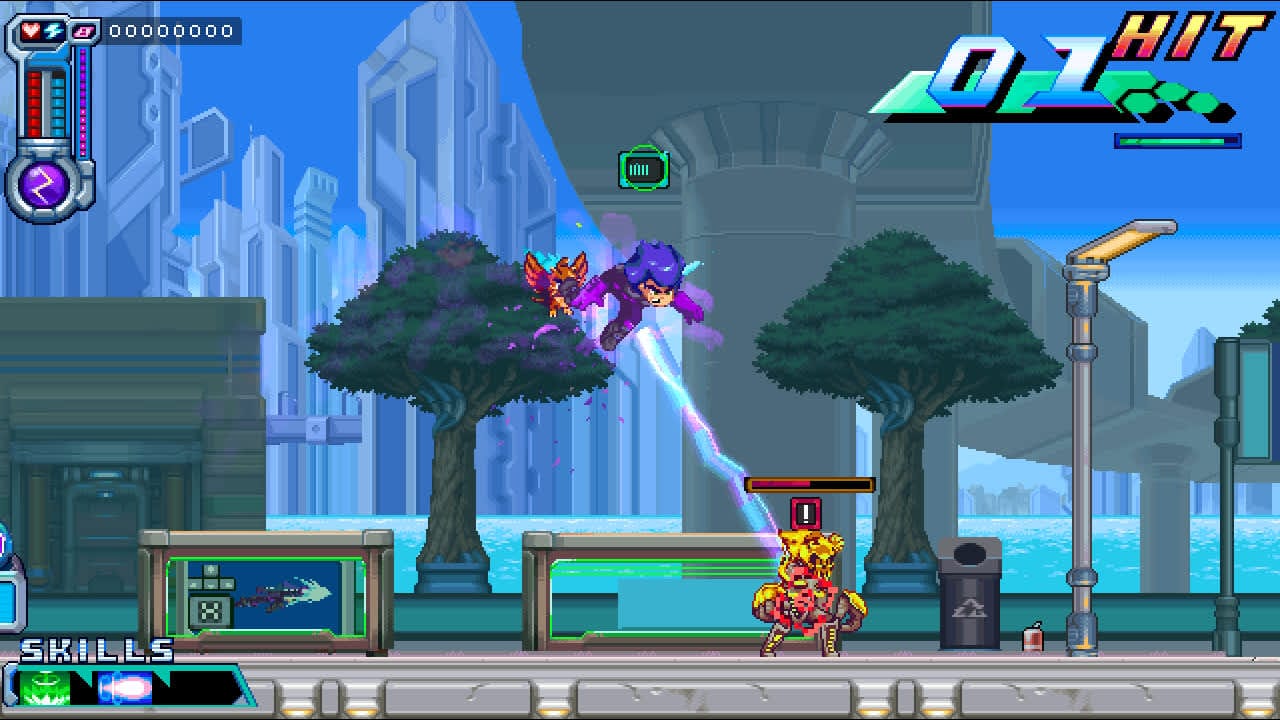
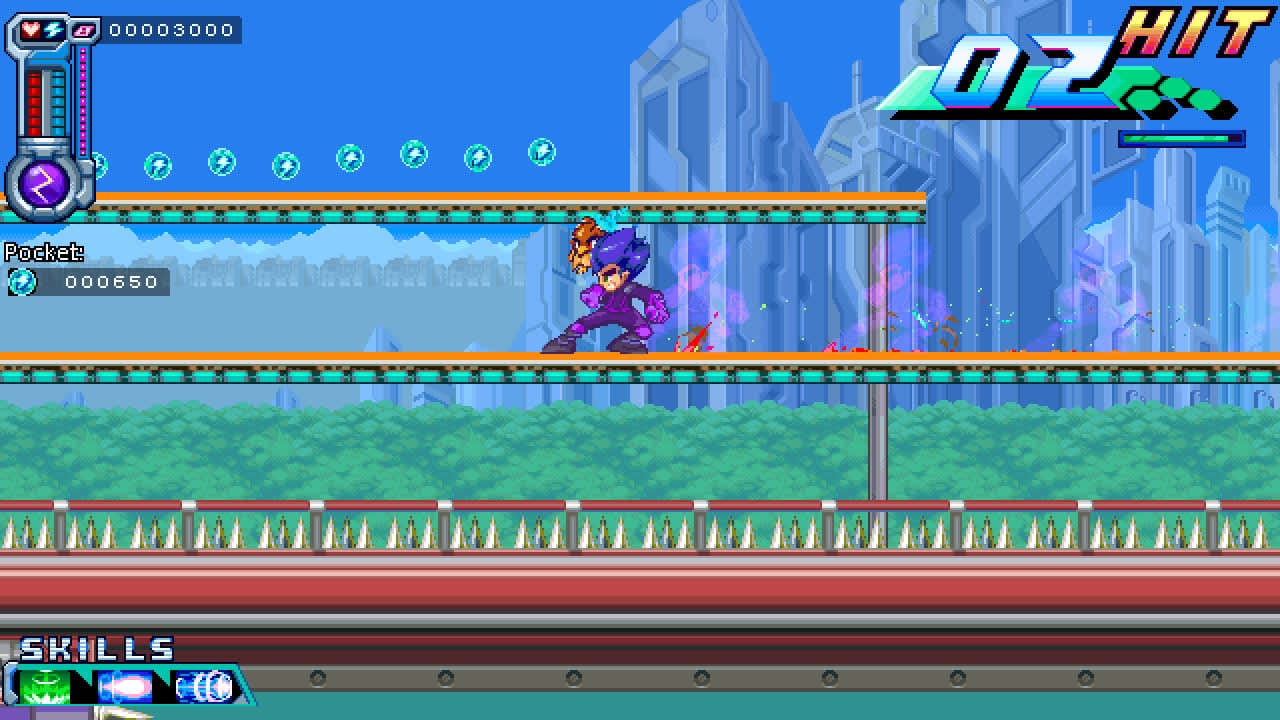
Berserk Boy understands its lineage. Comparisons to the Mega Man X series and Sonic the Hedgehog are not merely superficial; they’re an acknowledgment of the design philosophy underpinning this experience. The game is, at its heart, about momentum. It’s about chaining together jumps, dashes, and elemental abilities into a ballet of destruction and traversal. The initial minutes feel chaotic, a delightful sensory overload as you grapple with the speed and the sheer number of abilities at your disposal. However, BerserkBoy Games LTD has meticulously crafted a learning curve that, while steep, rarely feels unfair. Each elemental form introduces not just a new attack, but a paradigm shift in how you interact with the environment. The Lightning form allows for quick bursts across chasms, while Fire melts specific obstacles. Ice, predictably, offers freezing capabilities, and Air introduces controlled glides. Earth provides a defensive, weighty presence.
This multi-faceted approach to character abilities prevents the gameplay loop from stagnating. Just as one might settle into a rhythm with a particular form, the level design throws an environmental puzzle or enemy type that necessitates a rapid, almost instinctual, switch. This constant demand for adaptability is where Berserk Boy truly shines. The combat, while straightforward at first, grows in complexity as enemy patterns diversify and boss encounters demand intricate dance routines of dodging, attacking, and tactical form-swapping. The feeling of mastering a particularly challenging section, flawlessly transitioning between forms to dispatch a wave of enemies and then zip across a series of platforms, is genuinely exhilarating. It’s a rush that few modern platformers manage to capture with such potency.
However, the ambition of five elemental forms isn't without its friction points. While the system is robust, the sheer number of options can occasionally lead to moments of frantic fumbling, especially in high-pressure situations where a mis-timed transformation can mean instant death. The game expects a significant investment from the player to internalize each form's nuances, and while rewarding, it’s a demanding ask. The Metroidvania elements – hidden collectibles and branching paths – encourage exploration, but the hyper-speed nature of the core gameplay sometimes works against this. It's easy to blow past secrets when you're moving at mach speed, requiring a deliberate slowdown that feels slightly at odds with the game's primary directive. Despite these minor criticisms, the game's flow, once internalized, becomes a captivating test of skill and memory. The level design is intricate, often requiring multiple passes to uncover every secret and optimize routes, ensuring a substantial replay value for completionists and speedrunners alike.