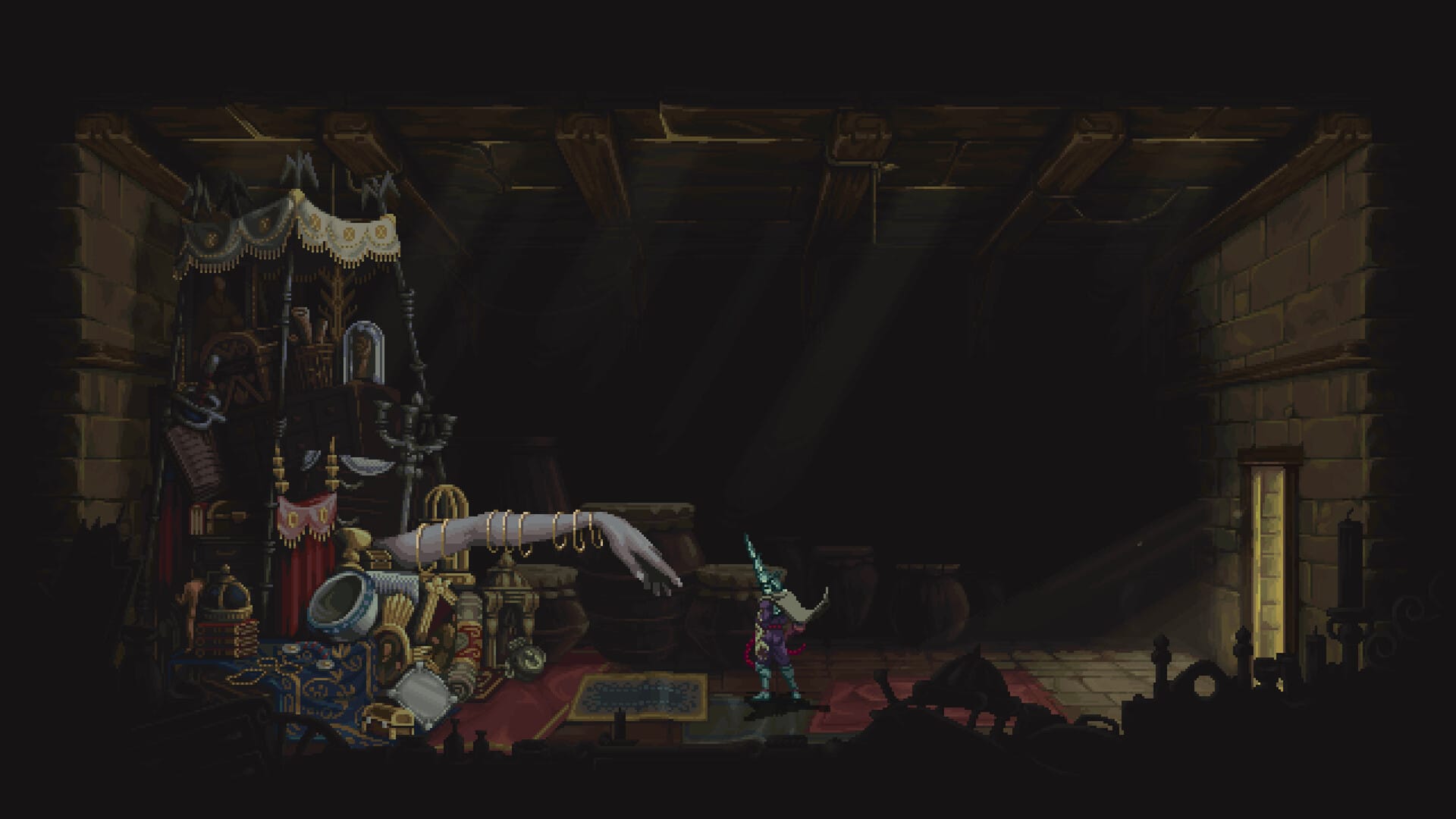




Bottom Line: The Penitent One’s latest pilgrimage is a masterclass in gothic Metroidvania design, refining its predecessor's formula with smoother combat and exceptional art direction, even if its narrative ambition occasionally stumbles.
Blasphemous 2 is, at its core, a testament to thoughtful iteration. Where its predecessor occasionally felt clunky, almost deliberately archaic in its mechanics, this sequel glides with a newfound grace. The immediate sensation is one of fluid movement and responsive control, a critical upgrade for a game so reliant on precise platforming and combat dodges. The Penitent One moves with a nimbleness that belies his weighty penitence, making navigation less an exercise in frustration and more a dance through damnation.
Combat Redefined
The most significant overhaul manifests in the combat system. The introduction of multiple distinct weapon types, each with its own rhythm and utility, transforms encounters. No longer confined to a single blade, players can now strategically swap between a swift rapier, a heavy flail, and a versatile sword, often mid-combo, to exploit enemy weaknesses or manage crowd control. This tactical layer injects a profound depth into engagements, demanding more than rote memorization of attack patterns. Mastering these weapon synergies becomes an engaging loop of experimentation and execution. Coupled with an expanded suite of customizable skills and relics, the combat feels less like a grind and more like a ballet of brutality, a genuine improvement that elevates the minute-to-minute gameplay.
Exploration and Progression
The Metroidvania structure, a hallmark of the series, is meticulously designed here. The world of Blasphemous 2 is a sprawling, interconnected network of decaying cathedrals, blighted forests, and subterranean crypts. Each new ability or weapon unlock subtly reconfigures the landscape, opening previously inaccessible paths and rewarding diligent exploration. This sense of gradual empowerment and environmental mastery is deeply satisfying. However, while the world design is intricate, the ability unlocks themselves occasionally suffer from a lack of inventive flair. Many serve primarily as keys to progression rather than introducing truly novel mechanics, leading to moments where the discovery feels more functional than exhilarating.
Narrative and Lore
The narrative, a dense tapestry of religious allegory and grim despair, remains a contentious point for some. While the atmosphere is undeniably thick with lore, presented through cryptic item descriptions and unsettling NPC dialogues, its coherence can be elusive. The Game Kitchen leans heavily into environmental storytelling, and while this works wonders for mood, some players might find the overarching plot less impactful or more convoluted than desired. It’s a game that prefers to whisper its secrets rather than shout them, demanding player engagement to piece together its fragmented mythology. This approach is consistent with the series' identity, yet it remains a divisive element.