Bottom Line: Coatsink's "Cloud Gardens" presents a refreshingly unique take on the puzzle genre, blending strategic growth with serene environmental meditation, though its gentle pace and limited mechanical depth may not satisfy every horticulturalist.
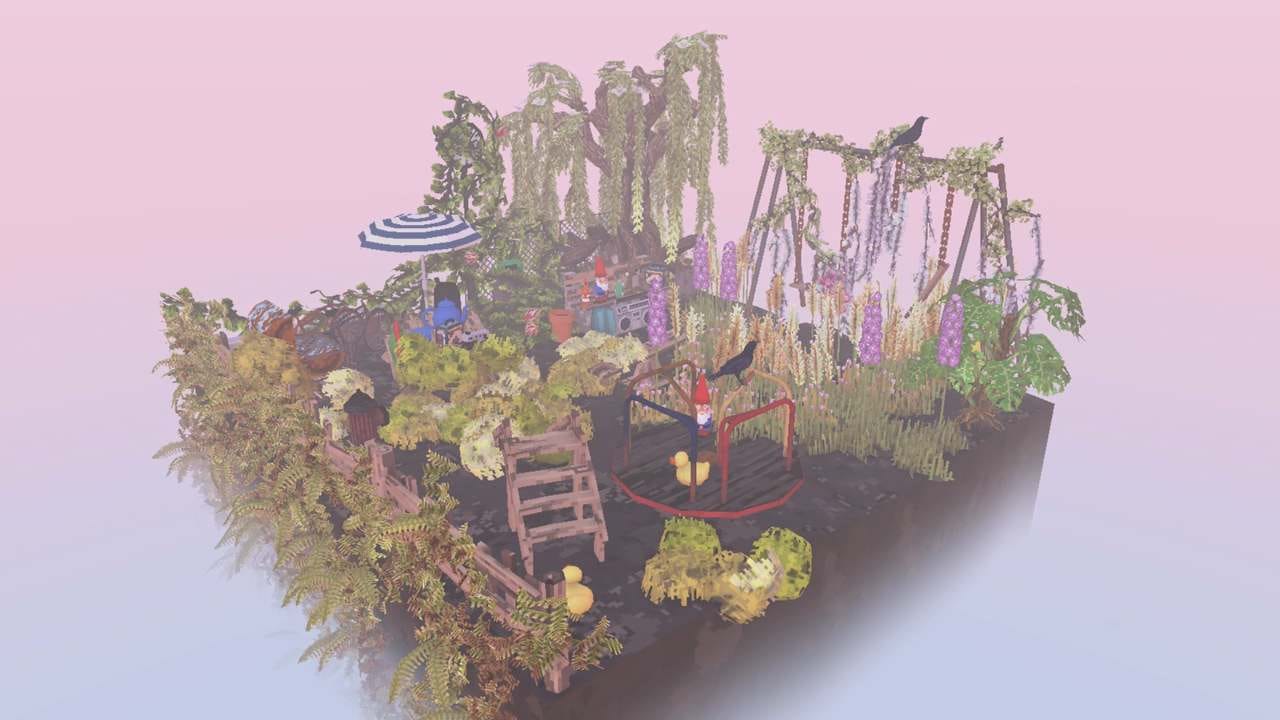
"Cloud Gardens" operates on a gameplay loop that is simultaneously satisfying and subtly demanding. The initial moments are often experimental, as players learn the nuanced interaction between seeds, growth, and the detritus of civilization. Each seed type possesses distinct growth requirements and propagation patterns, transforming what appears to be a simple gardening simulation into a strategic exercise. Placing a car tire near a burgeoning vine can accelerate its spread, creating a cascade of growth that can quickly turn a barren industrial park into a miniature jungle. The campaign mode introduces specific objectives—cover 100% of the abandoned bus, for instance—which elevate the experience beyond mere aesthetic arrangement. These objectives necessitate a deeper understanding of the game's growth mechanics and environmental synergies.
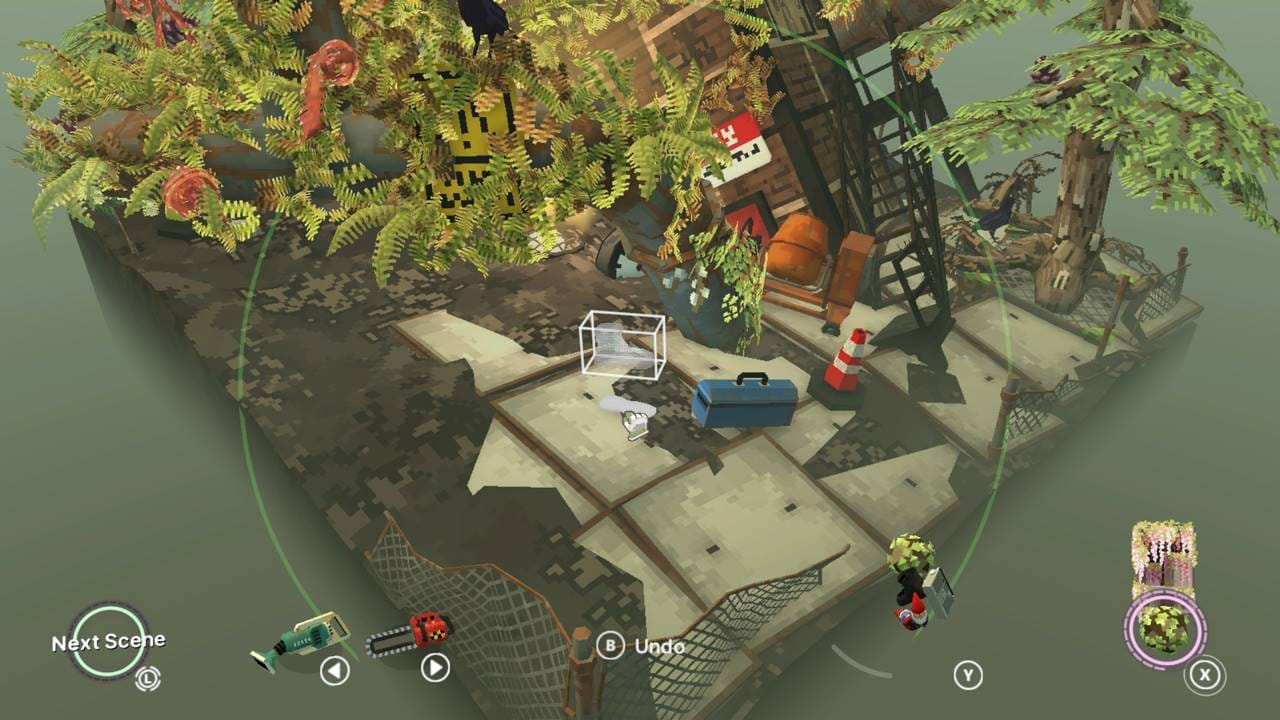
The user experience is largely frictionless. The interface, sparse yet intuitive, quickly becomes second nature. There's a deliberate lack of intrusive UI elements, which reinforces the meditative quality. Onboarding is handled elegantly, guiding players through the basic mechanics without overwhelming them with complex tutorials. This approach is critical for a game that prides itself on relaxation; any significant cognitive friction would undermine its core appeal. However, this gentle hand also leads to the game's primary critique: the puzzle aspect, while present, often feels more like a guiding suggestion than a rigorous challenge. The "overwhelmingly positive" reception stems from its ability to provide a consistent sense of accomplishment without demanding perfection.
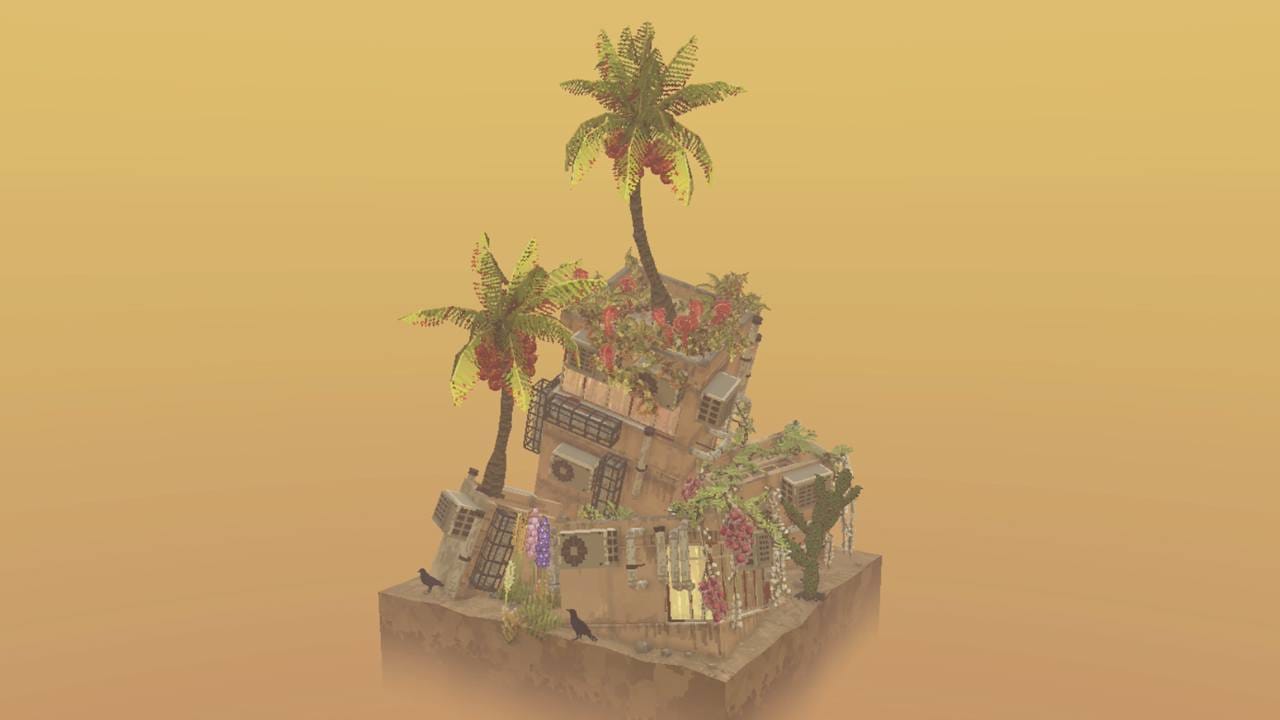
The balance between nature and manufactured structures is not just thematic; it's mechanical. Objects, once covered, contribute to a progression meter, unlocking new seeds and tools. This feedback loop is expertly crafted, ensuring that even in the sandbox mode, where specific objectives are absent, players feel a sense of purpose. Yet, even with generative elements, an occasional monotony can creep in during extended play sessions. While the dioramas change, the fundamental interaction—plant seed, watch grow, cover object—remains consistent. For players seeking profound strategic depth or high-stakes problem-solving, "Cloud Gardens" might eventually feel less like a dense forest and more like a well-tended, albeit repetitive, garden path. The game’s true genius lies in its ability to make this repetition feel less like a chore and more like a comforting ritual.