Bottom Line: Crumble delivers an exhilarating, physics-driven platforming experience with a surprisingly deep grappling mechanic, though its chaotic nature may test the patience of some players.
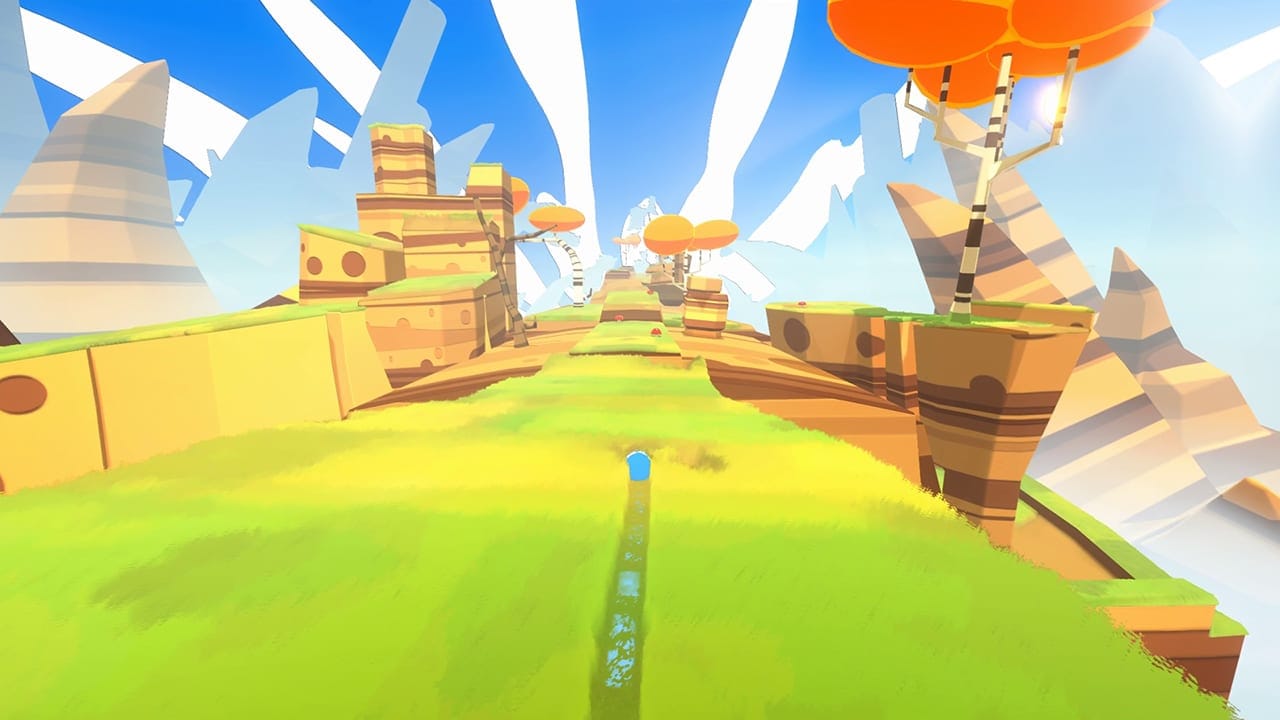
Crumble's central thesis — a physics platformer where the world actively fights back — presents both its greatest strength and its most significant challenge. At its heart is the deceptively simple grappling tongue mechanic. Unlike the predictable arcs of many platformers, Crumble's grappling feels organic, almost alive. It's less about pixel-perfect jumps and more about understanding kinetic energy, momentum, and the elasticity of a digital appendage. This requires a shift in player mindset. Early stages serve as an effective onboarding into this unique movement paradigm, gradually introducing the nuances of swinging, accelerating, and releasing at just the right moment. The tactile feedback, even through a console controller, conveys a sense of weighty interaction with the environment.
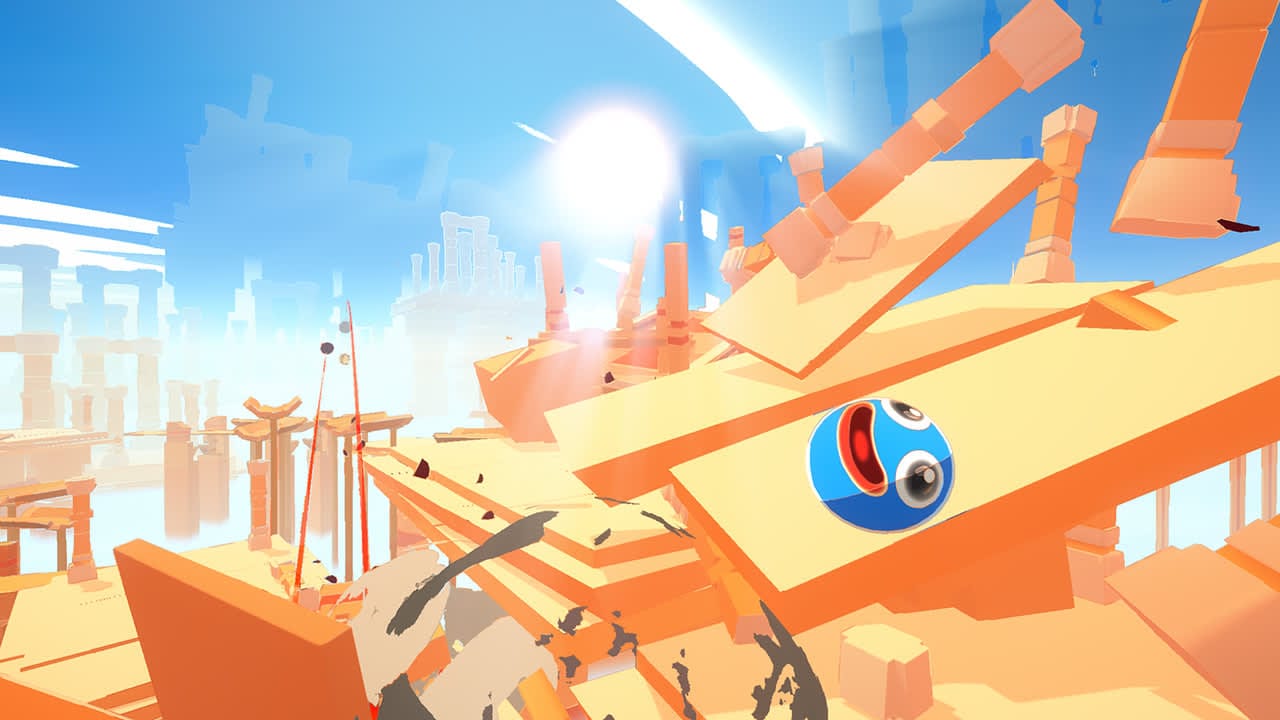
The constant environmental decay is where Crumble distinguishes itself. What initially feels like a gimmick quickly becomes integral to the gameplay loop. Players are not merely traversing static obstacles; they are in a race against time and gravity. A seemingly stable platform might splinter into fragments upon impact, sending the player careening into the void if they linger too long. This perpetual sense of urgency elevates the challenge from simple navigation to a more strategic, improvisational dance. Players must not only plot their trajectory but also anticipate the world's reaction to their presence. This dynamic interaction breeds a form of emergent gameplay that rewards both quick thinking and a willingness to embrace controlled chaos.
The comparison to Spider-Man's web-slinging is apt, yet incomplete. While there's an undeniable joy in the rapid traversal and acrobatic swings, Crumble's protagonist, a rolling sphere, dictates a different kind of precision. The momentum management is paramount; a mistimed release from a grapple can lead to a disastrous fall, whereas a perfectly executed swing can launch the ball across vast expanses with exhilarating speed. This high-velocity movement, coupled with the crumbling terrain, means that every successful run feels like a minor triumph of physics manipulation. The "addicting, high-speed" nature noted in public sentiment isn't hyperbole; it's a direct consequence of this demanding yet rewarding control scheme.
Campaign Mode offers a structured progression, introducing new environmental hazards and complex platforming puzzles. While the core mechanics remain consistent, the level design cleverly iterates on its themes, preventing the experience from becoming stale. However, the inherent randomness introduced by the physics engine can occasionally lead to frustrating, seemingly unfair deaths. This isn't a flaw in design but a consequence of its ambitious physics model. Players accustomed to perfectly predictable platforming might find this learning curve steep, requiring a degree of patience and resilience.
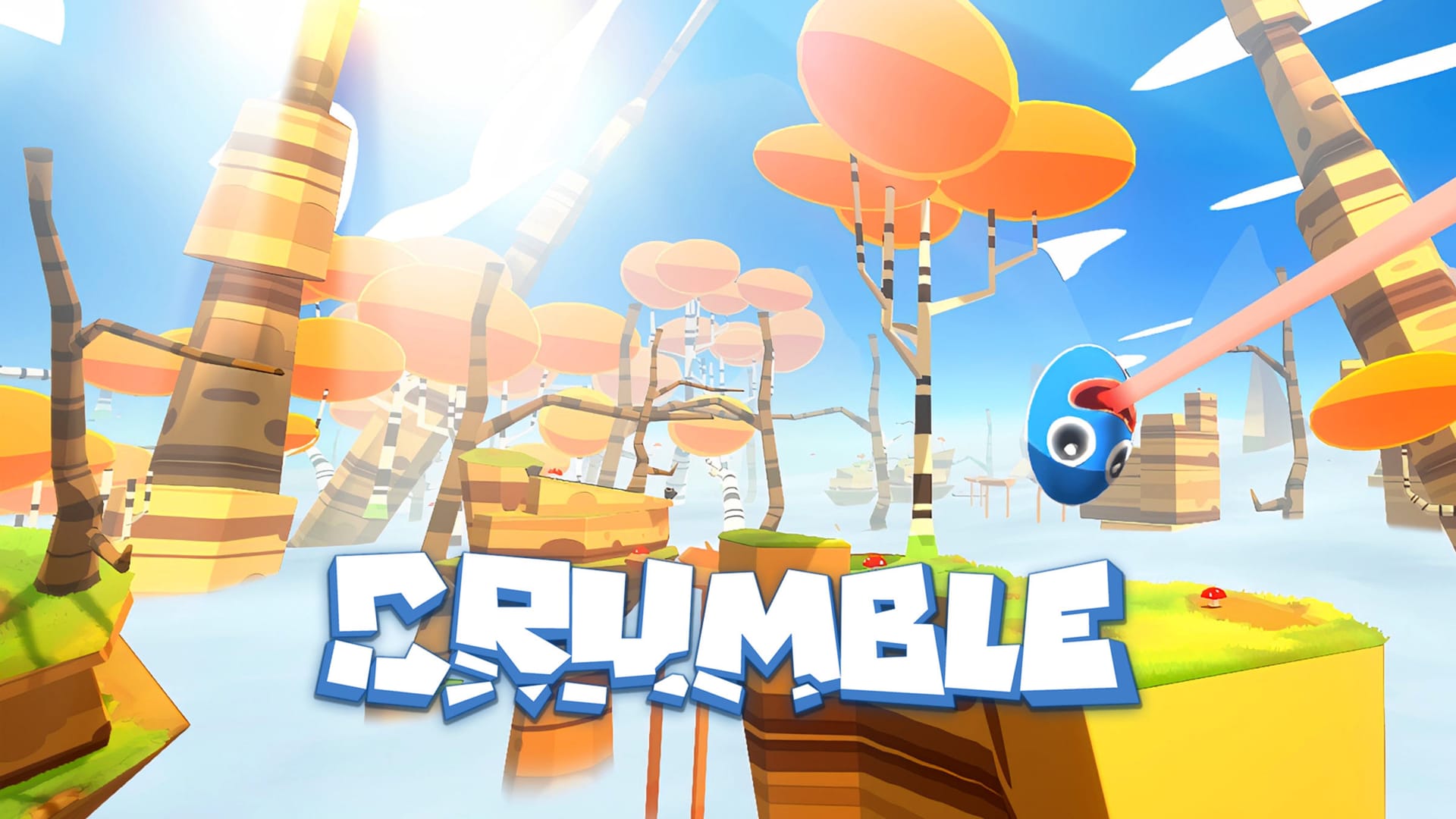
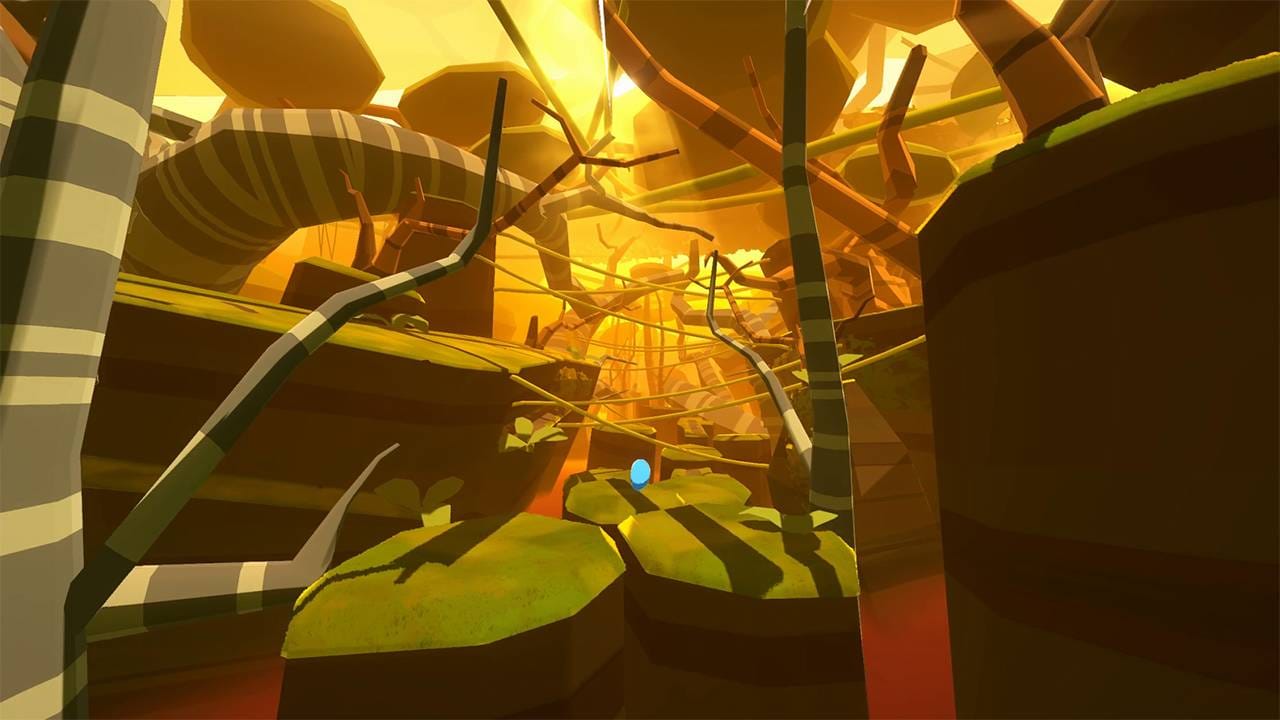
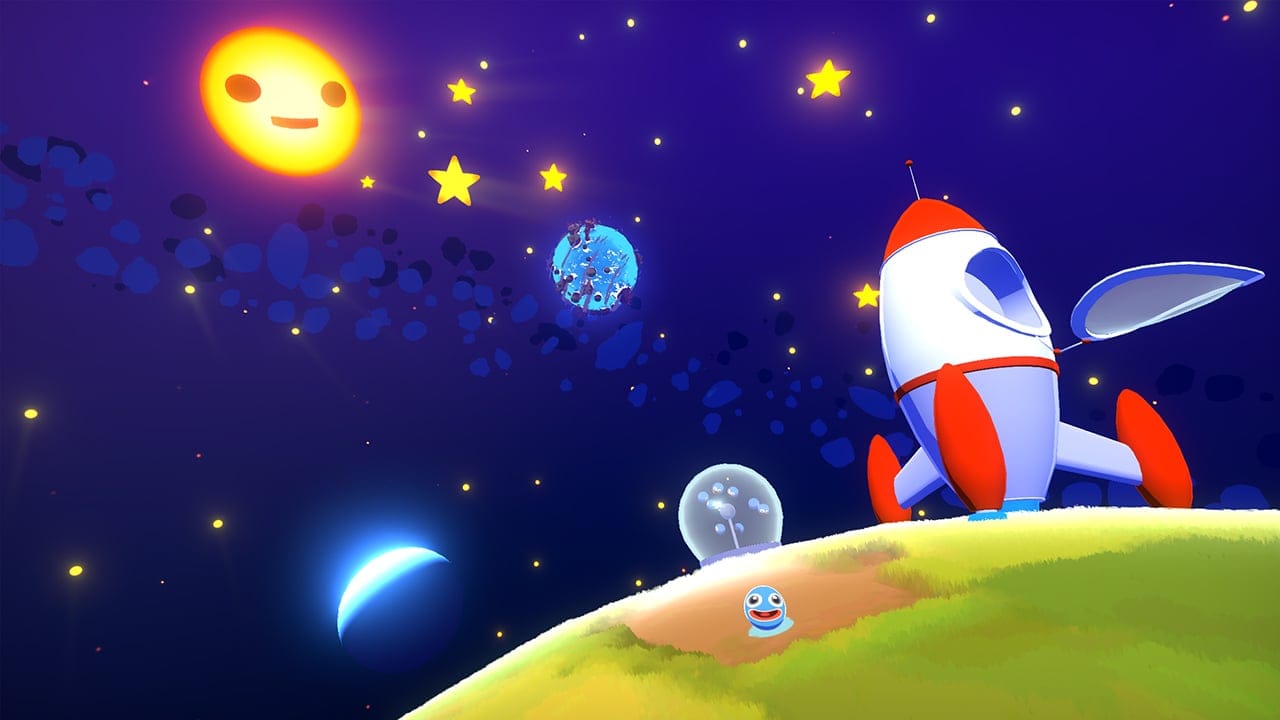
The local multiplayer Party Mode transforms the individual challenge into a social spectacle. The inherent chaos of the physics system scales beautifully to competitive or cooperative play, often leading to uproarious moments of shared success and calamitous failure. For a game on the Nintendo Switch, this mode significantly enhances its value proposition, leveraging the console's penchant for couch co-op. Online leaderboards add another layer of replayability, transforming each level into a time trial. The pursuit of shaving milliseconds off a personal best, or discovering a new speedrunning line through a collapsing stage, extends the game's longevity far beyond its initial campaign clear. Brute Force has constructed a game that, despite its seemingly simple premise, offers a deep well of mechanical mastery and replay incentive. The vibrant aesthetic, while not groundbreaking, provides a friendly contrast to the often-punishing gameplay, creating an inviting, if challenging, experience.