
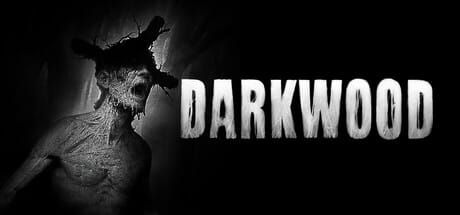


Bottom Line: Darkwood masterfully redefines survival horror, leveraging psychological dread and brutal consequence over cheap scares, establishing itself as a benchmark for atmospheric tension.
Darkwood's core loop is a study in controlled anxiety, meticulously engineered to keep players on edge without resorting to cheap tactics. The procedurally generated, sinister forest is more than just a backdrop; it's a character, hostile and indifferent, filled with secrets and unspeakable dangers. By day, the game is an exercise in cautious exploration and strategic resource allocation. Players must venture out, often ill-equipped, into this decaying, corrupted landscape. The top-down perspective, initially jarring for a horror title, proves to be a stroke of genius. It creates a sense of detachment, yet simultaneously amplifies the feeling of being perpetually observed, every rustle in the undergrowth a potential harbinger of doom. Scavenging is not a mere chore; it is a desperate necessity, each bullet, each scrap of wood, each mushroom a lifeline. Crafting weapons and tools is rudimentary but essential, reflecting the brutal pragmatism of survival in such a desolate place.
When night falls, Darkwood transforms from an exploration game into a harrowing tower defense. The hideout, a fragile sanctuary, becomes the epicenter of a desperate struggle. Barricading doors, setting traps, and strategically placing light sources are not optional conveniences but vital preparations against the onslaught. The game's genius lies in what it doesn't show. The horrors that emerge from the corrupted woods are often heard before they are seen, their grotesque silhouettes flickering in the periphery of a dim flashlight beam. The sound design is a masterclass in psychological warfare—distant wails, guttural growls, the unsettling scratching at boarded-up windows—each auditory cue designed to erode the player's composure. This aural assault, combined with deliberately obscured visual information, cultivates a persistent dread far more potent than any sudden jump scare. The sheer imaginative power of what the player thinks is out there often surpasses any visual manifestation.
The inclusion of permadeath is a bold design choice that elevates the stakes immeasurably. It demands a level of caution and foresight rarely seen in modern gaming, punishing recklessness with absolute finality. This mechanic reinforces the constant sense of vulnerability that permeates every aspect of the game. Coupled with a branching storyline, Darkwood ensures that no two playthroughs are identical, not just in map layout but in narrative progression and consequence. Decisions carry weight, impacting encounters, character relationships, and ultimately, the available paths to understanding the forest's dark secrets. This depth fosters replayability, inviting players to delve back into the nightmare, each time uncovering new facets of its disturbing world. It's a testament to Acid Wizard Studio's vision that they dared to create a game that actively fights against player comfort, instead compelling them to adapt, strategize, and endure against overwhelming odds. The reward is not simply victory, but the profound, unsettling satisfaction of having stared into the abyss and, for a time, survived.