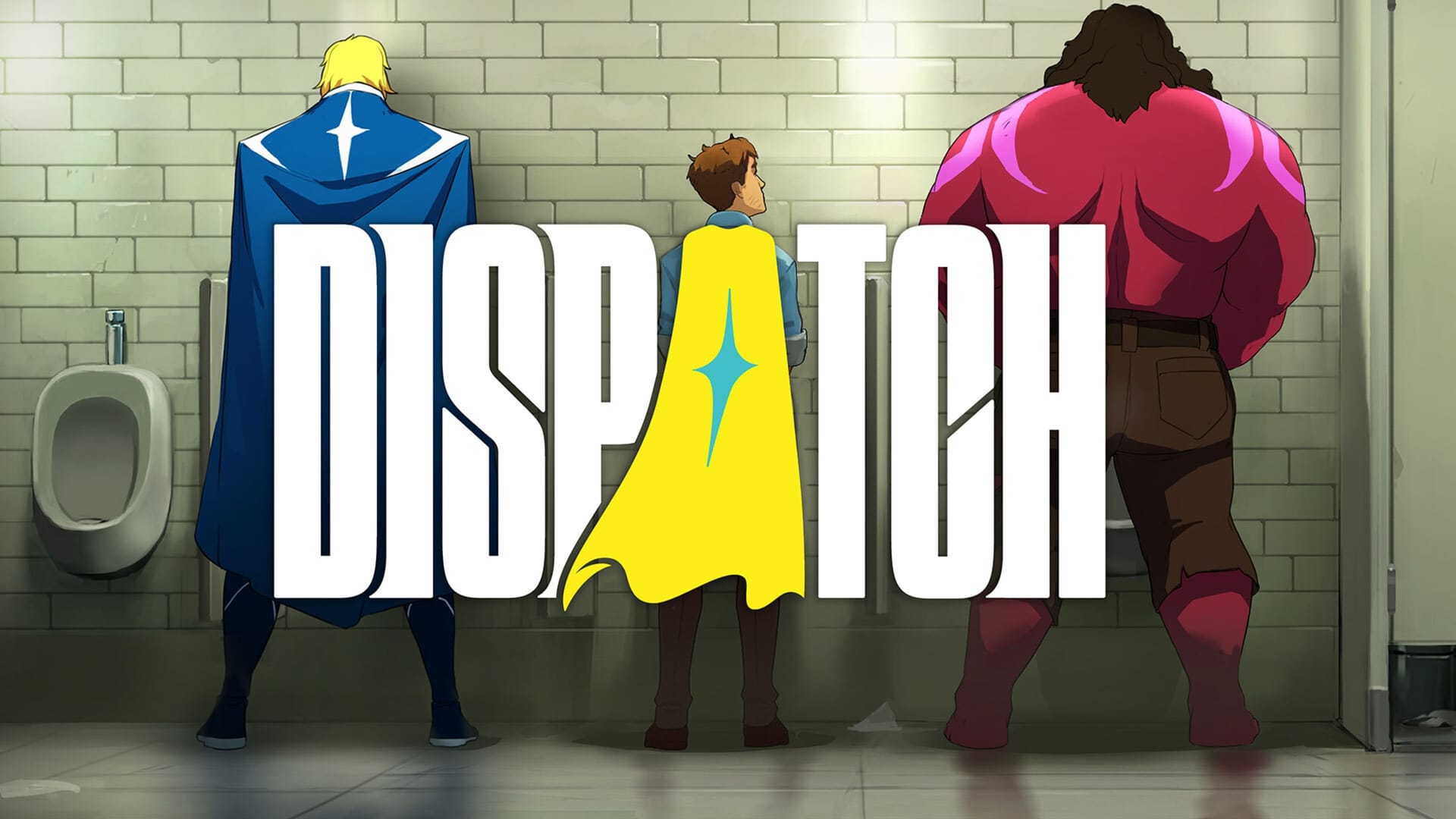
Bottom Line: "Dispatch" brilliantly subverts superhero tropes, delivering a sharp, narrative-driven experience that masterfully blends office comedy with strategic emergency management, cementing its place as a genre innovator on the Nintendo Switch.
"Dispatch" succeeds by leaning into its ludicrous premise with absolute conviction. The core gameplay loop revolves around the tactical deployment of former supervillains—now reluctantly branded as heroes—to various city-threatening scenarios. This isn't about brute force; it's a strategic puzzle box. Players receive incoming alerts, ranging from runaway mechs to disgruntled sentient puddles, and must then select the optimal team. The rub? Each hero possesses a unique set of abilities, but also significant liabilities, often directly tied to their villainous pasts. Deploying the pyromaniac to a minor brush fire, for instance, might solve the immediate problem but inevitably generates more collateral damage than the initial blaze. This constant balancing act between effective crisis management and mitigating character-driven chaos is where "Dispatch" truly shines.
The interface, for a game that is essentially a glorified switchboard, is remarkably intuitive. Information is presented clearly, allowing for rapid assessment of emergencies and hero profiles. Crucially, the game doesn't bombard the player with unnecessary minutiae. What it does, however, is immerse you in the delightful drudgery of Robert Robertson III's world. Managing hero availability, upgrading equipment (often through ethically dubious means), and handling the deluge of paperwork are all interwoven into a narrative that consistently surprises. The narrative pacing, unburdened by the episodic release schedule of its initial console and PC counterparts, feels meticulously crafted in its Switch iteration. Each of the eight episodes flows into the next, building momentum and escalating the stakes, not just for the city, but for Robertson’s precarious career and the fragile alliances within his dysfunctional team.
Where "Dispatch" truly elevates itself is in its character writing. The reformed villains are not merely archetypes; they are fully realized, flawed individuals grappling with their pasts and the crushing weight of bureaucratic oversight. The dialogue is consistently sharp, often hilarious, and laced with the kind of dry wit one expects from a top-tier comedy series. These interactions are not just flavor text; they are critical decision points. Understanding a hero’s psychological hang-ups, their rivalries, or their secret love for artisanal cheese can be the difference between a successful mission and an entire city block turning into a sentient, rampaging sculpture garden. The game leverages its internal research notes well; the “Overwhelmingly Positive” Steam reviews aren't just boilerplate praise. They reflect a genuine appreciation for a game that doesn't just play well, but thinks well, forcing players to consider the nuanced impact of their choices on a human—or rather, a superhuman—level. The depth of the emergent storytelling, born from player decisions, provides significant replayability, inviting multiple playthroughs to explore alternative outcomes and character arcs.
Onboarding Friction
The initial onboarding might feel slightly overwhelming to players accustomed to more direct heroics. The sheer volume of narrative choices and the subtle consequences can create a moment of decision paralysis. However, this initial friction quickly dissipates as the player acclimates to the unique rhythm of the game, transforming from a potential stumbling block into an integral part of its charm – the feeling of genuinely learning the ropes of a new, utterly absurd job.