

Bottom Line: Dread Delusion is not merely a nostalgic pastiche; it’s a masterclass in atmospheric open-world design, leveraging its distinctive retro aesthetic to craft an RPG experience brimming with genuine player agency and compelling exploration. It stands apart in a crowded genre.
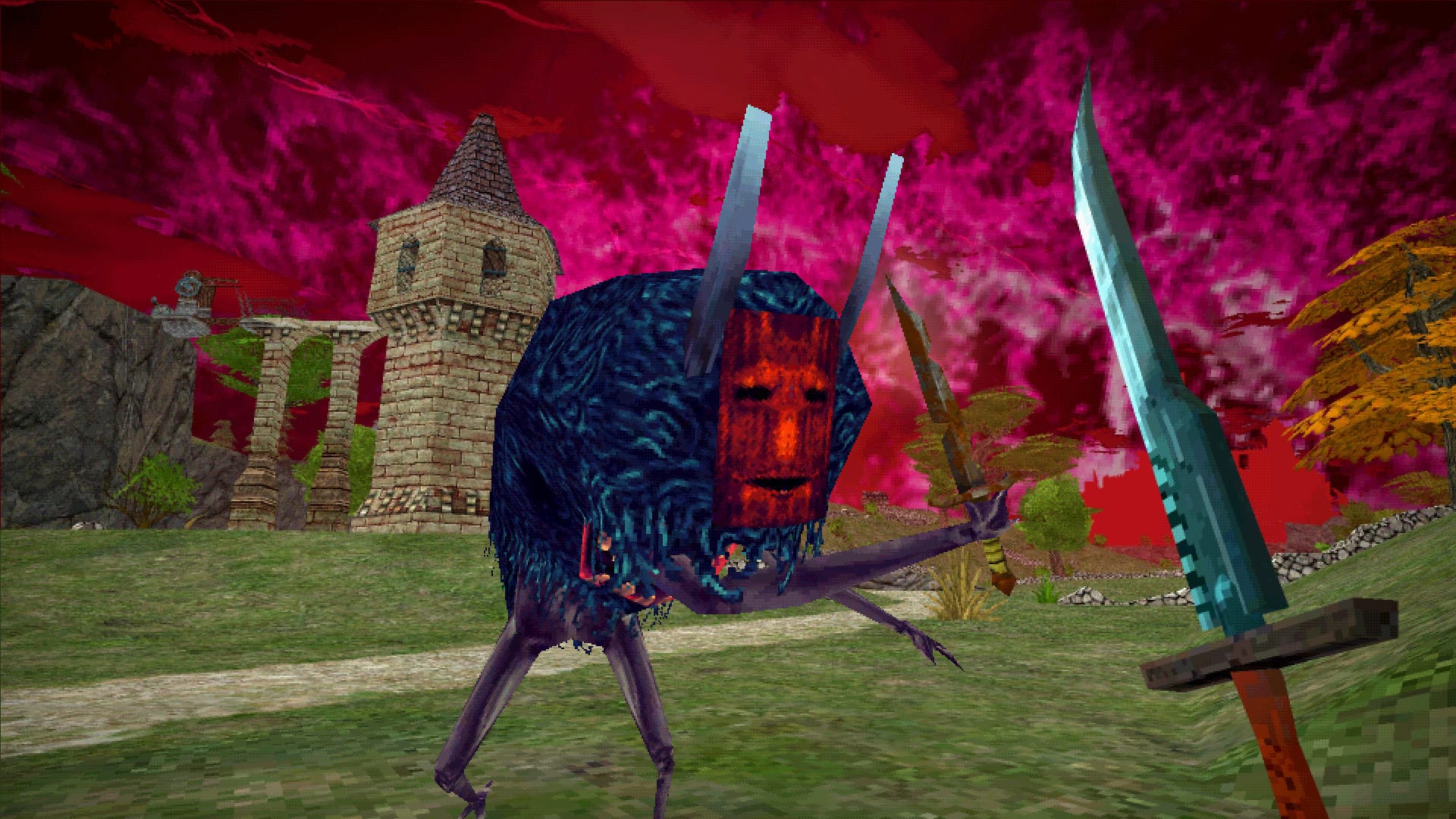
Dread Delusion doesn't coddle the player. From the moment you step into its strange, fragmented world, it demands attention, inviting curiosity with its alien landscapes and cryptic denizens. The visual presentation is its most immediate differentiator. It’s a bold gamble to lean into a retro 3D aesthetic in 2026, but Lovely Hellplace executes it with such conviction that it transcends mere gimmickry. This deliberate stylistic choice is not a shortcut; it is a canvas upon which a genuinely atmospheric and unsettling world is painted. The blocky textures and muted color palettes evoke a persistent sense of unease, a world just beyond the grasp of full comprehension, amplifying the game’s themes of occultism and forgotten knowledge. This design philosophy directly impacts the sense of exploration; every new town, every derelict ruin, feels genuinely discovered, often hinting at a deeper, more sinister history than a more graphically detailed environment might convey.
Gameplay Loop & Player Choice
Where Dread Delusion truly distinguishes itself is in its unwavering commitment to player agency. This isn't merely a dialogue option that branches a questline; it's an intrinsic philosophy woven into the fabric of its gameplay loop. Faced with an obstacle, the game rarely presents a singular, obvious solution. Combat is always an option, often brutal and demanding, but the true brilliance lies in the myriad non-combat alternatives. Want to bypass a confrontation? Perhaps a well-placed charm spell or a silver tongue can turn a foe into an ally. Is a door barred? Lockpicking might be the answer, or perhaps an esoteric ritual found in a forgotten tome holds the key. This dynamic fosters a profound sense of ownership over one's progression. Players are not guided through a pre-defined narrative tunnel; they are given the tools and the freedom to carve their own path, their successes and failures feeling genuinely earned. This depth of choice, reminiscent of early Fallout titles or the non-linear design of Morrowind, is a rare commodity in modern RPGs and elevates Dread Delusion beyond its peers.
World Building & Character Progression
The world of Dread Delusion is a character in itself. The flying continents are more than just backdrops; they are intricate ecosystems populated by unique creatures, factions vying for power, and a pervasive sense of ancient history. Interacting with these elements is critical. Joining or opposing factions isn't just about unlocking new quests; it alters the political landscape, shifting allegiances and opening up new opportunities or closing others permanently. This creates meaningful consequences, encouraging thoughtful engagement with the world rather than mere transactional quest completion.
Character progression is equally robust, offering substantial depth without devolving into impenetrable complexity. Players can sculpt their approach through a combination of traditional stat allocation, skill acquisition, and a versatile crafting system encompassing smithing and alchemy. The ability to craft powerful spells and potions complements both combat and non-combat playstyles, ensuring that dedicated alchemists or arcane scholars can be just as effective as seasoned warriors. The economy of knowledge in Dread Delusion is also noteworthy; forbidden texts often unlock powerful abilities or reveal hidden pathways, rewarding diligent explorers and those willing to delve into the darker corners of the world’s lore. This system ensures that players are always making meaningful choices about their character's development, directly influencing their capacity to navigate the game's formidable challenges.
Interface & Performance Considerations
The user interface, while minimalist, can occasionally suffer from the very aesthetic it embraces. Information density is low, and while this contributes to the sense of discovery, a few more intuitive organizational cues wouldn’t go amiss, particularly for inventory management. The Switch 2 release, benefiting from all Early Access optimizations, demonstrates commendable performance. The deliberately simplified graphics inherently make it less demanding, resulting in a remarkably stable experience, a pleasant surprise for a game of this scope on a console. Load times are acceptable, and frame rates remain consistently smooth, even during more frenetic combat encounters, ensuring that the critical atmosphere is never broken by technical hitches.