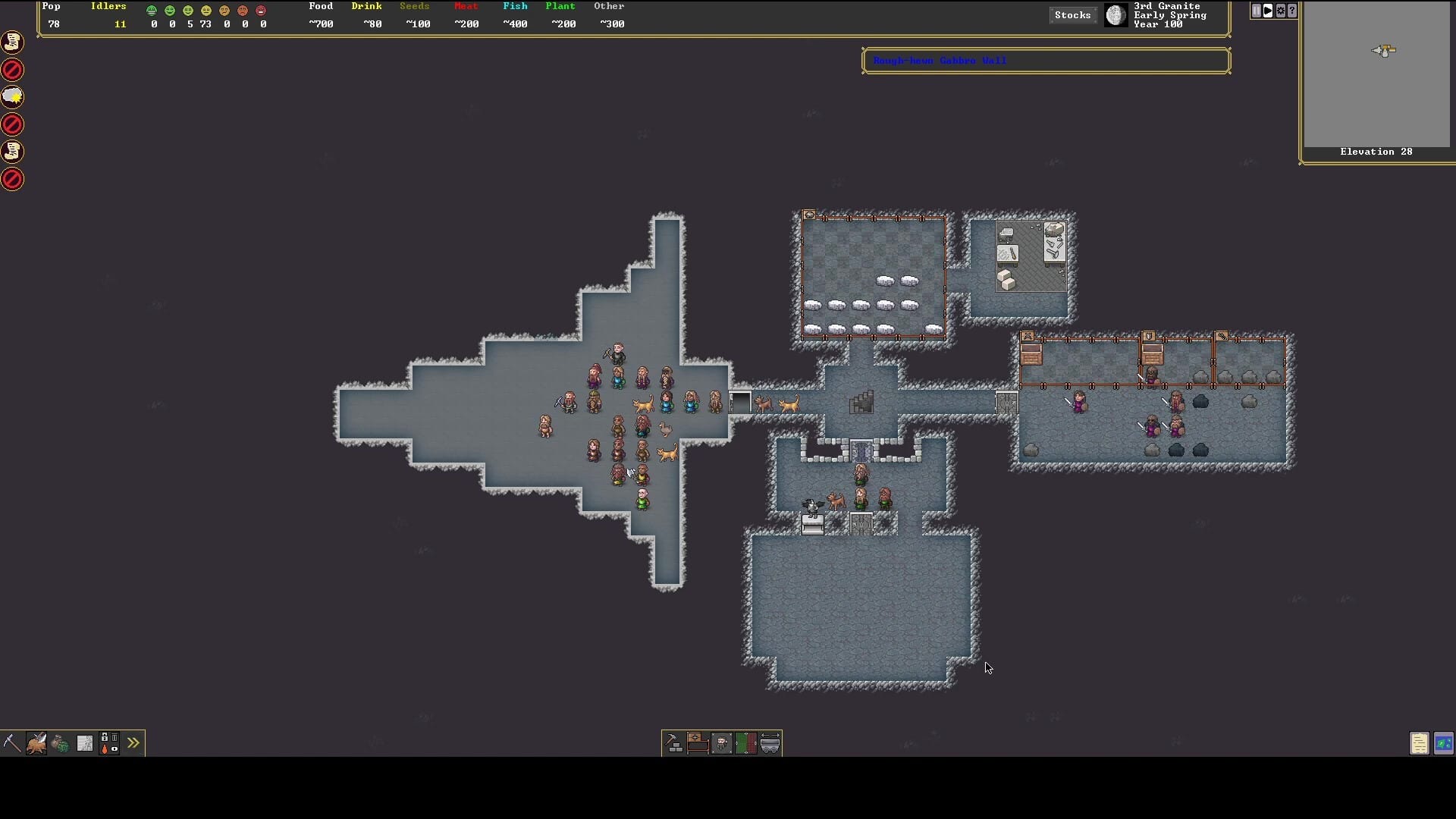

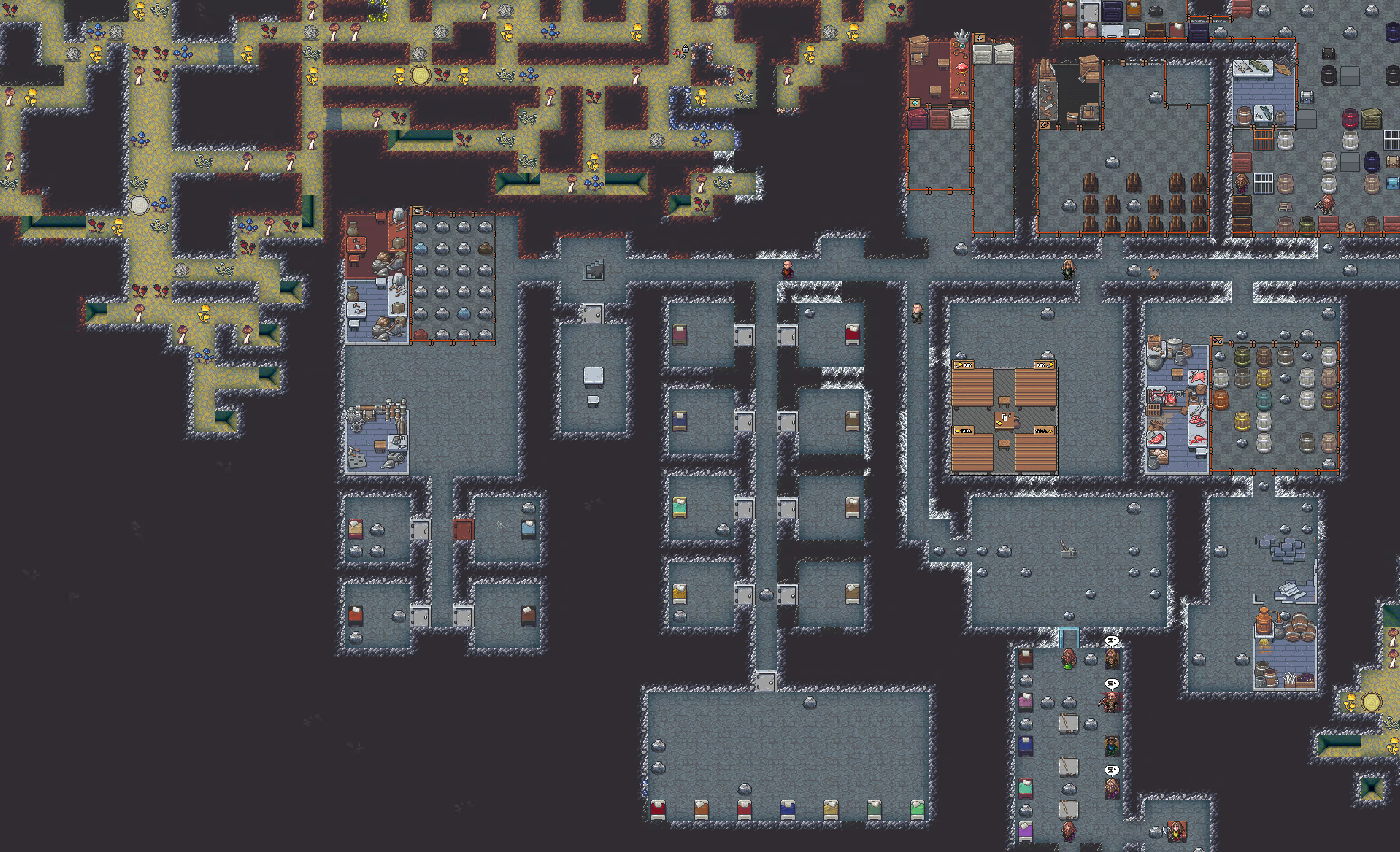
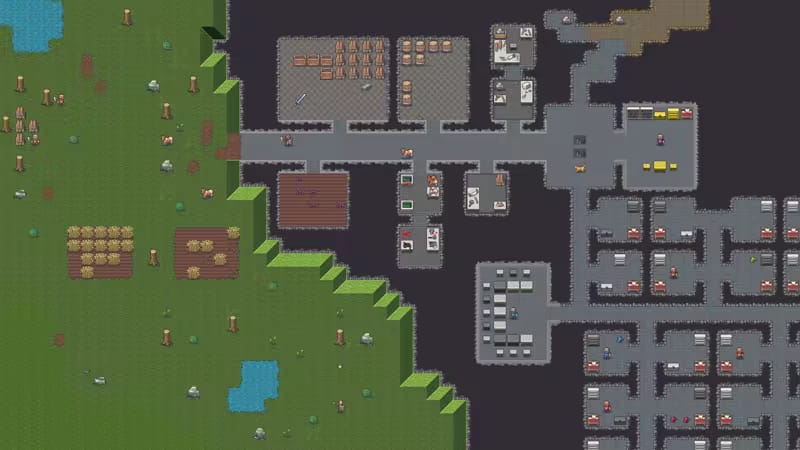
Bottom Line: Dwarf Fortress on Steam is the definitive edition of a cultural landmark. It meticulously preserves the soul-crushing, story-generating complexity of the original while surgically sanding down the most hostile barriers to entry, revealing the most sophisticated simulation ever crafted.
Playing Dwarf Fortress is less like playing a game and more like collaborating on a novel with a brilliant, unhinged, and occasionally homicidal co-author. The Steam version doesn't change the plot; it just improves the typography.
The World Before the Dwarf
The experience begins not with a character creator, but with a creation myth. You watch as the game fabricates a world, its continents, its climate, and its history. This isn't just set dressing. The "War of the Ashen Divide" that happened 500 years before your dwarves arrived has tangible consequences. The goblin civilization you border has a name, a leader, and a reason to hate you. The artifacts your dwarves might find are not just loot; they are footnotes from a generated history book. No other game has ever committed to this level of world-building. It provides a weight and a sense of place that makes your small fortress feel like a meaningful part of a much larger, living entity.
The Architecture of Chaos
The fundamental gameplay is a push-pull between the player's grand designs and the dwarves' individual whims. You lay out blueprints for magnificent underground halls, intricate workshops, and deadly trap corridors. But your plans are at the mercy of a mason who has suddenly decided to throw a tantrum because he hasn't had a proper drink in ten minutes. This indirect control is where the magic lies. It forces you to think like a manager, not a micromanager. You don't solve problems by clicking a button; you solve them by building a better tavern, ensuring a steady supply chain of stone, and trying to keep your dwarves from getting rained on (they hate being rained on).
The learning curve remains a sheer cliff face, but the Steam release provides a crucial pickaxe and some rope. The new UI, driven by a mouse, is a revelation. What once required a dozen cryptic keyboard shortcuts can now be accomplished with a few clicks. The tutorial is serviceable, guiding new players through the absolute basics of digging, building, and surviving their first winter. It doesn't—and cannot—prepare you for the cascading failures that define the mid-game, but it successfully cracks open the door that was previously barred and bolted. The interface can still feel like navigating a dense spreadsheet, but it's a spreadsheet with tooltips and icons, a quantum leap forward from the ASCII original.
A Story Written in Blood and Stone
The true output of the Dwarf Fortress simulation is not a score or a "You Win" screen. It is the story. It is the story of Urist McBrawler, the legendary warrior who single-handedly fought off a cyclops only to be later struck down by a stray bolt from a poorly trained marksdwarf. It's the story of a forgotten child who befriends a giant cave swallow, leading to a fortress-wide infestation. The game's combat logs are famously, absurdly detailed, describing every chipped tooth and bruised finger. This granularity, applied to every aspect of the simulation, is what gives the emergent narratives their power. The Steam version's graphical tileset helps visualize these moments, but the real action still unfolds in the player's mind, fueled by the rich, descriptive text.