
Bottom Line: Eliza is a brilliant, unsettling narrative that forces a hard look at the gig economy, mental healthcare, and our own complicity in a tech-driven world. It's less a game and more a necessary, uncomfortable conversation.
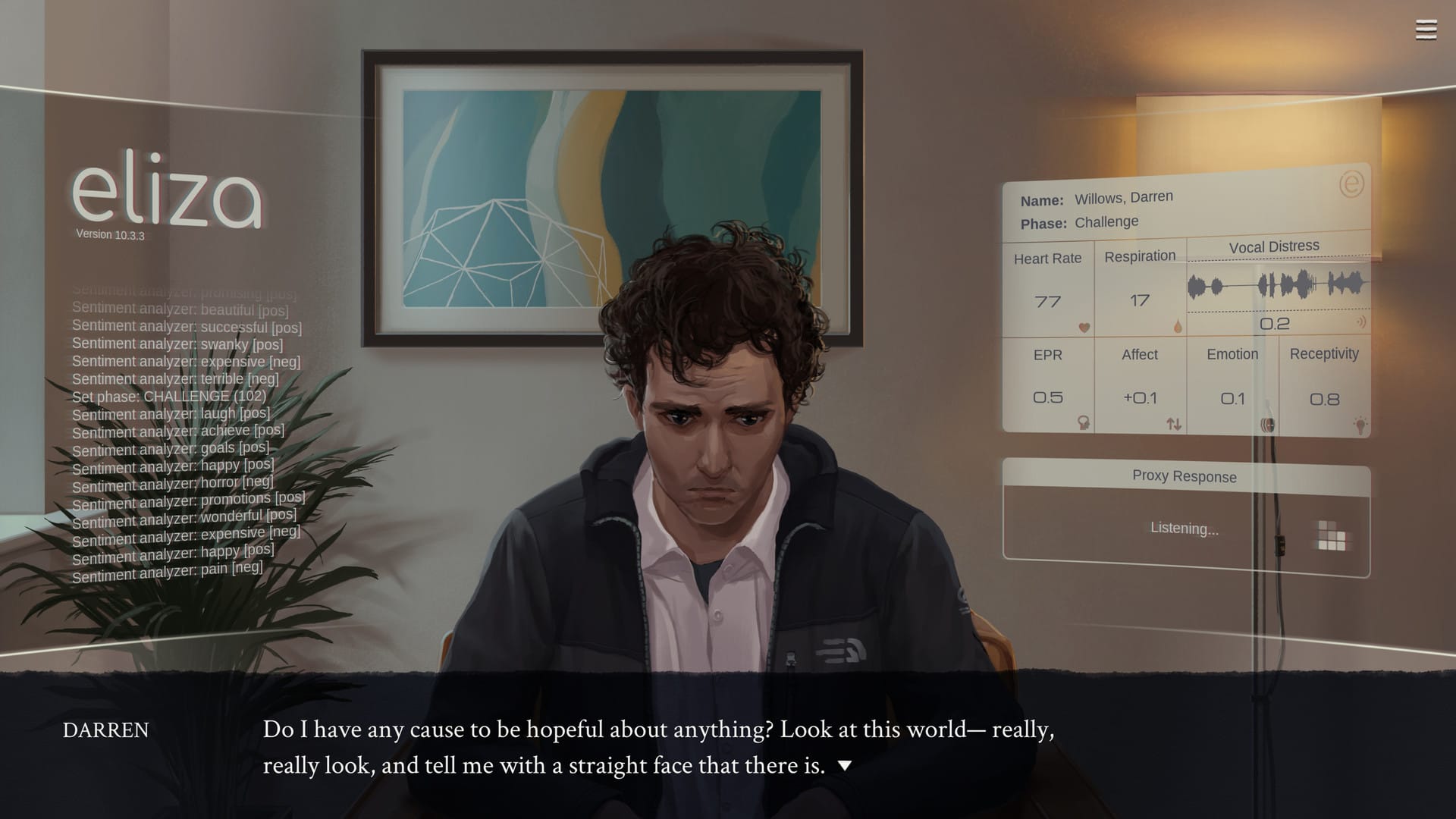
Eliza commits to its central premise with a discipline that borders on the unnerving. The primary gameplay loop is one of repetition and passivity. You commute, you are fed a client, you listen, you read the AI's prescribed response. There is no "gameplay" in the traditional sense. You cannot deviate from the script. You cannot offer your own advice. Your agency is almost entirely removed, and in this restriction lies the game's brilliance. Zachtronics has weaponized the player's expectation of choice, making the lack of it a profound statement. You are a cog in a vast, unfeeling machine, your humanity reduced to the service-level task of providing a comforting vocal tone.
This structure forces the player to grapple with uncomfortable questions. The solutions offered by the Eliza program are logical, drawn from an immense dataset, and utterly devoid of genuine understanding. The AI suggests mindfulness apps, breathing exercises, and journaling—bland, one-size-fits-all panaceas for deep, specific wounds. The results are often unsettling. A client may feel heard for a moment, but the underlying problem festers. The game is a stunning indictment of tech solutionism, the arrogant belief that the complex, nuanced art of human connection can be distilled into a service.
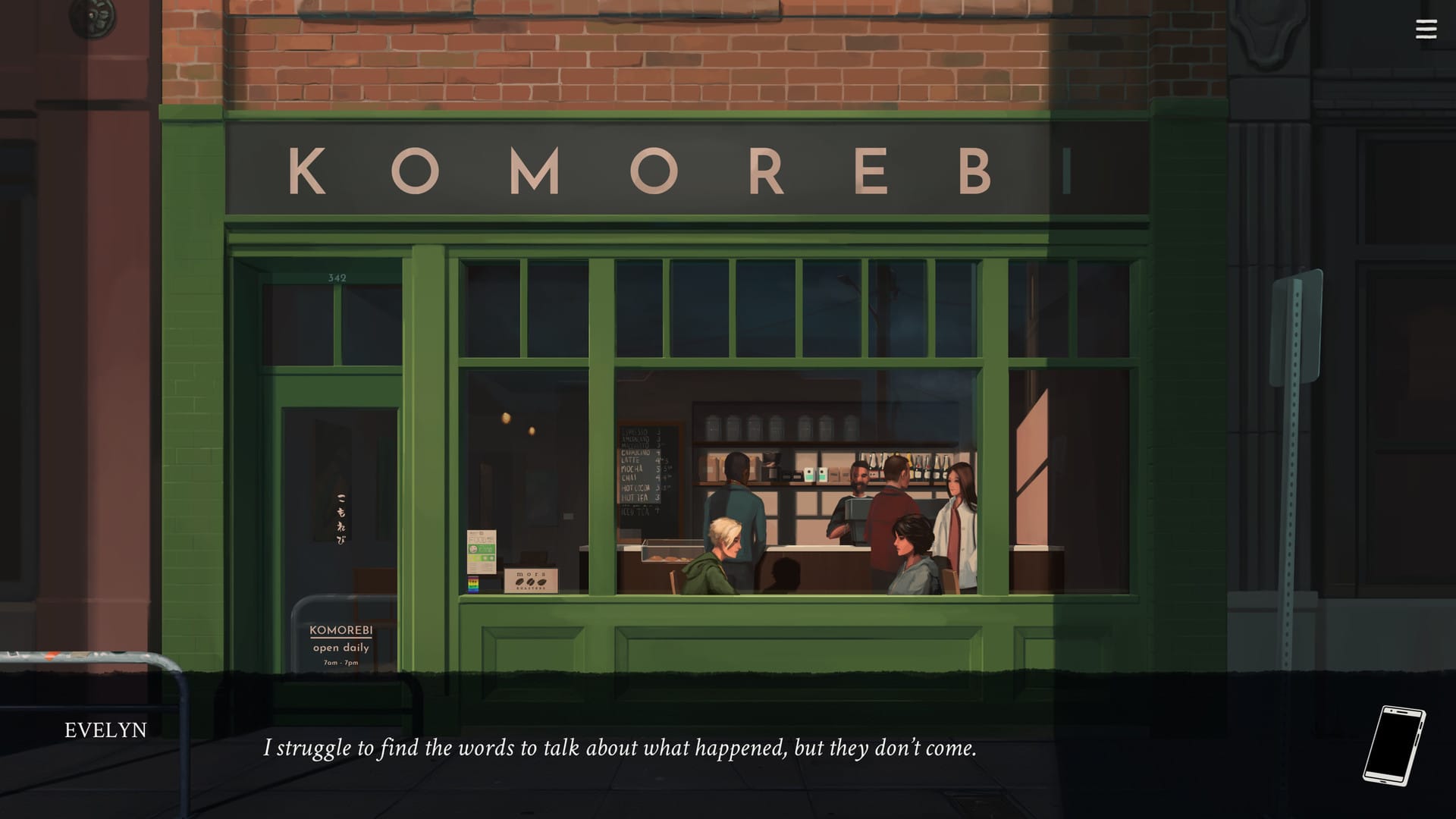
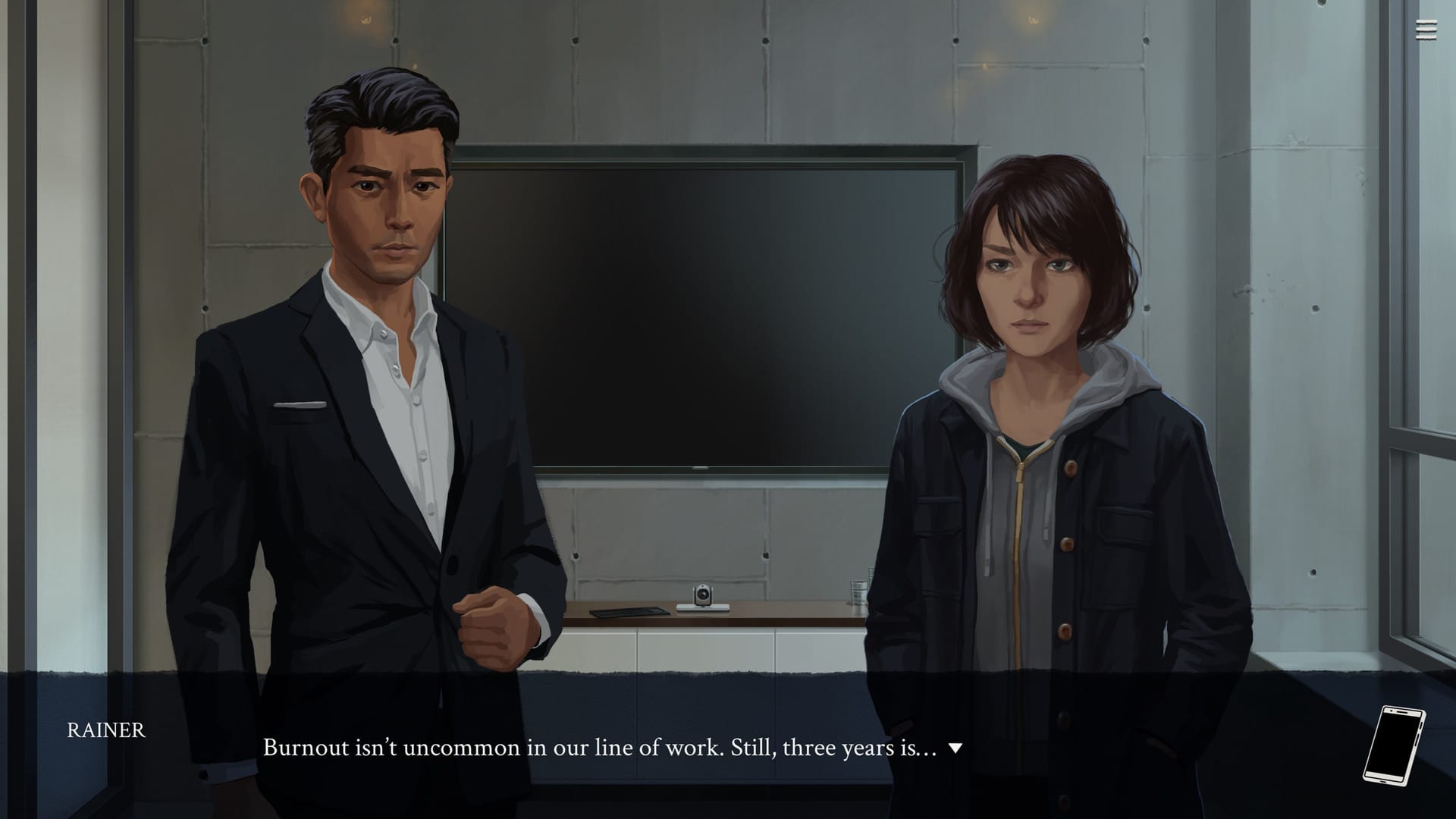
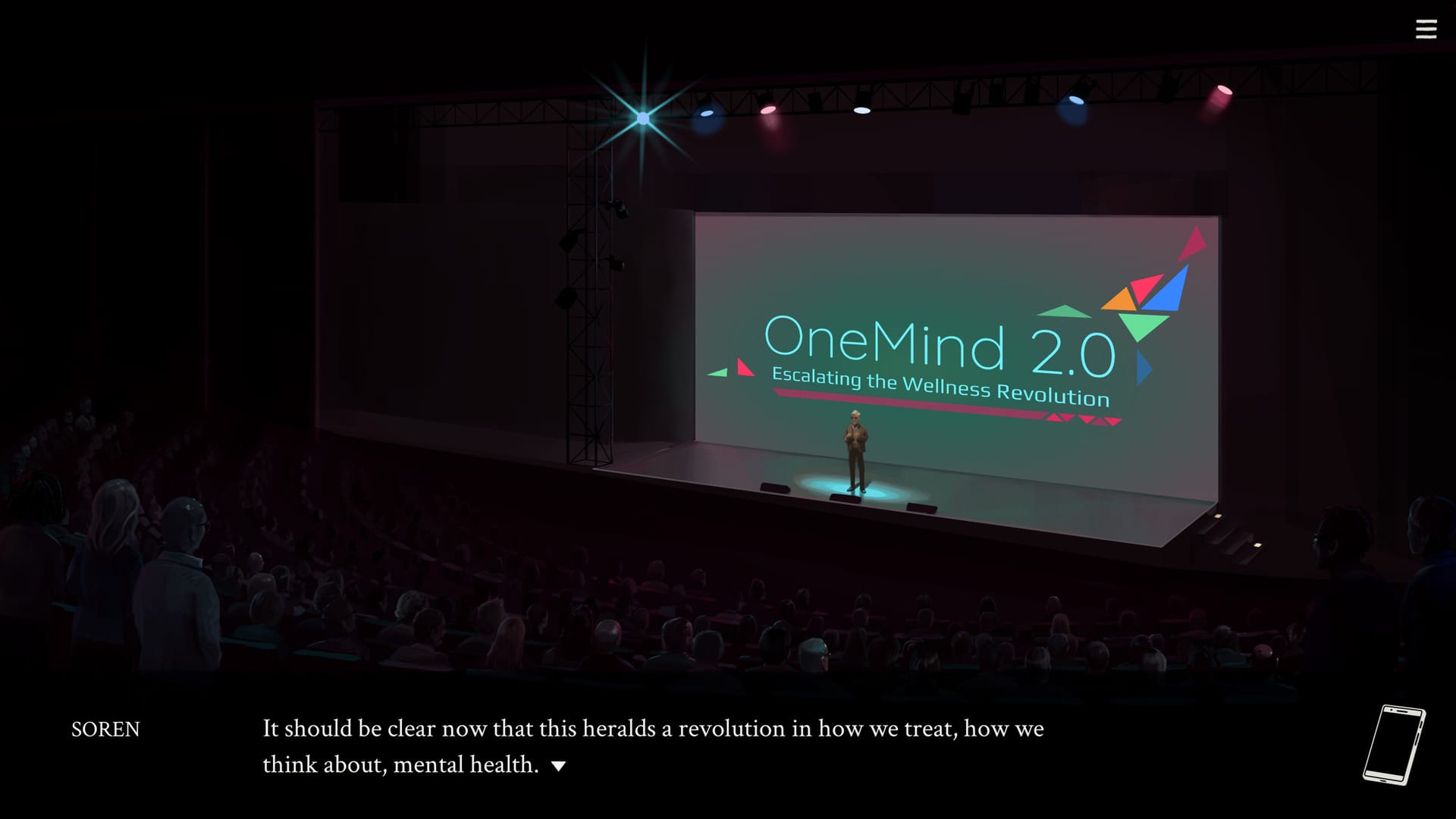
The true heart of Eliza is in the moments between the counseling sessions. The story explores Evelyn's relationships with her former colleagues, the creators of Eliza, and a new circle of people who are critical of the system she represents. It’s here that the narrative branches, asking the player to make choices that define Evelyn's worldview and, ultimately, the future of the Eliza program. The writing is spectacular—sharp, naturalistic, and deeply empathetic. Every character, from the apathetic tech CEO to the struggling artist client, is rendered with a complexity that defies easy judgment. They feel like people you know, grappling with problems that feel intensely real. The game slowly peels back the layers of the corporate entity behind Eliza, revealing the personal histories and traumas that led to its creation. It's a story that is less about "AI" as a concept and more about the flawed humans who build it and the desperate humans who turn to it for help.