
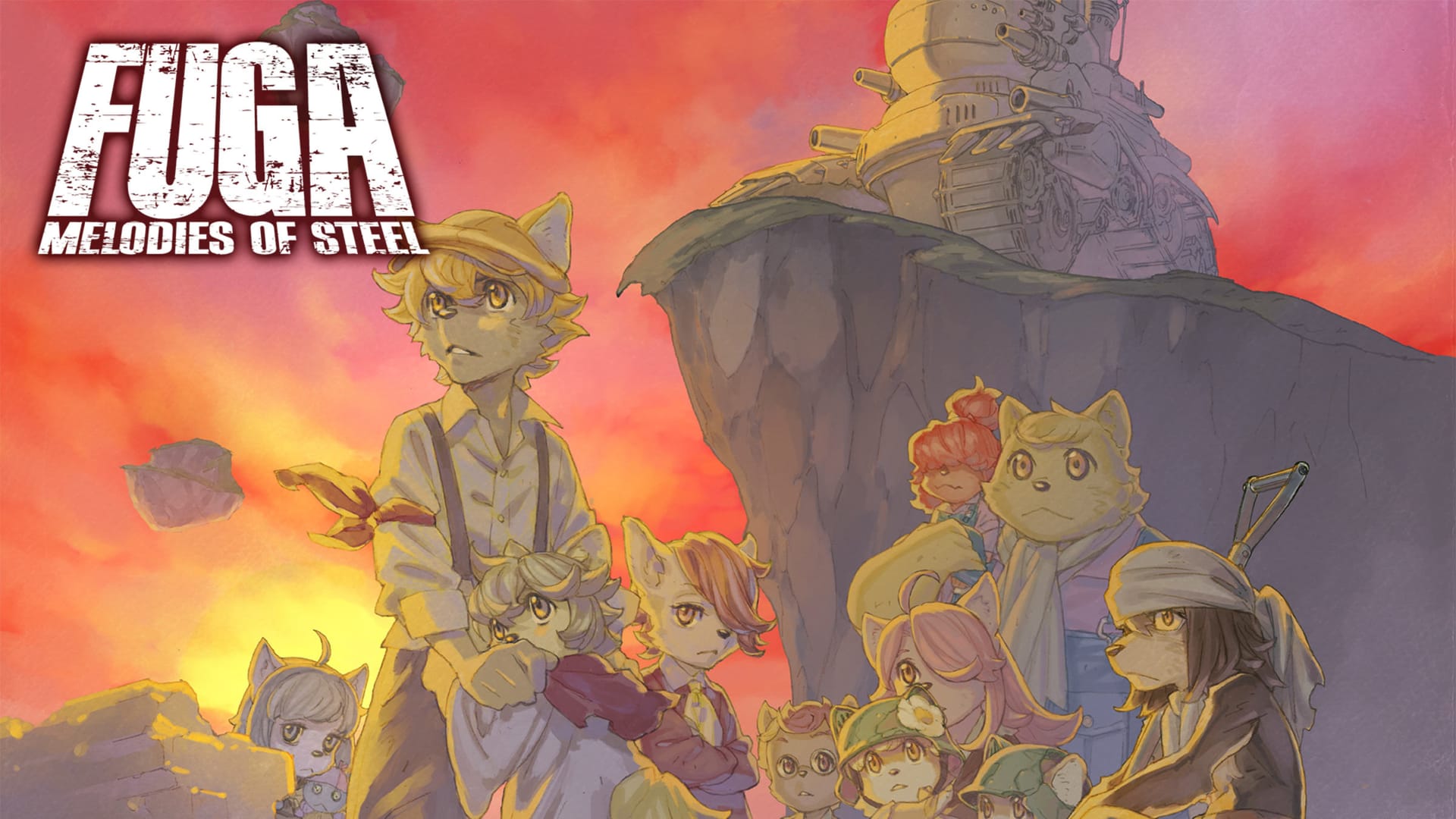
Bottom Line: CyberConnect2's Fuga: Melodies of Steel is a strikingly original tactical RPG that couples deep strategic combat with a harrowing, emotionally charged narrative, but its most impactful mechanic demands a heavy ethical toll from players.
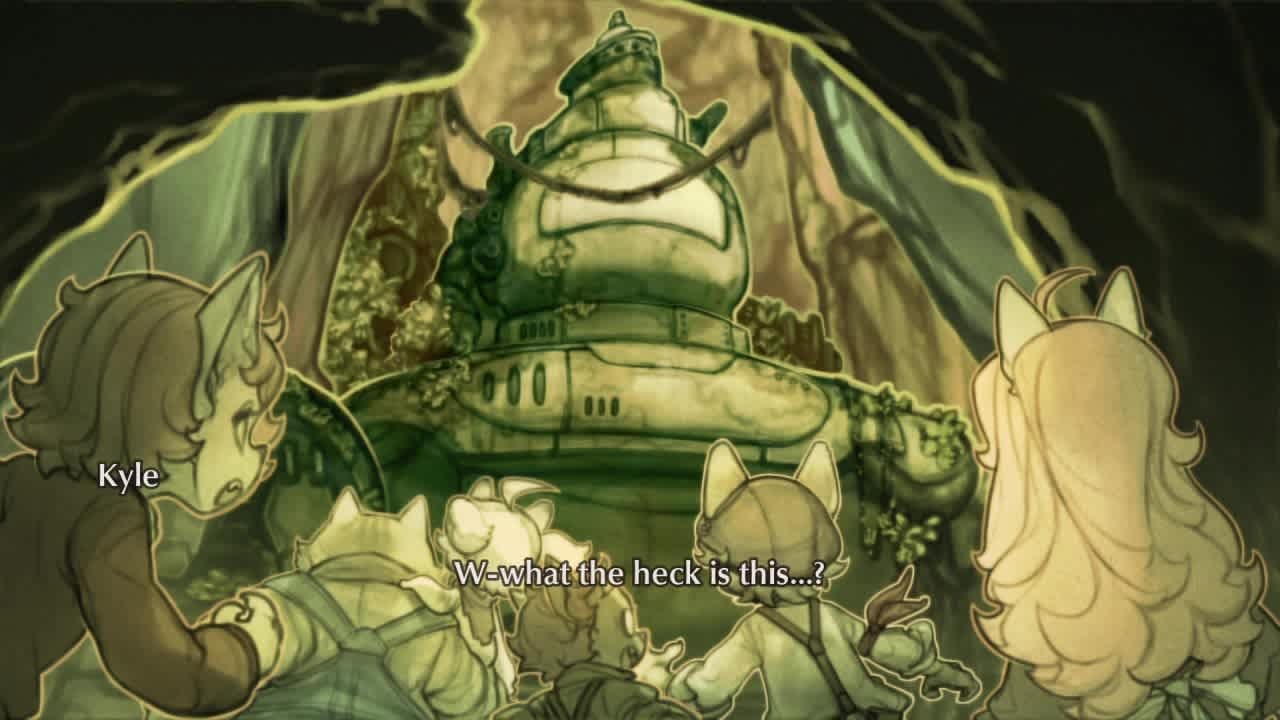
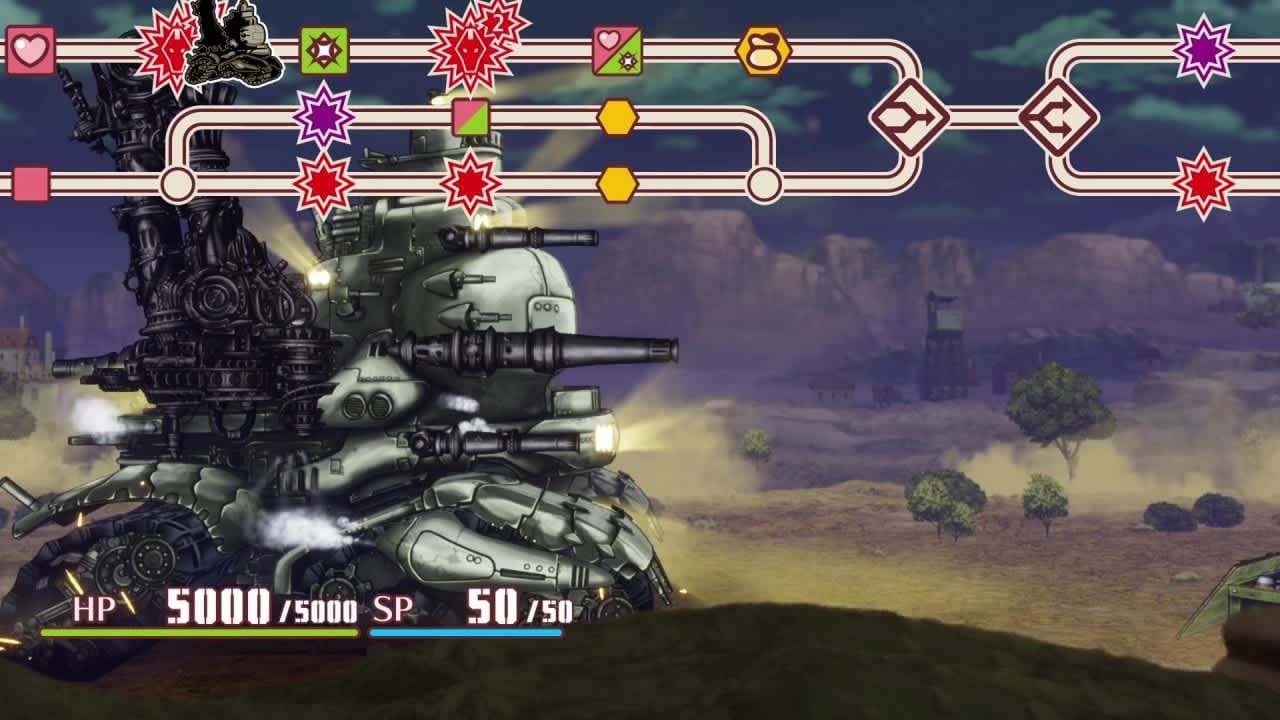
The core conceit of Fuga: Melodies of Steel is a tightrope walk: pitting vulnerable children against the machinery of war. CyberConnect2 navigates this challenging narrative space with a delicate brutality that is both captivating and profoundly unsettling. The Taranis functions as a character in its own right—a metallic leviathan that is at once protector, weapon, and the crucible in which its young crew's innocence is irrevocably forged. This blend of mechanical might and childlike vulnerability is where Fuga finds its unique voice.
Tactical Engagement and the Weight of Sacrifice
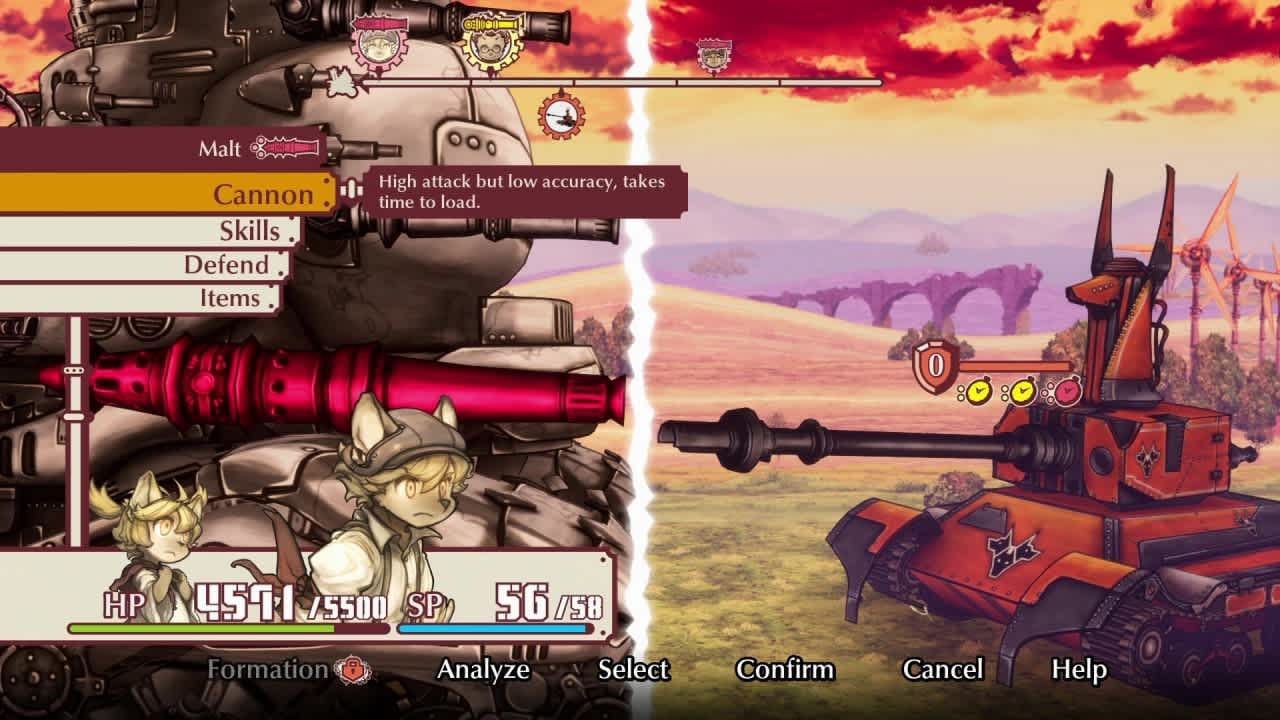
Combat in Fuga is a meticulously crafted affair, demanding a discerning eye for strategy. Players must not merely assign children to gun turrets but carefully consider each child's innate abilities, their current emotional state, and their developing affinities with fellow crew members. The strategic depth emerges from this intricate web of interlocking systems: choosing between HP, AP, or armor-piercing attacks based on enemy types, managing the turn order, and exploiting the specific weaknesses of increasingly formidable foes. A well-placed combined attack, triggered by strong character bonds, can turn the tide of a desperate battle, underscoring the game’s philosophy that even in the darkest hours, solidarity holds immense power. The learning curve is gradual, but mastery of these systems is essential for survival, particularly as the stakes escalate. This is not a game where button-mashing prevails; it rewards meticulous planning and a deep understanding of its interconnected mechanics.
Yet, it is the specter of the Soul Cannon that truly defines Fuga's narrative and ethical landscape. This ultimate attack, capable of obliterating even the most stubborn boss, comes at a price that will haunt players long after the battle concludes: the life of one of the children. This mechanic is a masterstroke of psychological design. It is not simply a powerful ability; it is a literal narrative guillotine, forcing players to confront the true, irreversible cost of war. The moral calculus is agonizing: sacrifice one innocent life to save many, or risk the annihilation of the entire crew. This decision isn't relegated to a cutscene; it’s an interactive, brutal choice that CyberConnect2 thrusts upon the player, transforming a tactical victory into a profound personal and narrative loss. This bold implementation ensures that every use of the Soul Cannon resonates with an impact few other games achieve, cementing Fuga as more than just a strategy game; it’s an emotional gauntlet. The very positive reception for the game speaks to the efficacy of this bold, albeit controversial, design choice, proving that many players are willing to grapple with such profound dilemmas.
Character Arc and Consequential Choices
Beyond the battlefield, Fuga excels in its portrayal of character development. The children, despite their tender age, are not static archetypes. Their anxieties, rivalries, friendships, and burgeoning leadership qualities are explored through interstitial dialogue and branching choices. These decisions, often seemingly minor, have significant narrative repercussions, influencing everything from character morale and resource management to the unlocking of new abilities. The game’s commitment to showing, not just telling, the impact of war on these young minds is commendable. The development of their affinity for one another is not just an emotional subplot; it’s an intrinsic part of the combat system, making player investment in their well-being a strategic necessity. This cyclical relationship between narrative depth and mechanical output is a defining characteristic, creating a cohesive, immersive experience where every action, every bond, truly matters.