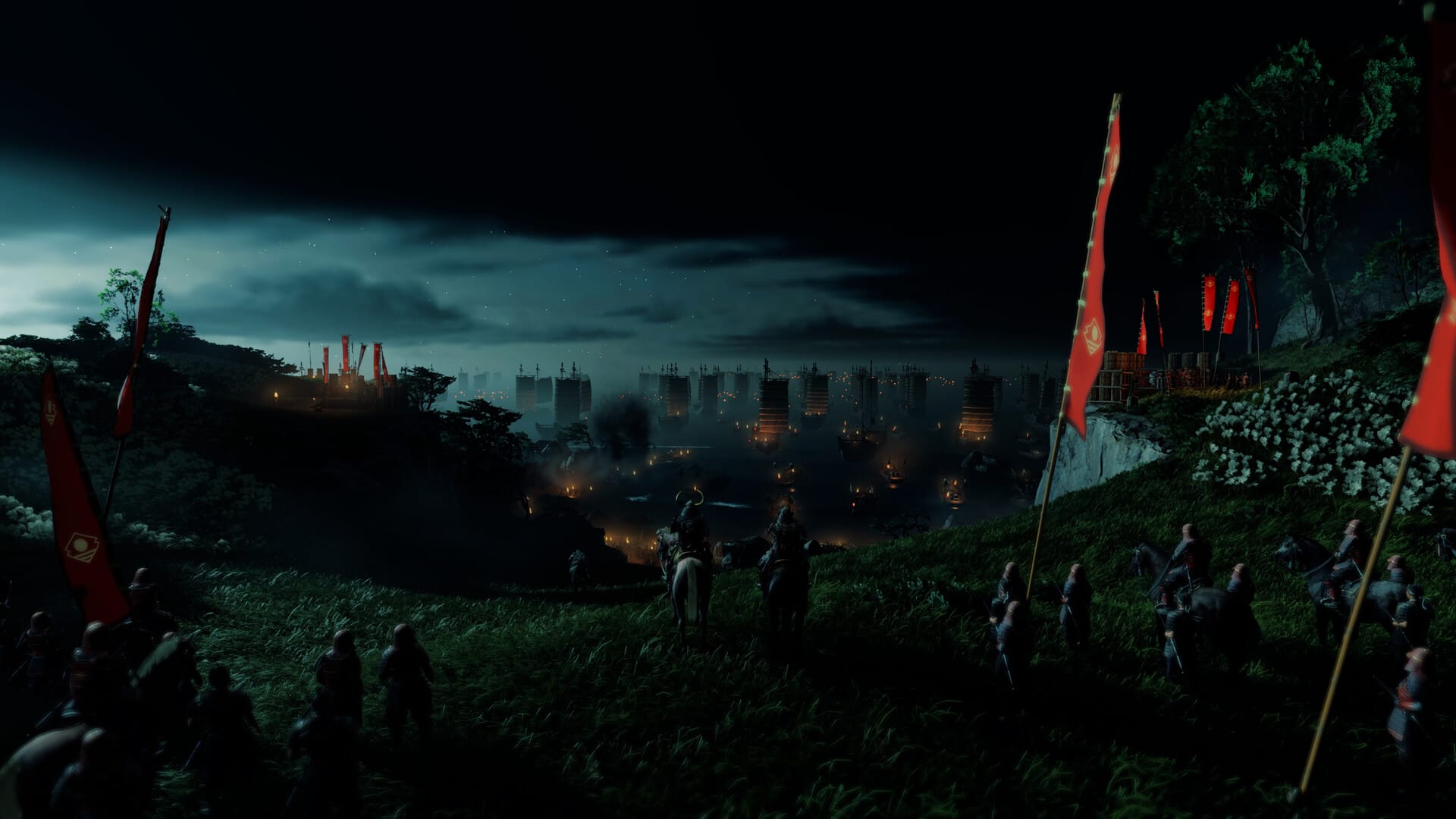




Bottom Line: Sucker Punch’s samurai epic arrives on PC as a masterclass in art direction and atmospheric immersion, proving that even a formulaic open world can feel revolutionary when executed with this much soul.
The core of Ghost of Tsushima isn't the scale of its map, but the friction of its combat. In an era where many open-world titles settle for "floaty" action, Tsushima feels grounded. Every sword strike has weight. The parry window is tight but rewarding, turning encounters into a high-stakes dance of timing. When you successfully deflect a spear and counter with a lethal strike, the game achieves a flow state that few of its contemporaries can match.
The Gameplay Loop: Meditation vs. Violence
The game is structured around a deliberate cycle of high-intensity combat and quiet contemplation. You might spend ten minutes clearing a Mongol camp using "Ghost" tools—smoke bombs, kunai, and sticky grenades—only to spend the next five minutes following a yellow bird to a hidden hot spring or composing a haiku by a waterfall.
This pacing is critical. It prevents the combat from becoming a mindless grind and gives the world a sense of place rather than just a series of arenas. The "mini-games" aren't just filler; they are thematic extensions of Jin’s character. Writing a haiku requires you to select lines that reflect your surroundings, forcing you to actually look at the environment Sucker Punch spent years rendering.
Interface as Experience
We need to talk about the minimalist UI. Most open-world games treat the screen like a dashboard, cluttering it with compasses, XP bars, and quest logs. Tsushima strips almost all of it away. The "Guiding Wind" remains one of the most innovative navigation mechanics in the last decade. It transforms travel from a chore into an organic exploration. You aren't just following a line; you are following the world. This lack of onboarding friction allows the player to stay immersed in the period-accurate atmosphere without constant reminders that they are playing a piece of software.
The PC Port Factor
Nixxes has earned its reputation as the gold standard for PC ports, and Tsushima is no exception. The inclusion of DLSS 3, FSR 3, and Intel XeSS ensures that even mid-range rigs can achieve high frame rates. The game scales beautifully. On a high-end machine, the particle effects—swirling leaves, embers, and flower petals—create a density of movement that makes the world feel alive. Latency is minimal, which is vital for a game where a millisecond's difference in a parry determines life or death.