



Bottom Line: Ghostlore presents a captivating journey through Southeast Asian mythology, wrapped in a classic ARPG shell. Its unique setting and robust character customization shine brightly, though a dated interface and sparse guidance often dull the experience.
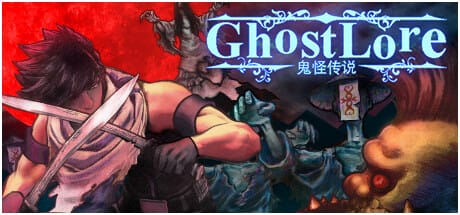
Ghostlore's core appeal, and its most compelling argument, lies in its brave foray into an underutilized thematic space. The "Eastpunk" moniker isn't merely a marketing flourish; it permeates the game's atmosphere, its creature design, and subtly influences the narrative beats of its procedurally generated zones. The creature designs are particular standouts, offering a genuinely refreshing change from goblins and zombies. Confronting a Pontianak or a Penanggal carries a different psychological weight than yet another demon from generic fantasy, grounding the combat in a cultural context that feels both exotic and authentic. This thematic richness is, without question, the game's greatest strength, providing a potent antidote to genre fatigue.
Gameplay Loop & Character Progression
The minute-to-minute gameplay adheres closely to the established ARPG blueprint: click to move, click to attack, loot, level up, repeat. For veterans of the genre, this familiarity is a comfort, a well-worn groove that provides immediate gratification. Combat itself is fluid enough, offering that satisfying sense of clearing screens of foes. However, the procedural generation, while offering replayability, occasionally struggles to maintain a consistent sense of progression or visual variety. While individual zones present unique challenges and enemy types, after dozens of hours, a certain repetitiveness can set in, making some expeditions feel less like an epic quest and more like a series of interconnected, if slightly randomized, arenas.
Where Ghostlore truly differentiates itself within this established loop is its character customization. The ability to hybridize classes — say, a warrior with arcane powers or a hunter steeped in shadow magic — opens up a vast array of build possibilities. This creative freedom is significantly amplified by the glyph system. It's not just about spending skill points; it’s about strategically arranging runes on a grid to activate powerful buffs or automate secondary skills. This deep, almost puzzle-like layer of character building rewards thoughtful theory-crafting and experimentation. Players who revel in meticulously optimizing their character sheets will find immense satisfaction here, crafting truly unique avatars of destruction that feel distinctly their own. It elevates the tactical depth beyond mere gear score and elemental resistance, pushing players to consider synergy and efficiency in a meaningful way.
Interface & Usability Friction
Despite these thematic and mechanical highs, Ghostlore stumbles significantly in its execution of fundamental user experience elements. The user interface is clunky and unrefined, a persistent barrier between the player and the game's deeper systems. Navigation through menus, particularly the messy inventory system, feels like a chore rather than an intuitive interaction. Items pile up with little discernible organization, and sorting through loot becomes an exercise in patience rather than an enjoyable part of the ARPG loop. This isn't merely an aesthetic complaint; a cumbersome inventory directly impacts pacing and player engagement, forcing frequent, frustrating pauses in the action.
Further compounding these issues is a striking lack of in-game guidance. Ghostlore presumes a significant degree of prior ARPG knowledge, offering minimal explanations for its unique mechanics, especially the intricate glyph system. New players, or even seasoned veterans unfamiliar with its specific intricacies, will find themselves experimenting blindly, often missing crucial optimizations or struggling to understand core systems. This onboarding friction can be a considerable deterrent, requiring players to either consult external resources or endure a protracted period of trial-and-error that saps the early game's momentum. The game's complexity, a strength in its character building, becomes a weakness when not adequately introduced.