Overview
Klei Entertainment has carved out a distinct niche in the gaming landscape, celebrated for titles that blend unique mechanics with memorable art direction—from the survival challenges of Don’t Starve to the complex simulations of Oxygen Not Included. With Griftlands, released on Steam on June 1, 2021 for $19.99, Klei ventures into the increasingly crowded roguelike deck-building arena, yet does so with characteristic ambition and a refusal to merely follow trends. This is an ambitious fusion of tactical decision-making, character-driven RPG progression, and procedural narrative design, all set within a gritty, sci-fi world teeming with political intrigue and desperate mercenaries.
Griftlands challenges players to navigate this harsh frontier through the eyes of three distinct protagonists, each possessing their own motivations, campaigns, and, crucially, their own specialized card sets. What immediately sets it apart is its innovative dual-deck system: one deck dedicated to brutal combat, the other to high-stakes negotiation. This mechanical bifurcation is not a mere thematic flourish; it’s the engine driving player choice, allowing conflicts to be resolved through either force or diplomacy, each path fraught with unique strategic considerations and far-reaching consequences. Griftlands positions itself not just as a test of deck-building prowess, but as a crucible for character, where every decision, every spared foe, and every completed quest reshapes alliances, ignites feuds, and ultimately dictates the unfolding story. It’s a deep, rich experience that transcends typical genre boundaries, offering a compelling blend of strategic depth and emergent storytelling.
Key features
- Dual-Deck Dominance: Players manage entirely separate card decks for combat and negotiation, forcing distinct strategic approaches to conflict resolution. This fundamental split underpins almost every encounter, allowing for nuanced choices between brute force and silver-tongued persuasion, each with its own set of risks and rewards.
- Consequential Choices: Decisions extend far beyond card plays. Sparing an enemy, completing a specific quest, or even just conversing with NPCs builds reputation and relationships, leading to dynamic narrative branches, unexpected allies, and vengeful adversaries that fundamentally alter subsequent runs.
- Mercenary Metamorphosis: Choose from three unique mercenary characters—Sal, Rook, and Kashio—each featuring their own dedicated story campaign, unique skill trees, and a distinctive suite of cards and abilities. This ensures substantial replayability and offers vastly different strategic perspectives and narrative arcs across playthroughs.
Analysis
Griftlands is a narrative experience built on a foundation of cards. Klei has engineered a system where every card drawn, every argument made, and every punch thrown is intrinsically linked to the emergent saga of the chosen mercenary. The strength lies in the dual-deck system, which lets conflicts play out through force or diplomacy, each with its own risks and outcomes. It’s about engaging with the world on multiple strategic fronts, not simply winning or losing.
The Art of Negotiation
The negotiation system is, without question, Griftlands’ crowning achievement. Far from a simple reskin of combat mechanics, it presents an entirely different mental puzzle. Opponents have resolve (their main health bar) and arguments (defensive shields that must be broken down or bypassed). The negotiation deck is built with cards designed to damage resolve, attack specific arguments, or bolster your own. The strategic implications are vast: focus fire on a critical argument to destabilize an opponent’s resolve quickly, or play the long game, slowly wearing them down while protecting your own mental fortitude. The stakes here aren’t lethal, but they are often more impactful on the overarching narrative. A failed negotiation might lead to a permanent vendetta, a loss of reputation, or a crucial character refusing to aid the player later. Conversely, a successful negotiation can forge alliances, open new quest lines, or avoid unnecessary bloodshed, cementing the mercenary’s persona in the process.
Combat’s Calculated Chaos
While negotiation dazzles, combat remains a robust and satisfying tactical affair. Utilizing its own distinct deck, combat plays out with familiar roguelike precision: attack, defend, apply buffs and debuffs. However, Klei introduces the panic level mechanic, allowing players to strategically subdue enemies non-lethally. This is a tactical choice as much as a moral one. Subduing often yields different rewards or relationship outcomes than killing, adding another layer of complexity to every engagement. Deck synergy is paramount, encouraging players to craft cohesive strategies that exploit enemy weaknesses and maximize their chosen character’s unique abilities. Whether it’s Sal’s rapid-fire combos, Rook’s calculated traps, or Kashio’s high-risk, high-reward gambits, each mercenary’s combat style is distinct and deeply integrated with their narrative.
Narrative Unfurling
Beyond the cards, Griftlands excels in its procedural storytelling. The decisions made—who to side with, who to betray, whether to show mercy or exact revenge—carry real mechanical weight. They dynamically shape standing with various factions, influence the behavior of NPCs, and can even alter the availability of future quests. This gives each playthrough a unique feel, moving beyond the static narrative of many genre contemporaries. The writing is sharp, witty, and often darkly humorous, bringing its cast of rogues, ne’er-do-wells, and sentient blobs to vivid life. The character campaigns are substantial, each offering a distinct arc that deepens the world-building and justifies repeated play. While the initial onboarding friction is steep due to the sheer number of interconnected systems, patience is richly rewarded with a narrative that adapts to player agency.
Visuals & performance
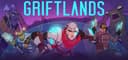
Griftlands immediately distinguishes itself with Klei’s signature art style: a striking blend of hand-drawn animation, sharp lines, and vibrant, yet gritty, color palettes. The character designs are unique and memorable, perfectly complementing the game’s sci-fi, punk-infused aesthetic. Every card, every background, and every character portrait is rendered with careful detail, contributing to a cohesive and atmospheric world. The UI, despite the underlying mechanical complexity, is designed to be clean and intuitive once the initial learning curve is overcome. Critical information is presented clearly, allowing players to make informed decisions without feeling overwhelmed. As a 2D game of this scope, it is also light on hardware demands, a sensible fit for a strategy title where long sessions are the norm.
Platform nuances
As a native Steam release, Griftlands is built around the precision of mouse and keyboard controls. The intricate drag-and-drop mechanics of card play, the careful targeting of arguments in negotiation, and the rapid navigation through menus are all suited to direct pointer input. While gamepads are often adapted for card games, the depth of information and the speed at which decisions need to be made in Griftlands favor the mouse. The PC release feels like the definitive way to engage with its complex systems. The integration with Steam’s ecosystem, including cloud saves and achievements, rounds out a polished package.
Final verdict
Griftlands is not content to simply exist within its genre; it actively seeks to expand its boundaries. Klei Entertainment has delivered something rare: a roguelike deck-builder that is both mechanically profound and narratively compelling. While its initial complexity might daunt the uninitiated, those who persist will discover a world where every card played and every word spoken carries genuine weight. It’s a game that respects player intelligence and rewards strategic thinking, proving that even in a procedural world, a deeply personal story can still emerge. We recommend it wholeheartedly to deck-builder fans with an appetite for narrative—it’s a meaningful evolution for the genre, with reservations that stem from its demands on the player rather than any flaw in its design.
Reviewed by the Rankeno Puzzle & Casual Desk. Scores are out of 10; the overall score is the desk’s editorial judgement, informed by the four sub-scores above. How we review