Bottom Line: Ink Inside delivers a refreshingly charming, if occasionally chaotic, action RPG experience, expertly blending distinct combat with a heartfelt narrative. While its Steam debut was solid, the impending Switch release on December 11, 2025, will be the true crucible for its innovative mechanics and charming aesthetics in a portable format.
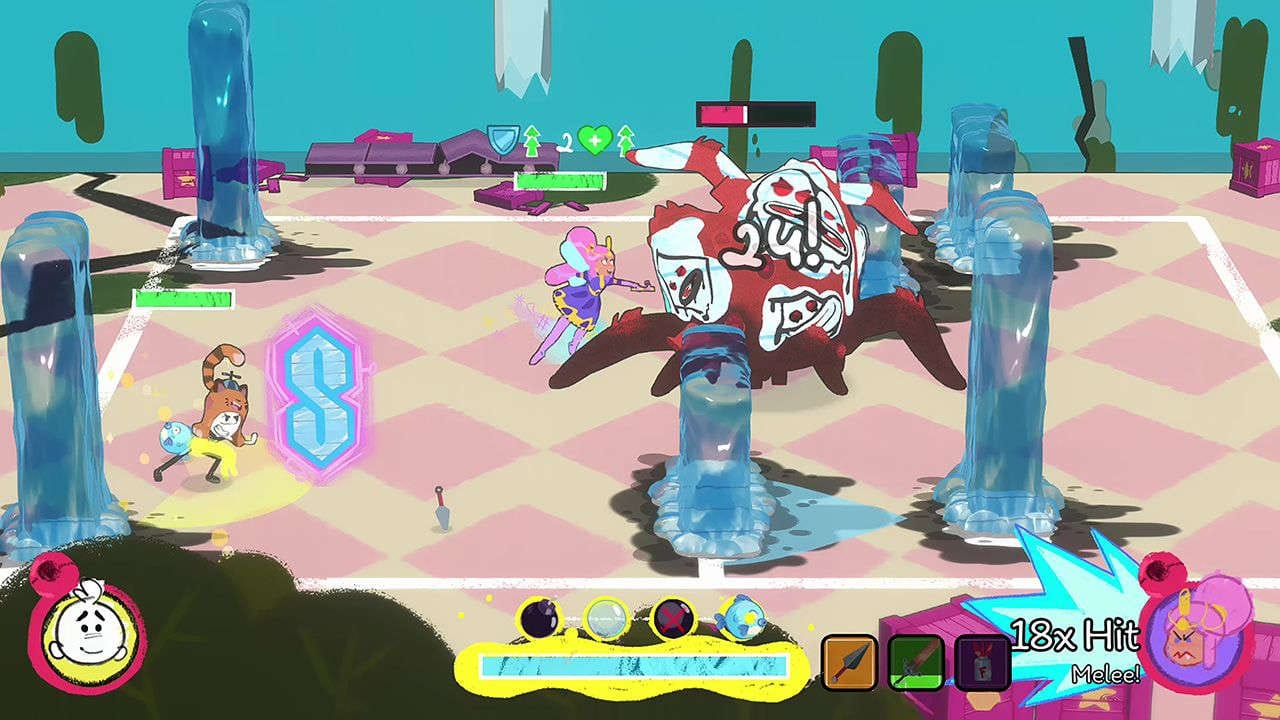
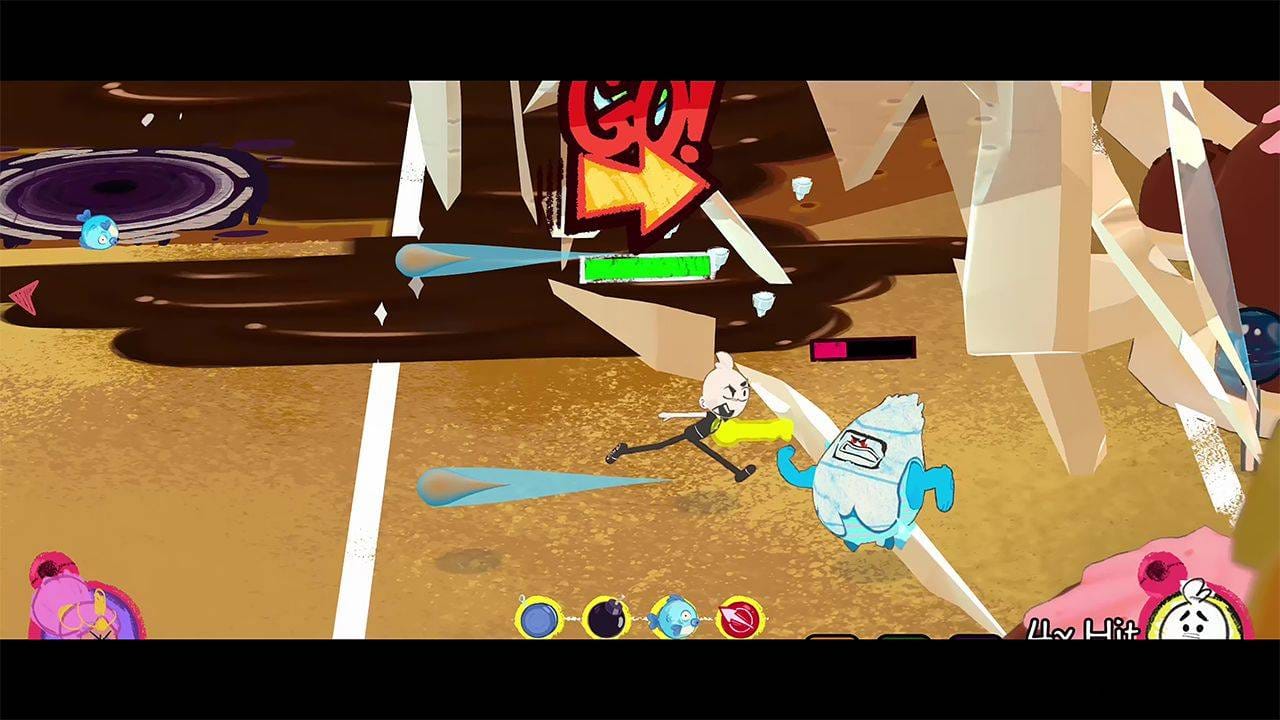
The true triumph of Ink Inside lies in its audacious decision to marry the visceral satisfaction of a beat-em-up with the strategic positioning and projectile dance of dodgeball. This isn't a mere gimmick; it's a fundamental reimagining of action RPG combat. Players, as Stick, aren't just mashing attack buttons; they are constantly assessing environmental hazards, enemy attack patterns, and the trajectory of thrown objects. The "chaotic" descriptor is apt—encounters often devolve into a flurry of fists and hurled items, yet beneath this surface-level pandemonium is a surprisingly deep tactical layer. Understanding enemy tells, timing dodges, and knowing when to close the distance for melee versus keeping foes at bay with ranged attacks becomes paramount. This duality keeps the combat fresh, preventing the monotony that can plague many genre entries. It transforms each skirmish into a dynamic puzzle, requiring split-second decisions and fluid execution.
The story-driven aspect, centered around Hannah's corrupted world and the enigmatic 'Sog,' provides a compelling backbone for this mechanical innovation. The narrative isn't just window dressing; it imbues Stick's journey with purpose. As players navigate environments that morph from innocent playgrounds into twisted distortions, the underlying message of protecting creativity resonates strongly. The fully voiced cast, particularly the contributions of Brian David Gilbert and Deneen Melody, injects a level of charisma and emotional depth often absent in games of this scale. Their performances don't just deliver lines; they breathe life into Hannah's creations and the various denizens of her subconscious, making the fight against 'Sog' feel genuinely personal. This commitment to narrative presentation significantly elevates the overall player experience, transforming what could have been a simple arcade-style brawler into an engaging emotional journey.
User experience flow generally feels intuitive, a commendable feat considering the hybrid combat. Onboarding mechanics subtly introduce each combat facet, gradually increasing complexity without overwhelming the player. The transition between melee and ranged engagements is seamless, testament to robust design. However, the "chaotic" nature, while a deliberate design choice, might occasionally lead to moments of frustration. In larger mob encounters, screen clutter and overlapping visual effects can obscure critical tells or incoming projectiles, momentarily undermining the precision the combat system otherwise demands. This isn’t a deal-breaker, but it hints at a potential area for refinement, particularly as the difficulty scales. The game’s positive reception on Steam suggests that players are largely embracing this controlled chaos, finding satisfaction in mastering its unique rhythm rather than being deterred by its initial freneticism. The blend of discovery, combat, and narrative progression maintains a steady, engaging loop, preventing the player from ever feeling truly lost or bored within Hannah's intricate mindscape.