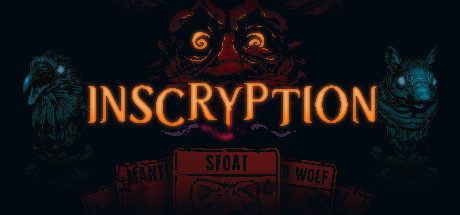
Bottom Line: Inscryption is a masterclass in psychological horror and genre-bending design, a game that plays its players with the same ruthless ingenuity that they use to play its cards.
Inscryption’s genius lies not in any single mechanic but in the flawless and unnerving integration of its disparate parts. The experience is a masterfully paced descent into madness, with each system feeding the oppressive atmosphere and compelling narrative.
The Cabin's Cruel Card Game
At its heart, Inscryption is built on a deckbuilding engine that is both elegant and savage. The central "sacrifice" mechanic is the foundation of its strategic depth and its thematic horror. Drawing a powerful beast like a Grizzly Bear is useless if you have no Squirrels or Stoats on the board to offer up as tribute. This transforms every turn into a series of grim decisions. Do you sacrifice the card that’s been blocking a fatal blow to play an attacker? Do you let a creature die just to clear a space?
The roguelike structure compounds this tension. Each run across Leshy’s game board is a gauntlet of choices: upgrade a card, duplicate another, or risk a dangerous encounter for a rare prize. Death is frequent and punishing. Yet, the game has a clever persistence mechanism. Certain cards can be customized with sigils (special abilities) from other cards, and you can even create "death cards"—grotesque amalgamations of stats from your fallen creatures that may appear in future runs. This ensures that even failure feels like a form of progress, a ghostly fingerprint left on the machine. The AI is unforgiving, and Leshy often feels like he is actively cheating, bending the rules to maintain control. This isn't poor design; it's a deliberate choice that reinforces the power dynamic at the table. You are not just a player; you are a pawn.
A Prison of Puzzles
The ability to push away from the card table and explore the cabin is a stroke of brilliance. The shift to a first-person perspective provides a much-needed break from the intensity of the card game while simultaneously deepening the mystery. The cabin is a treasure chest of secrets, a tactile environment filled with locked drawers, cryptic notes, and strange contraptions. A cuckoo clock, a locked safe, a talking wooden squirrel—each object is a puzzle piece.
The solutions are rarely straightforward and often require keen observation during the card game itself. A clue might appear on a specific card, or a rule Leshy explains might have a double meaning. This creates a powerful feedback loop where progress in the escape-room element grants you advantages at the card table (like a new card or a helpful item), and success in the card game might unlock new areas of the cabin to explore. This symbiotic design ensures that neither part of the game feels disconnected. It all serves one purpose: to immerse you in this chilling world and force you to unravel its logic before it consumes you.
Shattering the Fourth Wall
To discuss the full scope of Inscryption’s narrative is to spoil one of the most compelling and surprising stories in modern gaming. The initial premise of the cabin is merely Act I of a much larger, more ambitious plot. The game is a Trojan Horse. It trains you to master one set of rules only to throw them out the window, forcing you to adapt to entirely new mechanics and aesthetics.
This is where Daniel Mullins' signature style comes into focus. The game's fiction extends beyond the screen, presenting itself as a "found" piece of software with a dark history. This meta-commentary on game design, player expectation, and the nature of digital worlds is woven directly into the experience. It never feels like an academic exercise; it feels like a genuine mystery unfolding in real-time. The game actively anticipates your reactions and subverts them, creating moments of genuine shock and awe that few other titles can match.