
Bottom Line: Iron Lung weaponizes minimalism to create one of the most potent and claustrophobic horror experiences in years. It's a masterful exercise in tension that proves what you can't see is far more terrifying than any monster on screen.
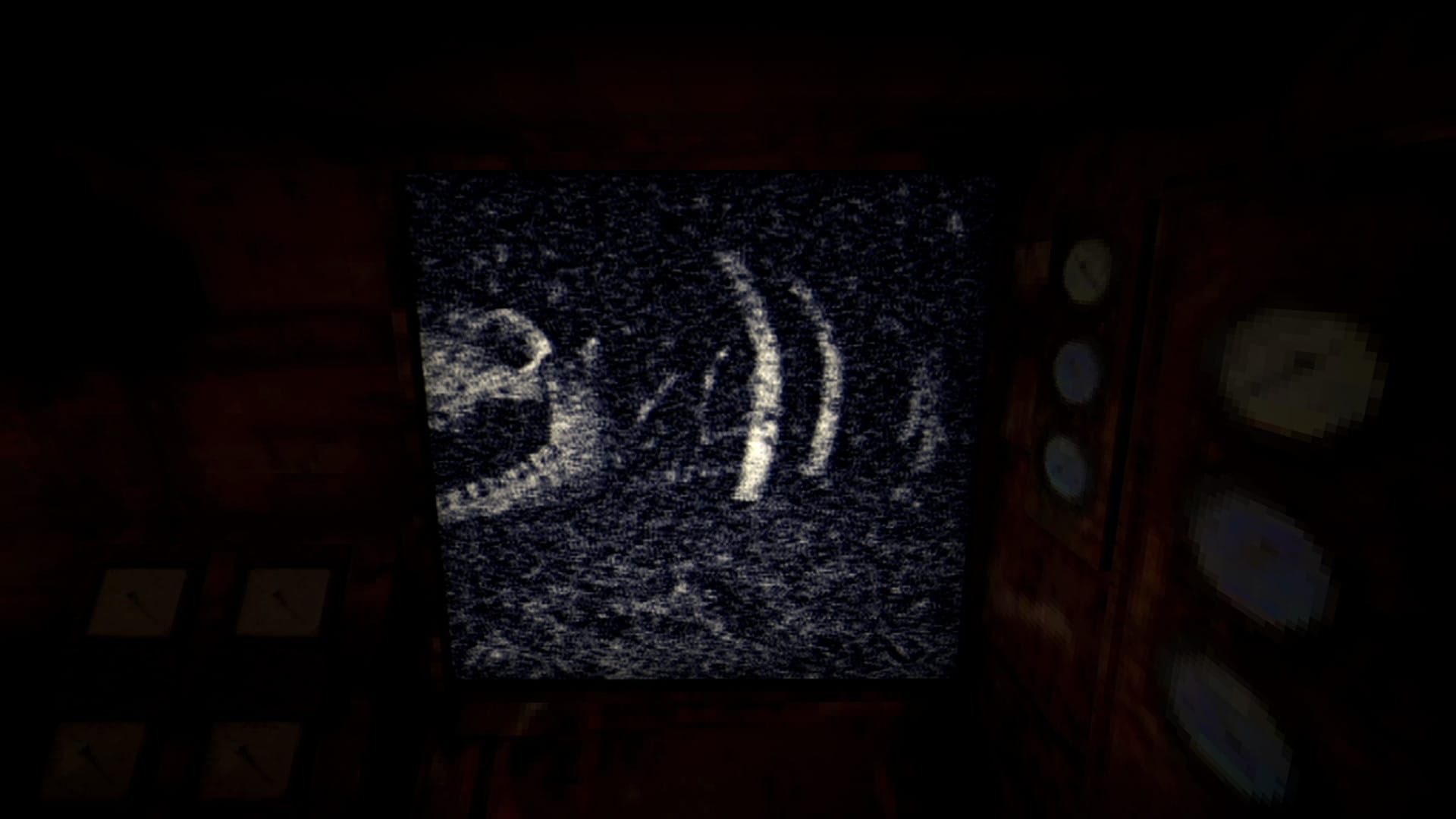
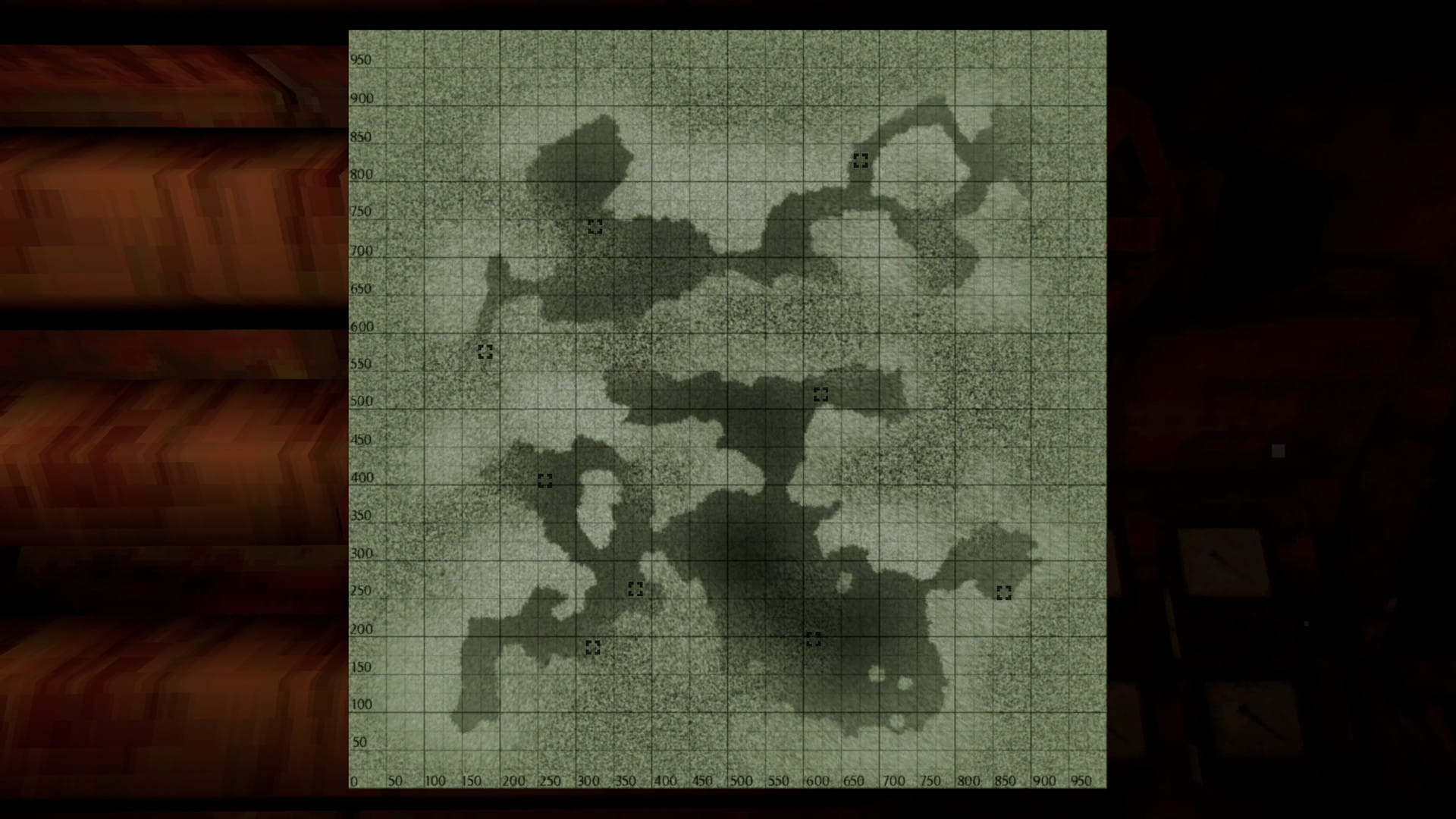
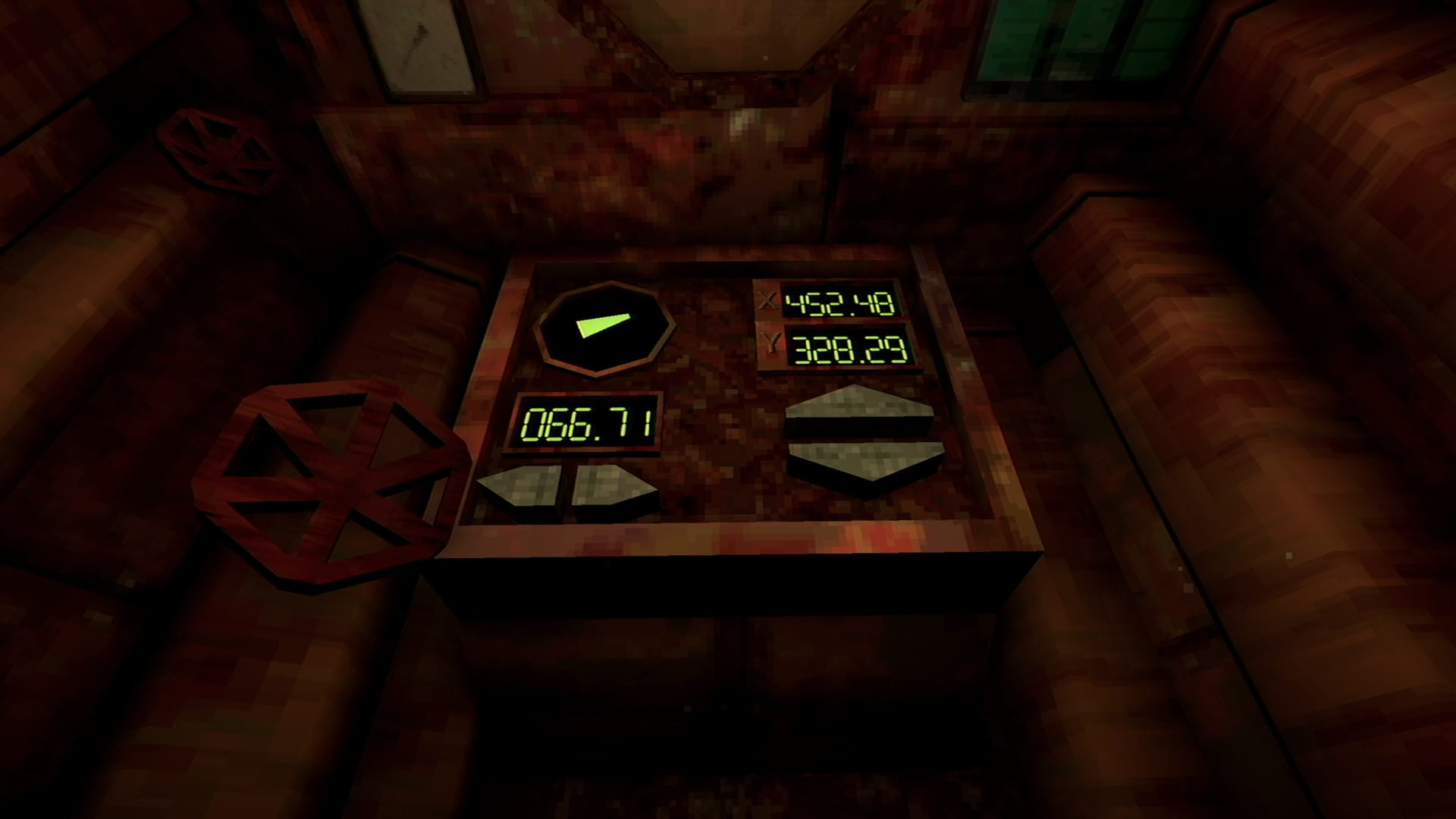
Iron Lung is less played and more endured. Its core gameplay loop is a masterclass in building tension through deliberate friction. You pilot the submarine by entering heading and throttle commands into a simple console. You watch your position update as a single pixel on a map, cross-referencing it with the coordinates of your next objective. When you arrive, you deploy the camera, an action that feels like knocking on a door you know you shouldn't open. The few seconds it takes for the grainy, monochrome image to resolve on screen are some of the most stressful in modern gaming.
The Sound of Silence
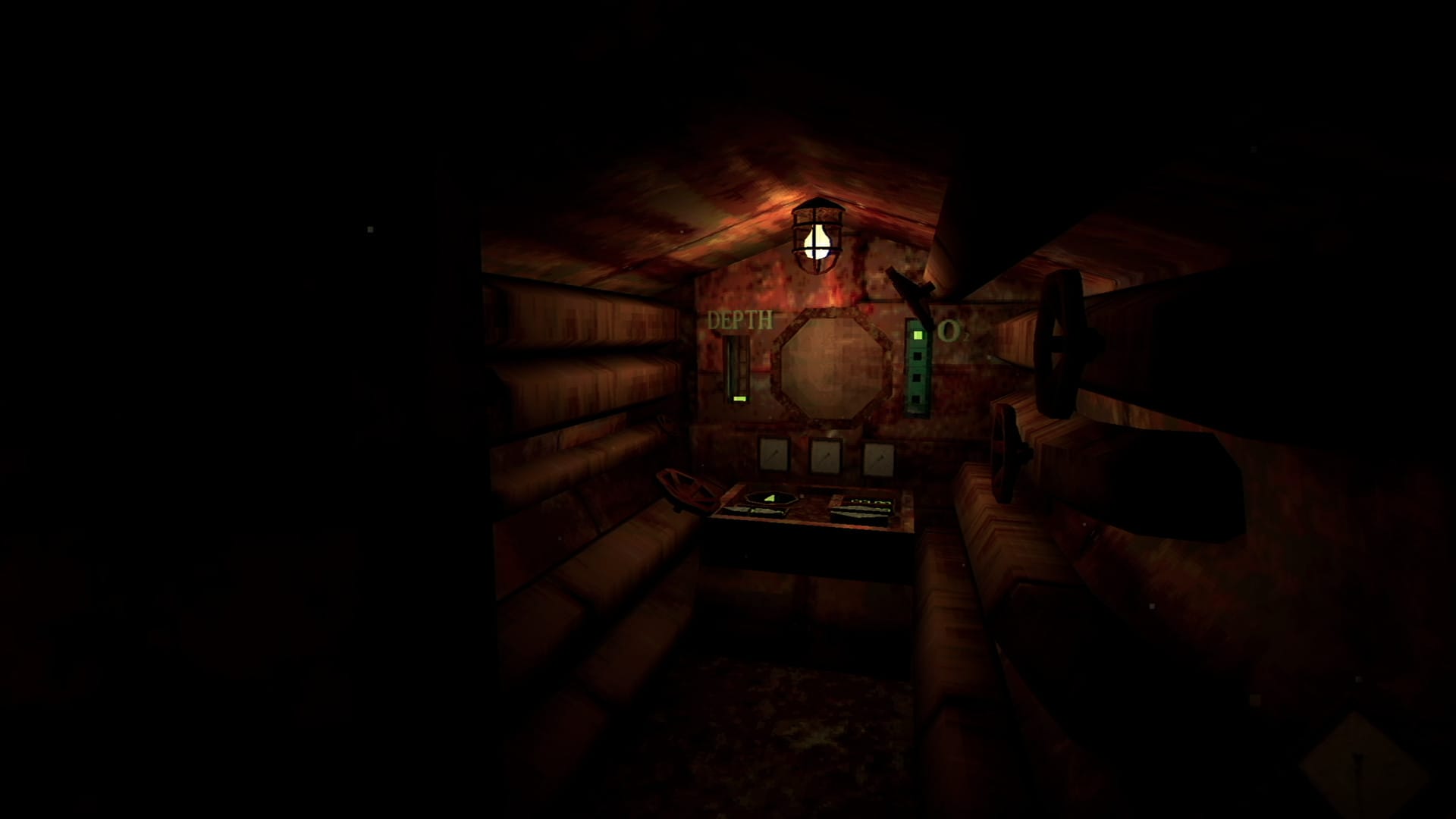
The game’s most powerful weapon is its sound design. The Iron Lung is a character in itself, constantly groaning and creaking under the immense, unseen pressure. Every rivet sounds like it’s about to buckle. This symphony of industrial decay is punctuated by external noises—a distant thud, a strange scraping sound against the hull, or, most terrifyingly, the sudden, sharp report of the proximity sensor indicating something large is nearby. You whip your head around the cockpit, but there is nothing to see. The audio creates phantoms. Szymanski understands that in a sealed metal box at the bottom of an alien sea, silence is not an absence of sound, but an anticipation of it. The soundscape is the monster, and it is always with you.
Hostile by Design
The interface itself is an antagonist. The controls are clunky, the camera is slow, and your own body frequently obstructs the view of a critical gauge. This isn't a flaw; it's the entire point. The struggle to pilot the sub, to get your bearings, and to capture a photograph mimics the desperation of the character. There is no fluid, intuitive UX here. The game resists you. It wants you to feel clumsy, out of your depth, and trapped within a machine that is actively hostile to your survival. Every action is deliberate, and every outcome feels uncertain. This friction is the engine of the game's horror. In a world of "seamless" experiences, Iron Lung proves that seams, when deployed correctly, can be utterly terrifying.