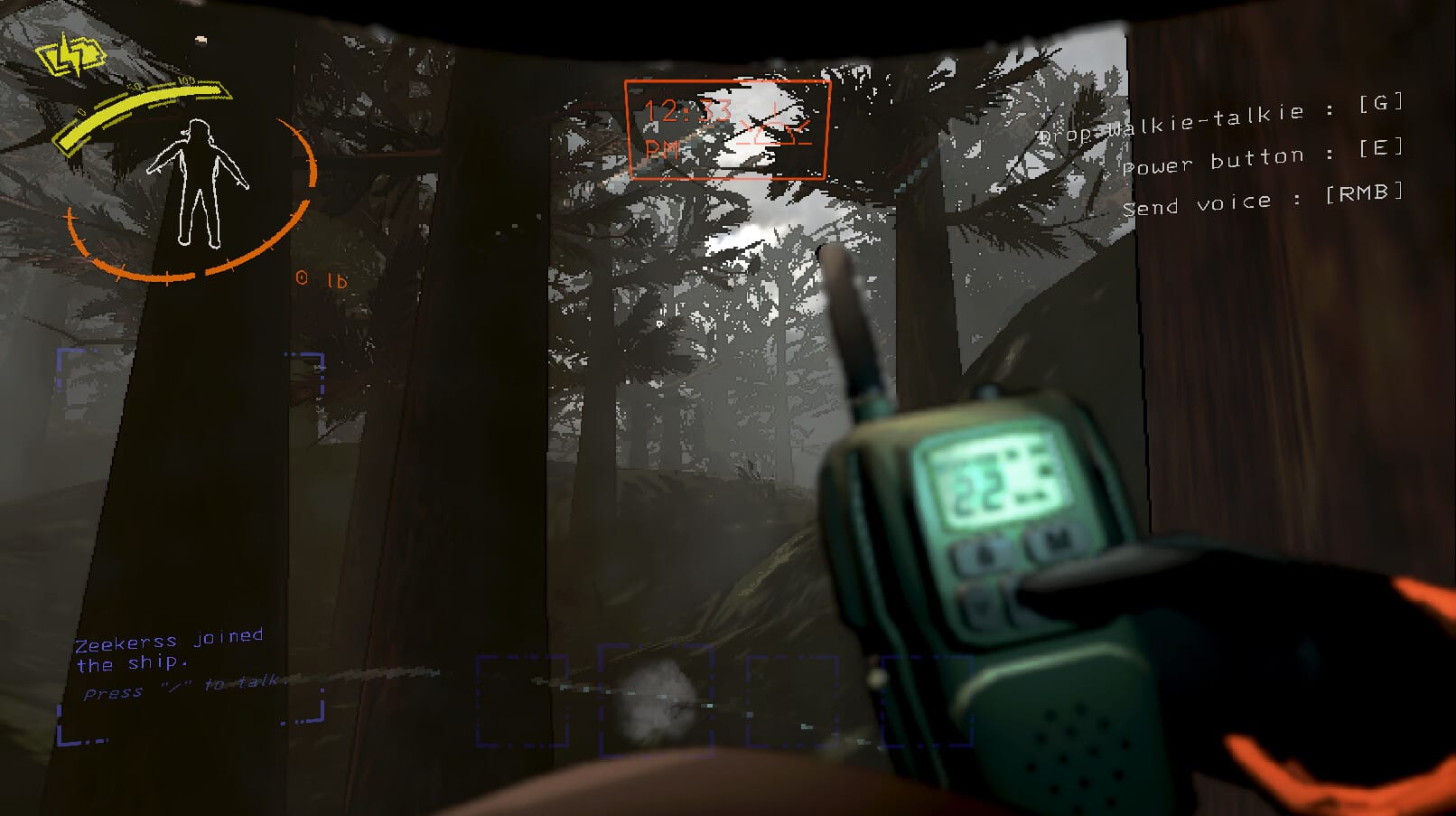

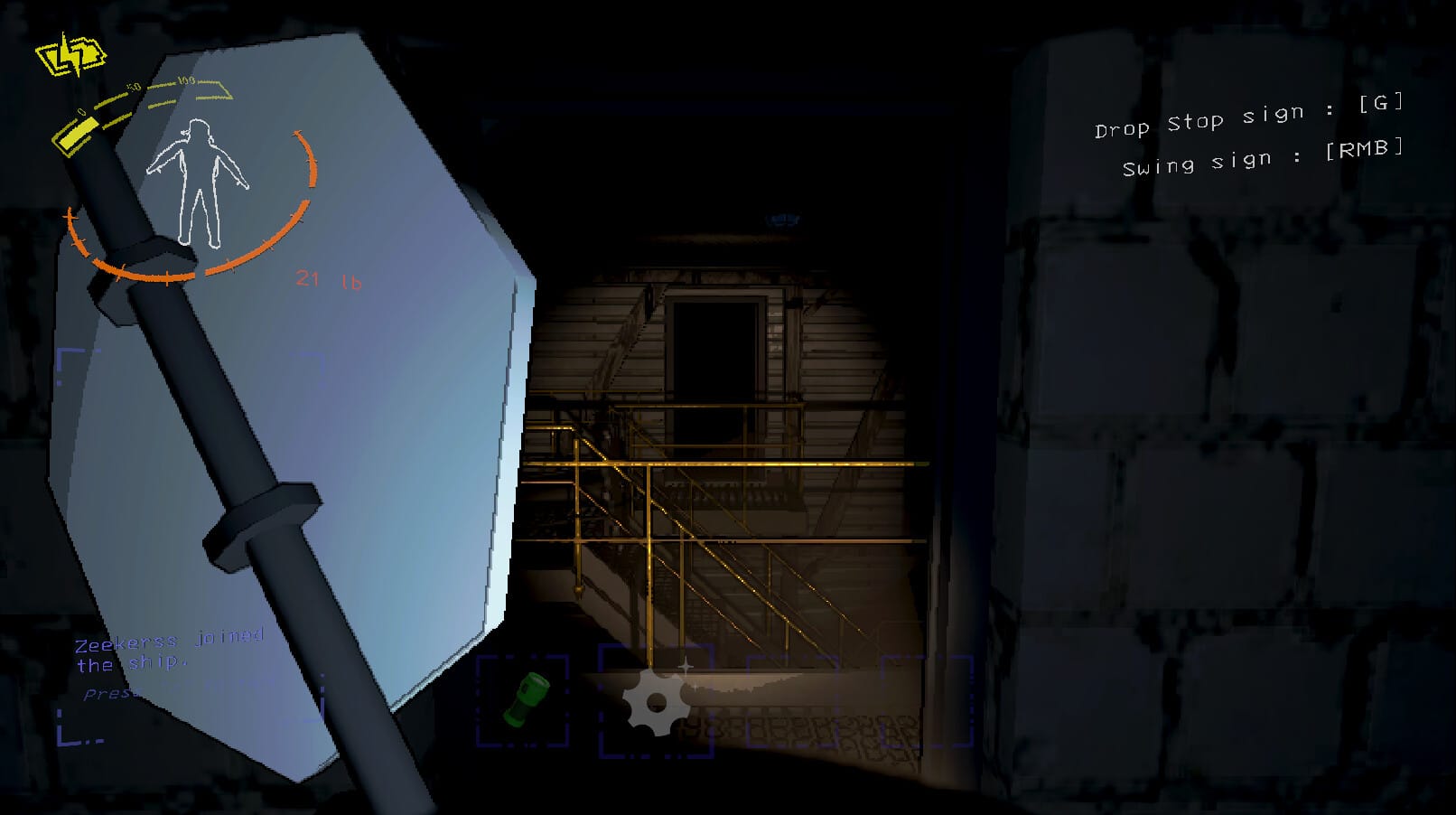
Bottom Line: Lethal Company is a masterclass in minimalist design, a low-fi horror comedy that leverages player interaction to create one of the most compelling, terrifying, and downright funny cooperative experiences in years.
Lethal Company is a testament to the power of intentional, minimalist design. It is a game built not on complex systems, but on a few perfectly tuned mechanics that collide to produce endlessly emergent stories. Its genius lies in what it withholds from the player.
The Horror of Capitalism
The game's central loop is a chillingly effective satire of gig-economy drudgery. You are not a hero; you are a cog in a machine that is indifferent to your survival. The escalating profit quota is a relentless taskmaster, pushing your crew to take bigger risks for diminishing returns. Do you risk one more delve into the facility for a piece of scrap that might put you over the top, knowing a sightless dog-like creature is patrolling the entrance? This constant cost-benefit analysis creates a specific, palpable form of dread. It's not just about jump scares; it's about the slow-burn anxiety of a looming deadline. The true monster isn't the Bracken hiding in the dark; it's the balance sheet. This structure provides a powerful intrinsic motivation that feels far more compelling than a traditional, scripted narrative.
The Comedy of Errors
For all its horror, Lethal Company is one of an elite few games that can produce genuine, out-loud laughter. The primary source is the proximity voice chat. A teammate wandering too far becomes an isolated, vulnerable point of failure. The desperate, fading shouts for help as they're dragged away by a monster are equal parts terrifying and darkly hilarious. Coordinating tasks that should be simple, like carrying a large object that requires two people, becomes a farcical ballet of miscommunication. One player will drop their end to check a room, leaving the other stranded and yelling. A perfectly good run can be ruined by a single player getting lost, and the ensuing chaos as the team tries to find them is the heart of the experience. It's a system that organically generates the kind of "you had to be there" moments that other games can only hope to script.
A Masterclass in Emergent Narrative
The combination of procedural generation, a varied bestiary, and player agency means no two expeditions are the same. The game provides the stage, the props, and the antagonists; the players write the script. One run might be a tense, stealth-focused affair. The next might descend into a slapstick comedy of errors as the crew is chased by a giant, and the only survivor makes it back to the ship just in time for it to automatically depart, leaving their friends to the horrors of the moon. These are not cutscenes; they are the direct result of the game's systems interacting with player decisions. The active modding community, born from the game's immediate success, has only amplified this, adding new creatures, items, and quality-of-life improvements that extend the game's already significant replayability.