
Bottom Line: Simogo’s "Lorelei and the Laser Eyes" is a meticulously constructed, intensely cerebral puzzle adventure that eschews hand-holding for intellectual rigor, delivering profound satisfaction to those who embrace its unique challenges.
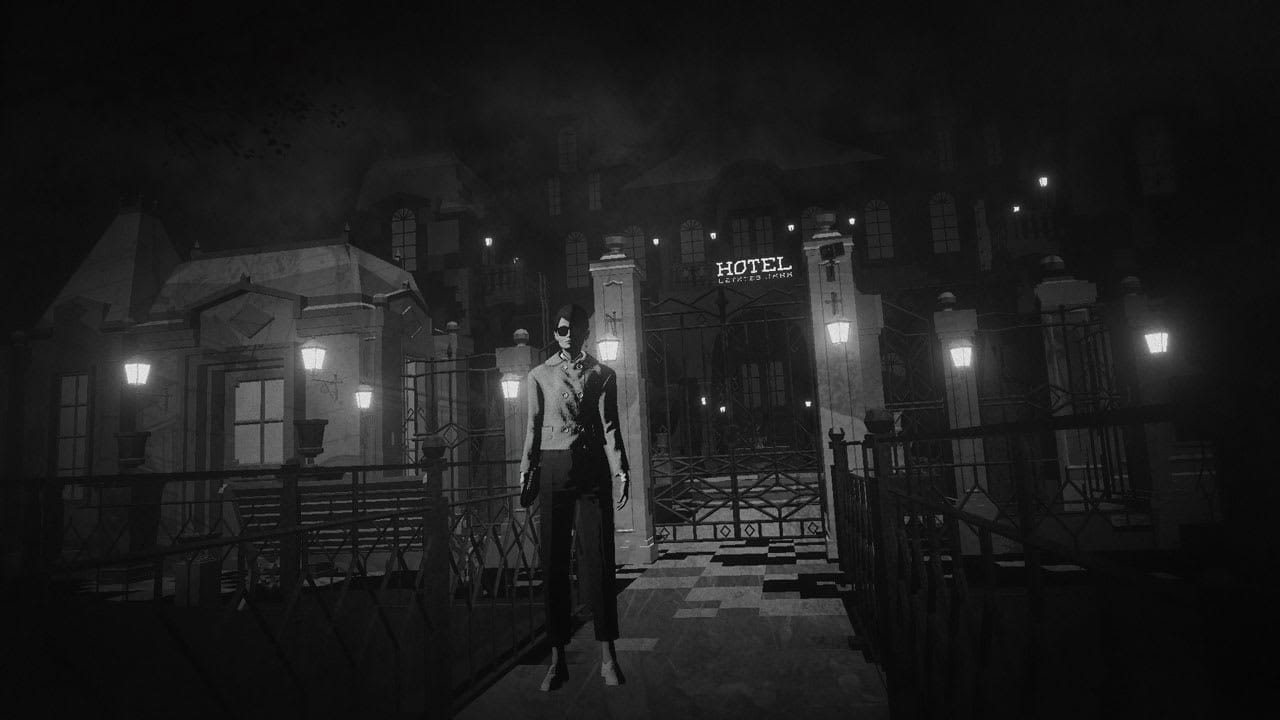
"Lorelei and the Laser Eyes" is less a game to be played and more a meticulous academic exercise to be undertaken, albeit one draped in a cloak of unnerving surrealism. Simogo has engineered an experience that venerates the player's intellect, actively resisting the modern trend of constant signposting and immediate gratification. The gameplay loop is one of relentless observation, deduction, and iterative problem-solving. Players are dropped into the labyrinthine confines of a European hotel, a structure that functions as a single, colossal, multi-layered enigma. Every corridor, every portrait, every seemingly innocuous object can harbor a clue, a cipher, or a piece of the overarching, fragmented narrative.
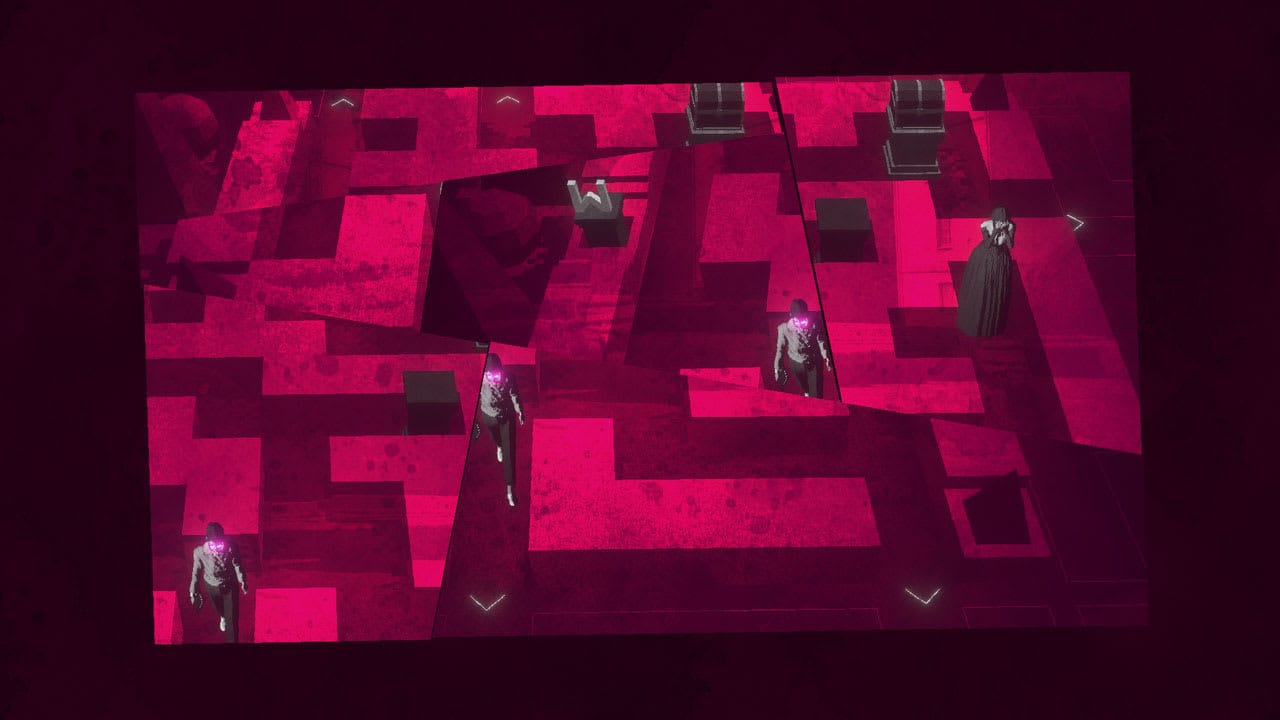
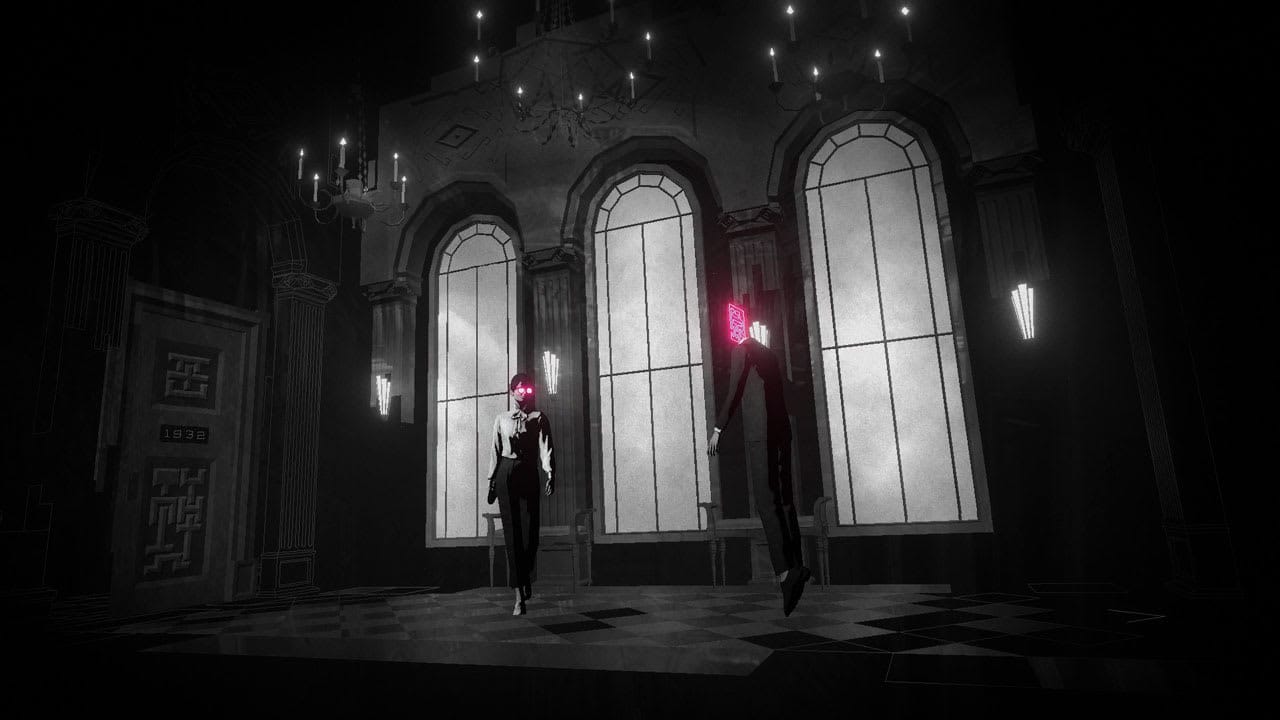
The brilliance of its puzzle design lies in its diegetic integration. Codes are not abstract pop-ups but are woven directly into the environment—a date on a calendar, a pattern in wallpaper, a seemingly random sequence of lights. This necessitates a fundamental shift in player mindset; one must become a detective, not merely a button-presser. The requirement for external note-taking is perhaps the most audacious design choice, yet it is also its most potent. It externalizes the player's cognitive process, transforming the act of play into a tangible, physical engagement. Your desk, littered with hastily scrawled symbols and cross-referenced numbers, becomes an extension of the game world itself. This approach not only deepens immersion but also provides a powerful sense of accomplishment when disparate pieces of information finally coalesce into a solution.
The narrative structure is intentionally elusive, delivered in disjointed fragments and unsettling vignettes. There is no expository monologue or neatly packaged backstory. Instead, the story unfolds through deciphered documents, enigmatic conversations, and the slow, arduous process of piecing together context from environmental cues. This non-linear storytelling works in tandem with the puzzle design, ensuring that progress in understanding the plot is directly proportional to the player's ability to unravel the hotel’s mysteries. It's a masterclass in ludonarrative harmony, where the act of play is the act of uncovering the story.
Yet, this dedication to intellectual rigor is not without its potential friction points. The minimal hand-holding, while ultimately rewarding, can be a steep barrier for some. Players accustomed to more immediate feedback or clearer objectives may find the initial hours frustrating, even obtuse. "Lorelei" demands patience, a willingness to backtrack, and an almost obsessive attention to detail. It's a game that respects its audience enough to let them fail, to let them wander lost until the pieces finally click. This design philosophy cultivates a profound sense of earned mastery; every solved puzzle feels like a genuine intellectual victory, a testament to the player's perseverance rather than adherence to a guided path. Simogo doesn't just present puzzles; it presents a philosophy of engagement.