
Bottom Line: Wrong Organ’s space-horror debut is a brutal, non-linear descent into madness that trades cheap jump scares for a haunting, visceral examination of human collapse and corporate indifference.
To understand Mouthwashing, you have to understand the specific type of misery it peddles. This is not the "fun" horror of a haunted house; it is the suffocating horror of a failing marriage or a terminal diagnosis. The gameplay loop is deceptively simple: you navigate the cramped, grimy corridors of the Tulpar, perform menial tasks, and interact with a crew that is rapidly losing its grip on reality. But the simplicity is the point. By stripping away complex mechanics, Wrong Organ forces you to focus entirely on the narrative friction.
The Architecture of Trauma
The non-linear storytelling is the game’s strongest asset. One moment, you are celebrating a birthday with a stale cake and forced corporate cheer; the next, you are scavenging for medical supplies in a room that looks more like a slaughterhouse than a medbay. This back-and-forth creates a profound sense of narrative irony. You see the seeds of resentment being planted in the past, knowing full well how they bloom into violence in the future. It’s a master class in pacing, ensuring that the player is never comfortable and always questioning the reliability of their own perspective.
The characters—Jimmy, Anya, Swansea, and Daisuke—aren't heroes. They are cogs in a corporate machine that doesn't care if they live or die, provided the cargo is secure. This critique of corporate indifference is baked into the very walls of the ship. The "Polonia" logos plastered everywhere serve as a constant reminder that the crew's lives were auctioned off long before the captain turned the wheel.
Mechanical Minimalism
If there is a point of contention, it’s in the mechanics. The puzzles are basic—bordering on trivial—and the "gameplay" often feels like a delivery system for the next story beat. There are segments that feel a bit clunky, particularly when the game attempts more traditional "action" or stealth sequences. However, viewed through the lens of the genre, this clunkiness almost feels intentional. It reinforces the feeling of being trapped in a body and a ship that are both failing.
The interface is sparse, keeping the focus on the environmental storytelling. You find notes, examine trash, and listen to the increasingly erratic dialogue of your colleagues. The game doesn't hold your hand; it drags you by the collar through its most disturbing moments. The horror here is visceral, often revolving around the captain—a man who is little more than a pile of bandages and a single, staring eye. He is the ultimate symbol of the game's central theme: the survival of the body long after the soul has been extinguished.
The Surreal and the Mundane
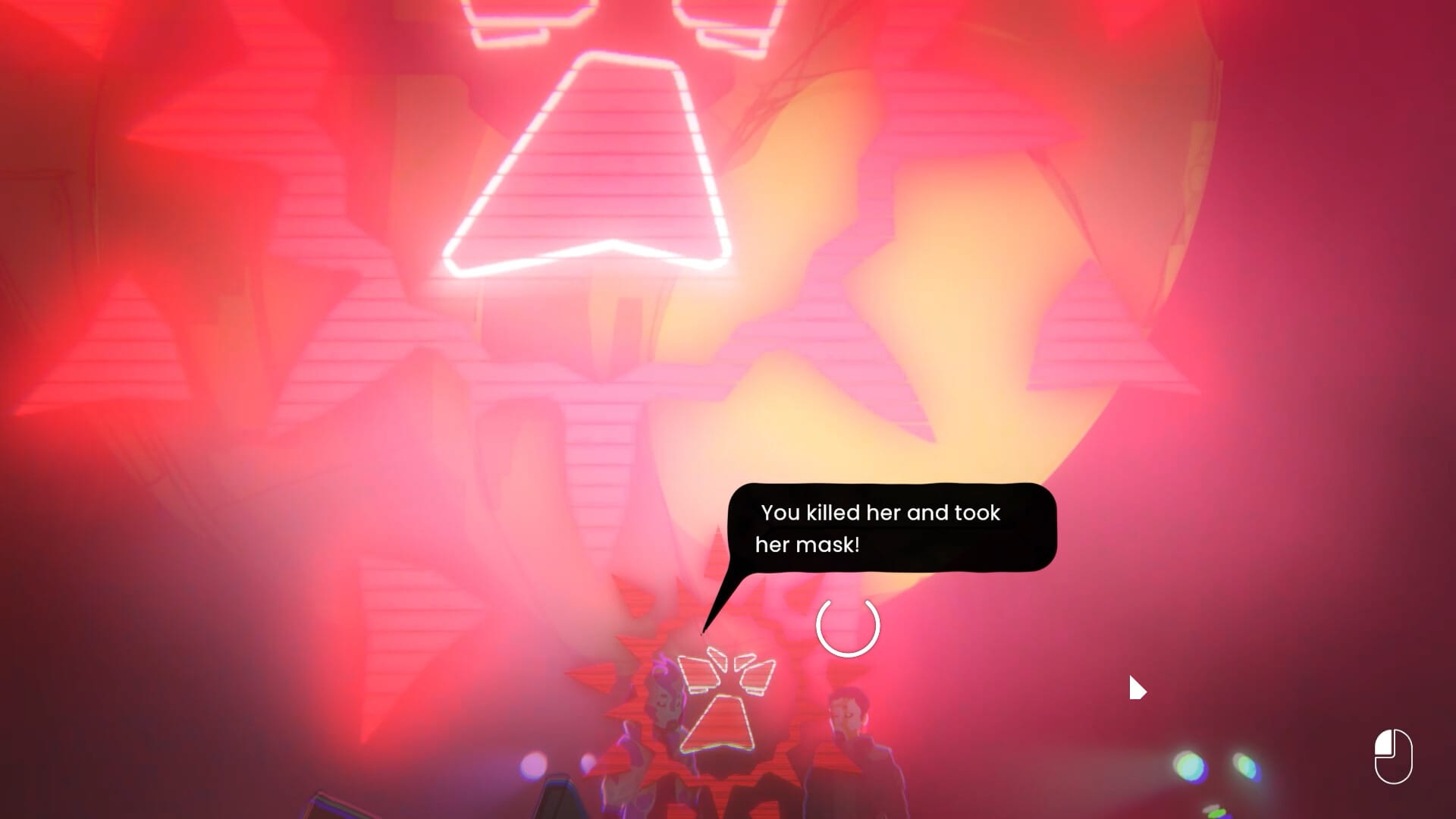
Mouthwashing excels at blurring the line between reality and hallucination. As the oxygen thins and the hunger sets in, the Tulpar begins to warp. Surreal sequences break the monotony of the freighter’s halls, offering glimpses into the characters' fractured psyches. These moments are where the visual direction truly shines, using the jagged edges of the low-poly models to create shapes that feel "wrong" in a way that modern 4K textures can't capture. It’s a reminder that horror is often more effective when the brain has to fill in the gaps.