



Bottom Line: NORCO is a masterclass in interactive storytelling, a corrosive and beautiful Southern Gothic journey that uses the point-and-click format to explore the ghosts of industrial capitalism. It's an essential, unforgettable experience.
NORCO’s brilliance lies in how its systems coalesce to serve the central narrative. The actual gameplay loop is straightforward, and anyone with a passing familiarity with the adventure games of the '90s will feel right at home. You guide Kay through beautifully rendered, static screens, clicking on objects and people to gather information, advance dialogue, and occasionally solve a simple puzzle. There are no complex inventory shenanigans or obtuse logic puzzles designed to halt your progress. The friction is narrative, not mechanical. The developers made a conscious choice to prioritize immersion and storytelling over challenge, and it's the correct one. The game wants you to soak in its world, to read the text, to feel the weight of its atmosphere. A mind-map mechanic helps track the sprawling connections between characters, factions, and memories, a necessary tool for a plot that often feels like a fever dream.
A Tale of Two Louisianas
The narrative itself is the game's towering achievement. It operates on multiple levels: a compelling family drama, a knotty sci-fi mystery, and a furious critique of the petro-industrial complex. The writing is exceptional, avoiding easy answers and moral binaries. Characters are broken, contradictory, and memorable. They speak in a dialect that feels authentic, their dialogue trees branching into philosophical musings, local folklore, and raw, painful confessions. The game’s willingness to get weird—to lean into its sci-fi and even supernatural elements—prevents it from becoming a dry polemic. Instead, it feels like a modern myth, a story about the ghosts that linger in a poisoned landscape. It explores profound themes of grief, faith, and the crushing momentum of capitalism with a sophistication rarely seen in the medium. While some have found the plot occasionally convoluted, its detours and ambiguities feel deliberate, reflecting the disorienting reality of its characters' lives.
The Art of Decay
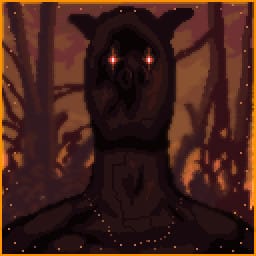
The game's visual presentation is a triumph of lo-fi artistry. The pixel art isn't a retro affectation; it's a core part of the game's identity. The artists at Geography of Robots use a limited palette and chunky pixels to create scenes of breathtaking, haunting beauty. A sunset over a refinery, the cluttered interior of a suburban home, the eerie glow of a swamp at night—every screen is a carefully composed painting. This aesthetic choice forces the player's imagination to fill in the gaps, making the world feel more vast and mysterious than a photorealistic rendering ever could. The visuals perfectly capture the game’s central theme: a world that is simultaneously beautiful and toxic, natural and grotesquely artificial.