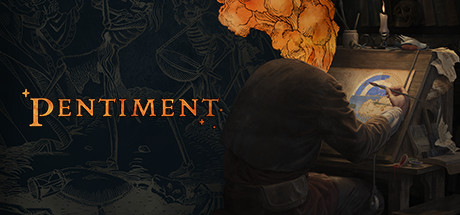
Bottom Line: Obsidian Entertainment's Pentiment is a masterwork of narrative design, a slow-burn historical thriller that trades the sword for the pen and proves the power of choice in a world rendered as a living manuscript.
The Burden of Choice
Pentiment's core mechanical thesis is that choices are not about finding the "right" answer, but about living with the one you pick. The initial murder investigation sets the template. You are given a limited number of days to poke around the abbey and town, interviewing monks, peasants, and nobles. Each activity, from sharing a meal with a family to digging through the abbey's library, consumes precious time. It is impossible to follow every lead. This is not a design flaw; it is the central pillar of the experience. The game forces you to make decisions based on incomplete information, mirroring the very real limitations of pre-modern justice.
The true weight of this system doesn't become apparent until you must name a culprit. You will almost certainly not be 100% sure. You'll have suspects, motives, and clues, but the "truth" remains tantalizingly out of reach. You make your accusation, a person is punished, and the story moves on. The brilliance of Pentiment is what happens next. Years later, in the game's second and third acts, you see the fallout. The family of the person you condemned may be destitute and harbor a deep-seated hatred for you. The true killer, if you chose wrong, may have gone on to commit other sins, their secret guilt twisting them into something monstrous. The narrative doesn't just branch; it fractures and reforms, scarred by your decisions. This creates a profound sense of accountability that few games ever achieve.
A World Etched in Ink
The game's interface and presentation are inseparable from its narrative. The world of Tassing is presented as a vibrant, interactive book. The art, inspired by sources like the Nuremberg Chronicle, is stunningly effective. It's not just a visual gimmick; it informs the entire experience. Different fonts denote a character's social standing and education level—a learned monk speaks in elegant, printed script, while a gruff peasant's words are scrawled in a rougher hand. Clicking on certain terms brings up glossary entries, a seamless way of providing historical context without breaking immersion.
This focus on the written word is Pentiment’s greatest strength and its most significant barrier to entry. There is a tremendous amount of reading. If you are not prepared to engage with long, branching conversations about theology, town politics, and agricultural practices, you will be bored. But for those willing to invest, the writing is superb. The characters are not archetypes but flawed, complex individuals whose beliefs and motivations are shaped by their world. The dialogue is sharp, intelligent, and deeply human. It is a game that respects the player's intelligence, trusting them to navigate its complexities without intrusive hand-holding.