

Bottom Line: Ahr Ech's "Pepper Grinder" isn't merely another pixel-art platformer; it's a masterclass in mechanical innovation, leveraging a unique drilling mechanic to redefine movement and environmental interaction in the 2D space.
"Pepper Grinder" emerges as a potent reminder of how a single, well-executed mechanic can elevate an entire genre. The Grinder, Pepper's titular drilling device, isn't just a gimmick; it’s the kinetic heart of the experience, fundamentally reshaping how players perceive and interact with the 2D platforming landscape. Gone are the static ledges and predictable jump arcs; in their place, a world of dynamic, deformable terrain awaits, transforming every level into a playground of potential.
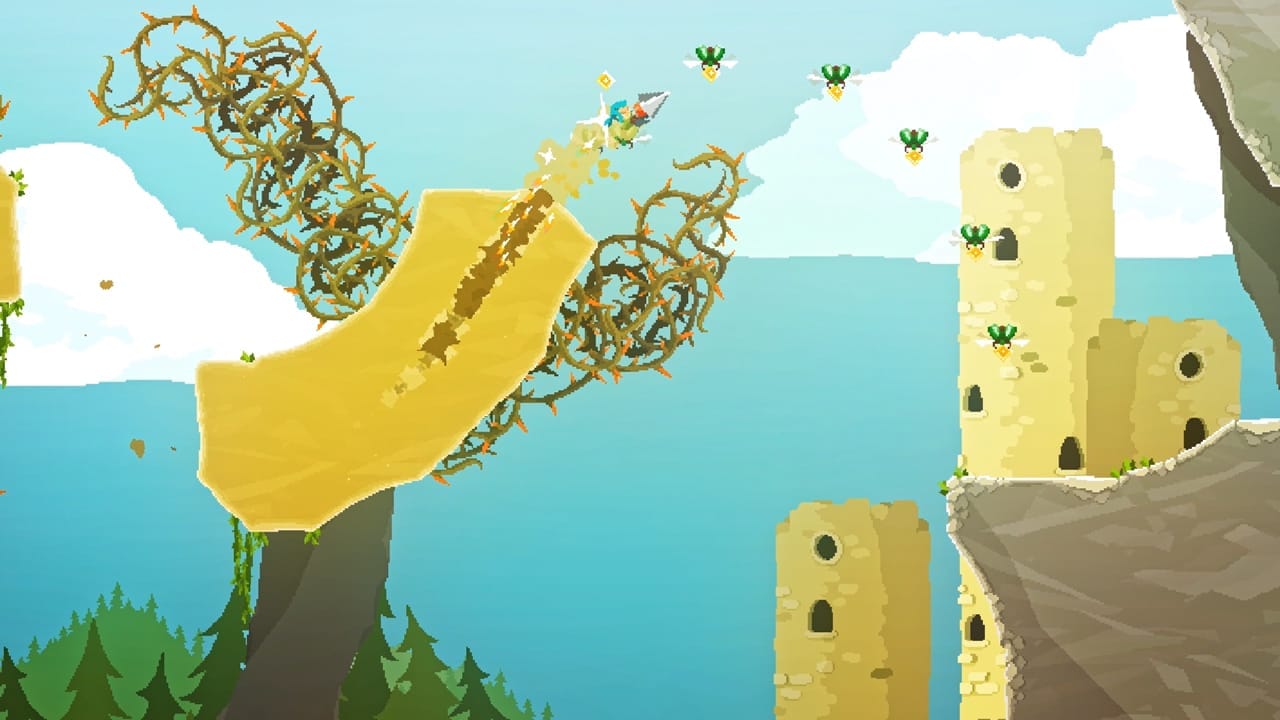
The immediate impact of the drilling mechanic is profound. Movement ceases to be a mere act of translation across a horizontal plane; it becomes a ballet of calculated burrowing, explosive emergence, and acrobatic aerial maneuvers. The fluid transition from tunneling through earth to launching into a precise double-jump, or from carving a path through a submerged section to bursting onto solid ground, is nothing short of exhilarating. This seamless integration ensures that the player is constantly engaged, not just in navigating obstacles, but in actively sculpting the path forward. The controls, lauded by early adopters, feel remarkably tight and responsive, crucial for a game that demands such precise inputs. Misjudging a drill-boost or an emergent jump often results in immediate, yet rarely frustrating, failure—a hallmark of expertly designed "gritty" gameplay.
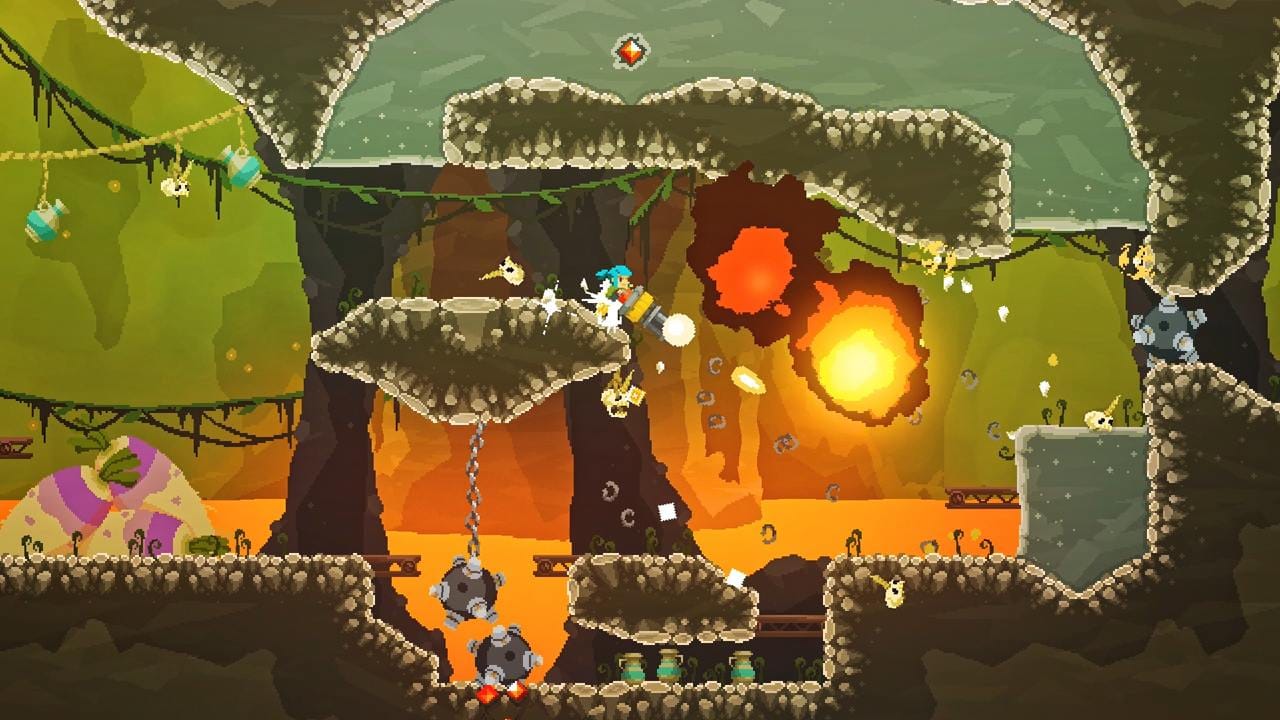
Beyond traversal, the Grinder subtly expands its utility into environmental puzzle-solving. Certain sections demand not just brute force drilling, but strategic manipulation of the landscape, or even the control of specific machinery using the Grinder's power. This prevents the core mechanic from becoming monotonous, offering clever variations that test both reflexes and spatial reasoning. The game's design consistently finds new ways to leverage this central concept, whether it's navigating intricate underground mazes, using momentum to shatter fragile barriers, or redirecting water flows to reveal hidden passages. The exploration component, fueled by the hunt for jewels, reinforces this loop. These aren't just arbitrary collectibles; they are the currency of progression, unlocking new power-ups and access to previously gated areas, creating a satisfying feedback loop that rewards curiosity.
The narrative, a classic tale of treasure lost and reclaimed, provides a sufficient backdrop without ever overstaying its welcome. The mischievous Narlings serve their purpose as antagonists, providing varied enemy encounters that often require intelligent use of the Grinder—be it for direct combat, evasion, or environmental hazard manipulation. What "Pepper Grinder" truly excels at is its core gameplay loop: the intoxicating rhythm of drilling, leaping, fighting, and discovering. It’s a cycle that feels inherently rewarding, each successful sequence building upon the last with a sense of earned accomplishment. This is a game that respects the player's intelligence, offering challenges that are demanding but always fair, underpinned by mechanics that are easy to grasp but difficult to master. The meticulous level design, which cleverly integrates the unique drilling abilities into every challenge, is what truly sets it apart from its contemporaries, delivering a fresh perspective on what a 2D platformer can be.