
Bottom Line: Pokémon UNITE offers a brilliantly streamlined and accessible take on the modern MOBA, but its aggressive monetization strategy casts a long, pay-to-win shadow over its competitive integrity.
The 10-Minute Dopamine Hit
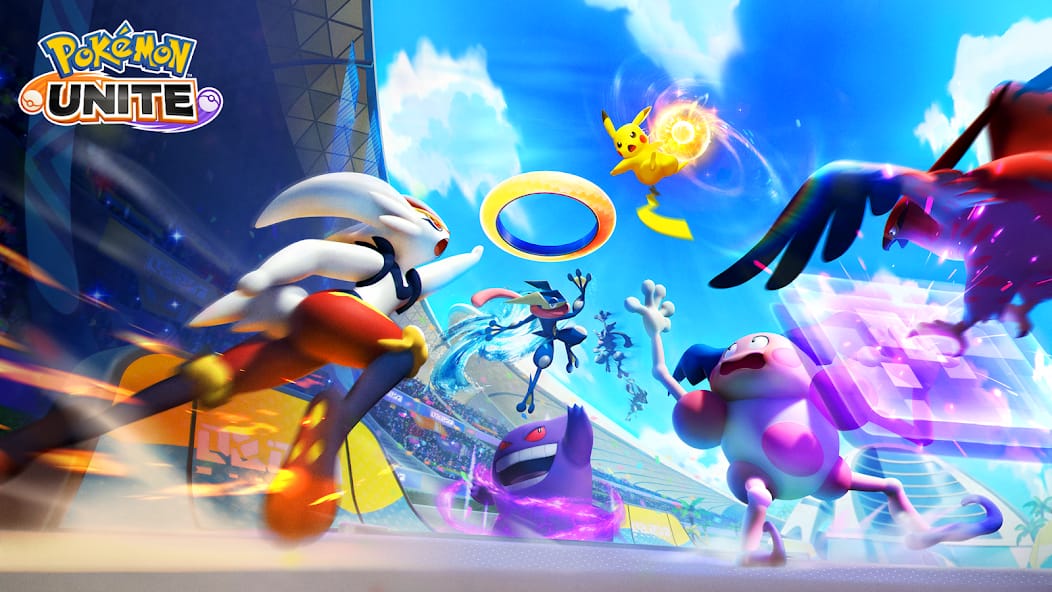
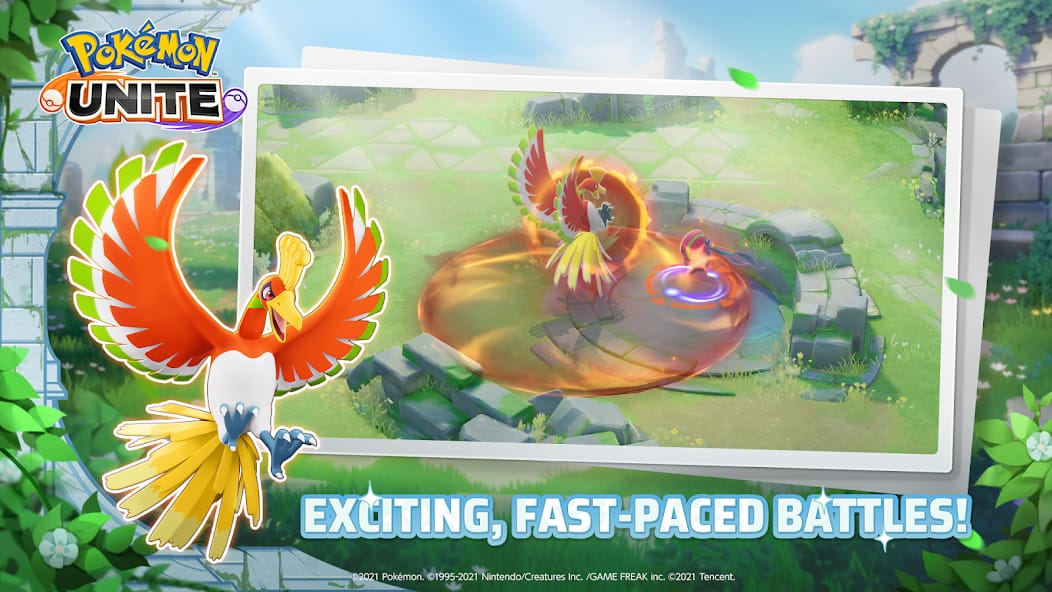
The single most radical and successful design choice in Pokémon UNITE is its 10-minute match timer. It’s a decision that re-engineers the entire MOBA experience from a marathon of attrition into an all-out sprint. The onboarding friction is almost nonexistent. There’s no need to study encyclopedic item lists or practice the tedious art of farming minions for gold. You pick a Pokémon, you enter an arena, and you fight. The immediate feedback is potent and gratifying. Defeating a wild Aipom, collecting its energy, and dunking it into a goal provides a clear, visceral sense of progress.
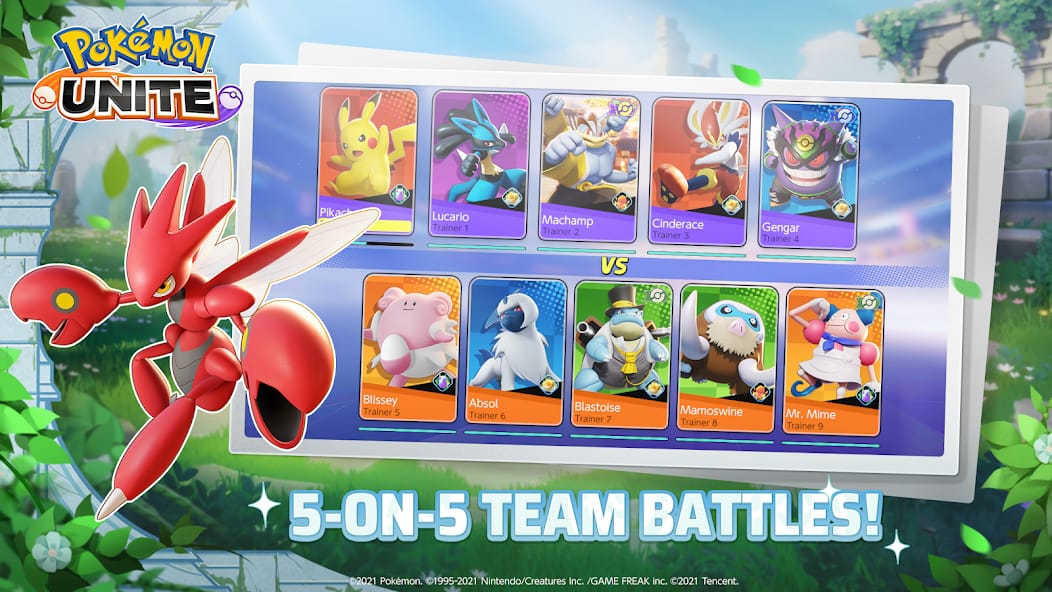
This condensed format makes UNITE an exceptional mobile experience. It respects the player's time, offering the strategic thrill of a team-based battle without demanding a 45-minute commitment. The game strips away the genre's accumulated cruft, focusing purely on positioning, timing, and teamwork. Evolutions serve as a natural power curve, granting access to more complex moves as the match escalates. It’s a brilliant, self-contained arc of rising action that climaxes in the final two-minute "Final Stretch," where all points are doubled and one last, desperate team fight can erase a dominant lead. For the first few hours, this loop feels almost perfect—an elegant and modern take on a genre that has long struggled with accessibility.
The Pay-to-Win Elephant in the Room
The brilliance of the core loop makes the game’s central flaw all the more glaring. While UNITE is free-to-play, its monetization model directly intersects with player power in a way that feels cynical and predatory. The issue lies with the Held Items system. These are equippable items that grant passive statistical bonuses—more attack power, faster cooldowns, increased health. Each of these items can be upgraded 30 times, with each upgrade tier providing a marginal but meaningful boost. The resources for these upgrades are earned through gameplay at a glacial pace. Or, naturally, they can be purchased with real money.
A player who has spent money to max out their Held Items has a direct, undeniable mathematical advantage over a free-to-play user. In a genre predicated on skill and strategy, this is a cardinal sin. It creates a palpable power imbalance that taints every competitive interaction. Did your Cinderace lose that duel because you were outplayed, or because the enemy’s Muscle Band was ten levels higher than yours? That seed of doubt corrodes the integrity of the entire ranked ladder. While it’s possible to climb the ranks without spending, the grind is punishing, and the temptation to pay for an even playing field is immense. This isn't just about selling fancy hats; it's about selling power. The game wants to be a serious esport, but it can't be taken seriously while this system remains in its current form.
Unbalanced by Design
This economic imbalance is compounded by a gameplay one: the power of the final objective. The boss Pokémon that appears in the center of the map at the eight-minute mark (currently Rayquaza) provides a massive, often game-ending, advantage to the team that defeats it. This single objective can grant a shield and make goals indefensible, allowing a losing team to score hundreds of points in seconds and snatch victory from the jaws of defeat. While comeback mechanics are a staple of the genre, UNITE’s implementation is so potent that it can feel like the preceding eight minutes of strategic play were irrelevant. It’s a system designed for maximum drama, but it often comes at the expense of strategic coherence, rewarding a single moment of luck or brute force over a consistent, match-long performance.