
Bottom Line: An imperfect but profoundly atmospheric journey into a post-cataclysmic nightmare, S.T.A.L.K.E.R.: Shadow of Chernobyl forged its own path, blending tactical FPS combat with a pervasive sense of survival horror and an unforgettable, oppressive world. Its technical rough edges are overshadowed by its raw, visionary ambition.
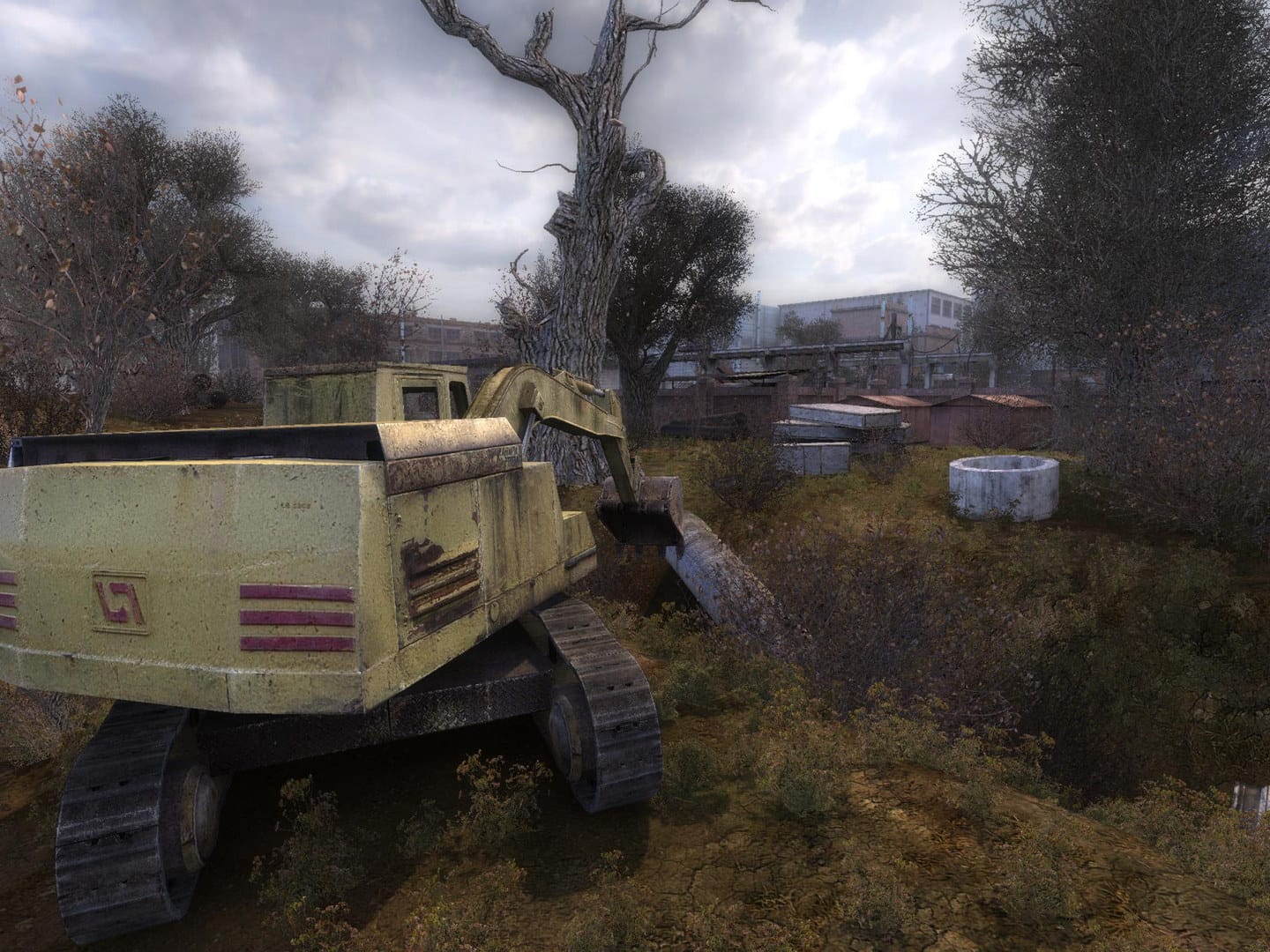
The enduring appeal of S.T.A.L.K.E.R.: Shadow of Chernobyl lies not in its technical polish – which, even at launch, was contentious – but in its profound sense of place and atmosphere. Stepping into the Zone is like entering a fever dream rendered in concrete and irradiated earth. The game's world-building is its most potent weapon, crafting an environment that feels genuinely dangerous, unpredictable, and laden with untold secrets. The narrative, initially a fragmented personal mystery, cleverly unfolds alongside the player's broader exploration of the Zone's profound, supernatural genesis.
The Gameplay Loop: Scavenge, Survive, Struggle
At its heart, S.T.A.L.K.E.R. is a game of constant improvisation and calculated risk. Players are not super-soldiers but vulnerable Stalkers, reliant on their wits, their scavenging prowess, and their understanding of the Zone's myriad threats. The moment-to-moment gameplay involves navigating desolate landscapes, punctuated by the chilling sound of anomalous activity, the distant growls of mutants, or the sudden crackle of gunfire from rival factions. Combat itself is weighty and deliberate; weapons feel distinct, and engagements are often decided by positioning, cover, and a quick trigger finger rather than raw stat power. The RPG elements, while not as deep as a dedicated role-playing game, are impactful. Managing inventory weight, equipping artifacts for various resistances, and upgrading weaponry provides a crucial sense of progression and customization tailored to one's survival strategy.
What truly elevates the experience is the emergent storytelling born from the game's A-Life system. This simulated ecosystem means that NPC Stalkers, mutants, and anomalies interact with each other even when the player isn't present, leading to unpredictable encounters and dynamic shifts in territory. A distant skirmish might draw the player in, offering opportunities for loot or a tactical advantage, or it might signal an even greater danger. This sense of a living, breathing, indifferent world generates countless anecdotal "Stalker moments" – a desperate sprint through a psi-storm, a harrowing encounter with a Bloodsucker in a dark tunnel, or stumbling upon a cache of supplies just when despair sets in.
Interface & Immersion
The UI, while functional, occasionally betrays the game's ambition. Inventory management, while critical, can feel clunky, demanding too many clicks for simple actions like applying bandages or switching artifacts under pressure. The map, a vital tool, is often more suggestive than precise, contributing to the sense of disorientation but also occasionally frustrating. Yet, these minor friction points paradoxically enhance the immersion. The struggle with the interface mirrors the struggle within the Zone; nothing is easy, nothing is streamlined, and every action requires deliberate thought. The pervasive gloom, the constant threat of radiation poisoning, and the chilling ambient sound design coalesce to create a constant psychological pressure that few games have managed to replicate. This isn't just an environment; it's a character, actively working against the player.