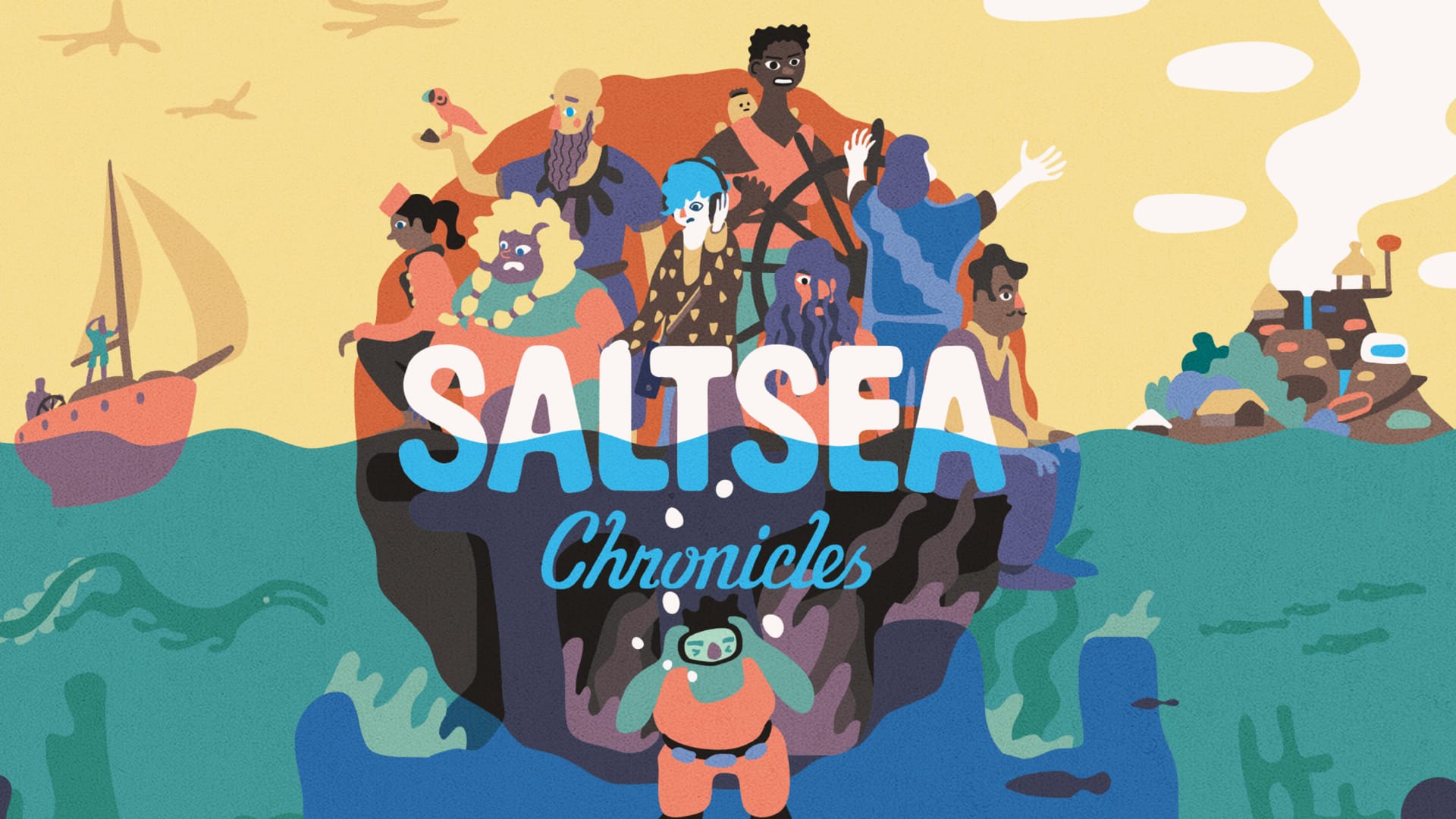
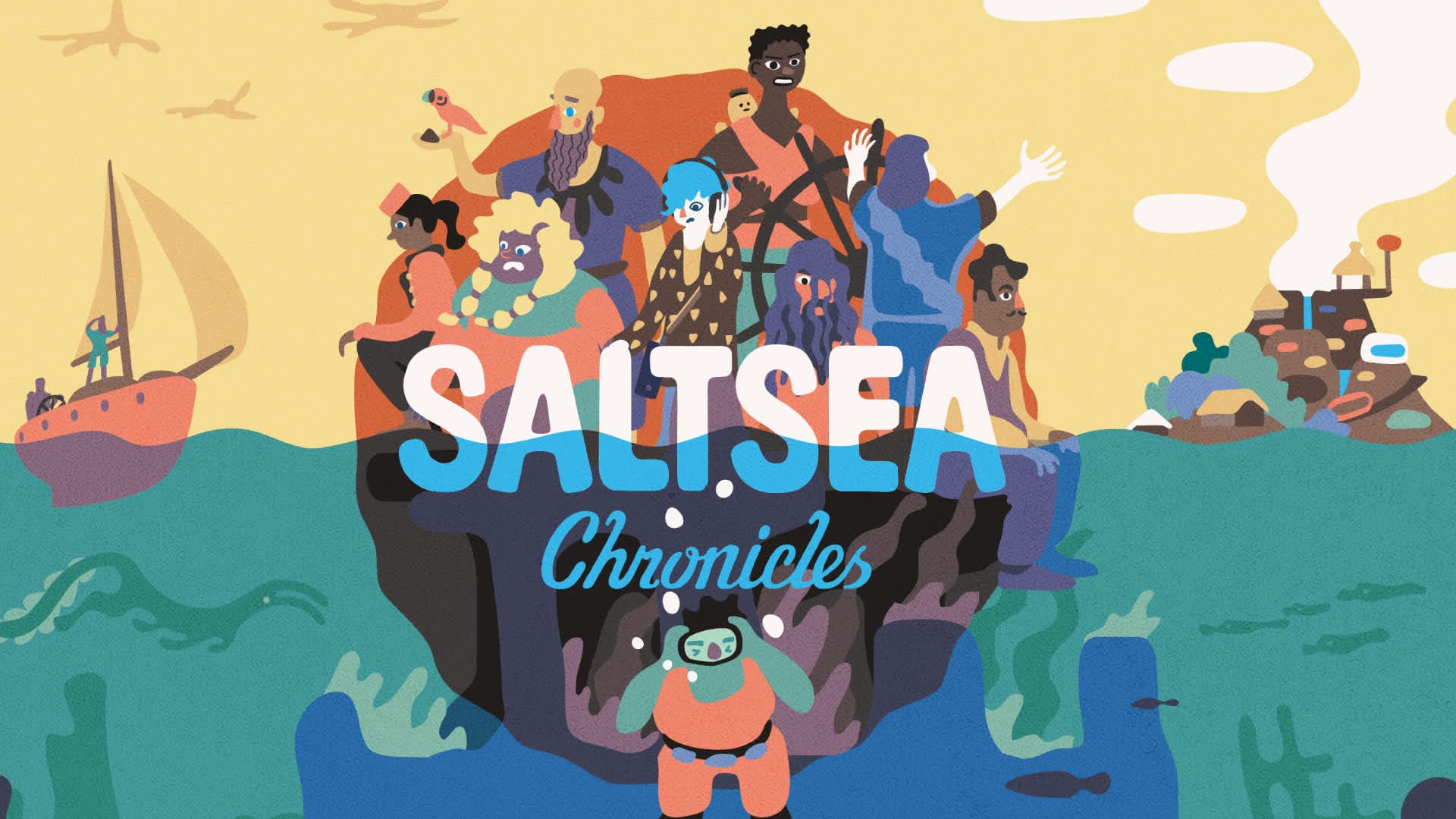
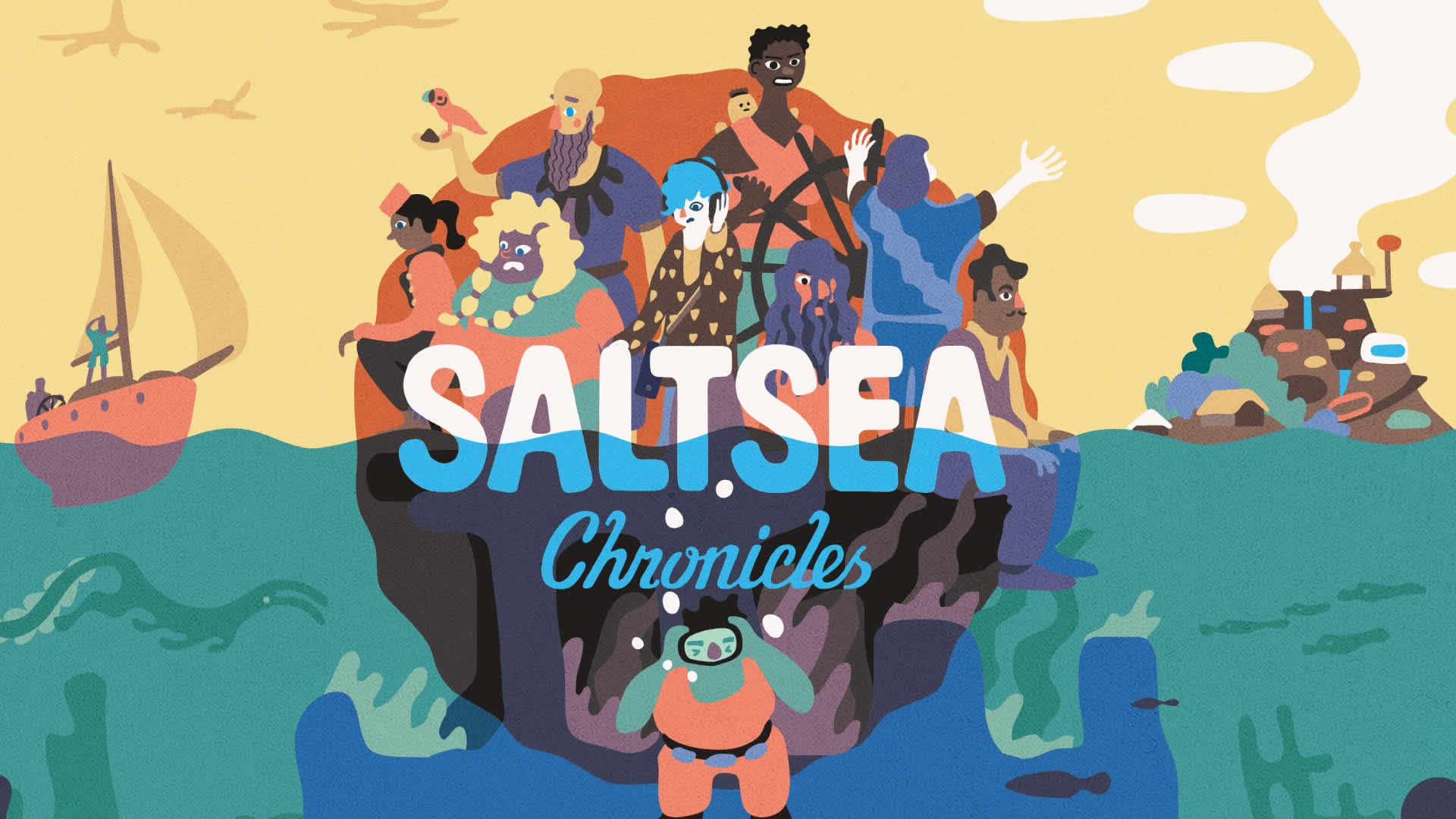
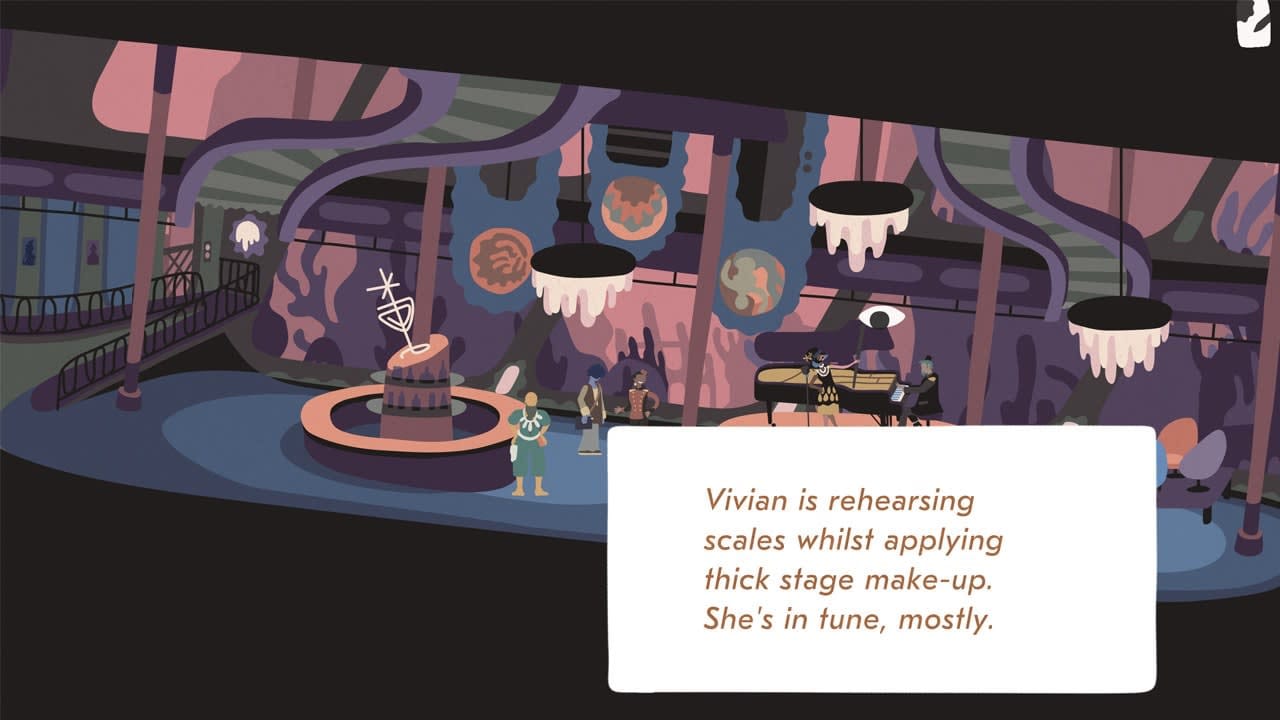
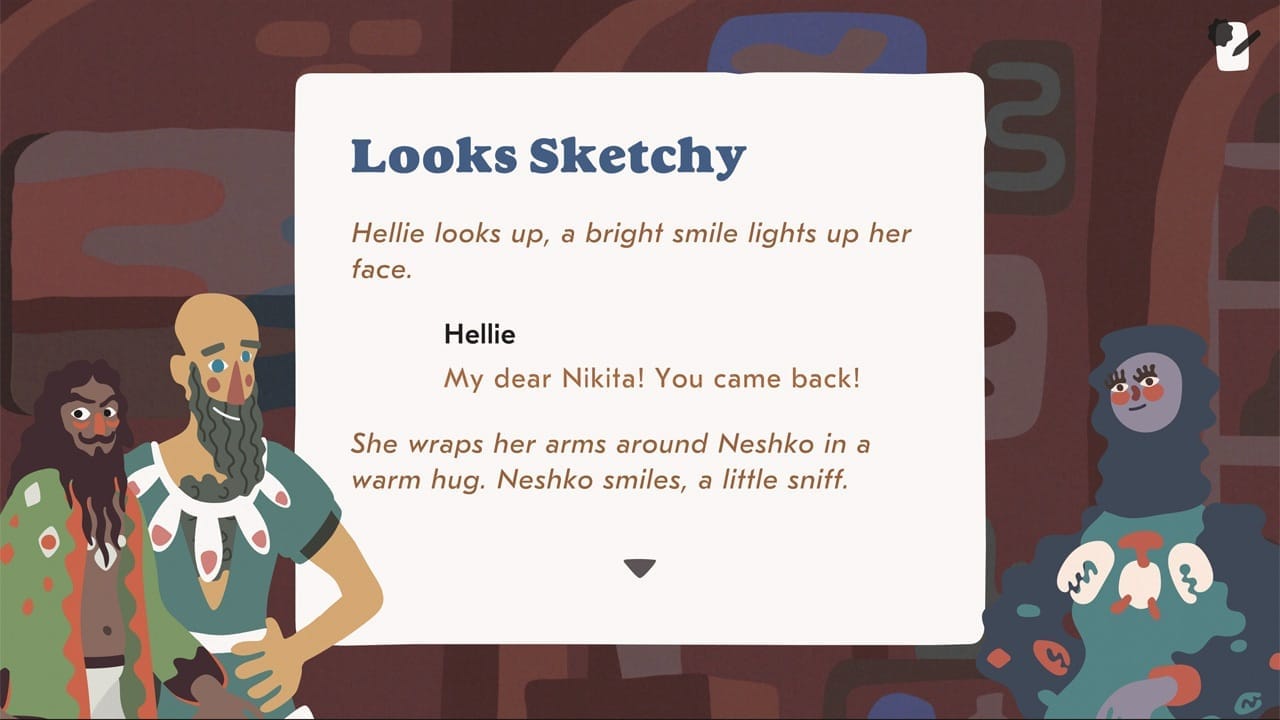
Bottom Line: Die Gute Fabrik’s Saltsea Chronicles delivers a visually striking and narratively ambitious adventure, but its singular focus on choice-driven storytelling and esoteric card game might leave some players adrift, particularly on Nintendo's platform.
At its heart, Saltsea Chronicles is a narrative engine, meticulously constructed to explore the ramifications of choice and the complexities of human (or humanoid) interaction. The disappearance of Captain Maja serves as a potent inciting incident, but it quickly recedes into the background as the journey itself, and the characters undertaking it, take center stage. The post-flood world of Saltsea is not merely a backdrop; it is a character in its own right, each island a self-contained ecosystem of unique customs, political structures, and mysteries. Engaging with these distinct communities—from the stoic to the eccentric—is where the game truly shines, revealing the consequences of the "Great Flood" not just on the landscape, but on the very psyche of its inhabitants.
The decision-making system is perhaps the game's most compelling mechanic. Unlike many adventure games where choices often lead to minor dialogue variations, Saltsea Chronicles frequently forces players into genuine dilemmas that visibly reroute the narrative and profoundly affect the relationships between crew members. A rash decision might alienate a loyal companion, while a diplomatic approach could open unforeseen avenues. This constantly shifting web of allegiances and consequences injects a genuine sense of urgency and personal investment into every interaction. The narrative isn't simply branching; it’s a living, evolving organism that reacts to the player's guiding hand. This design philosophy significantly enhances replayability, as revisiting chapters with different choices can lead to entirely new narrative arcs and character encounters, encouraging players to delve deeper into Saltsea's lore and its myriad possibilities.
Beyond the narrative core, the optional card game, 'Spoils,' provides an unexpected, yet welcome, strategic interlude. While not central to the main plot, it serves as a cleverly integrated mini-game that deepens character interactions. Engaging in a round of 'Spoils' with a crewmate isn't just about winning cards; it's another vector for understanding their personality, their tells, and their motivations. This secondary system prevents narrative fatigue, offering a different cognitive challenge without ever feeling disconnected from the overarching journey. It's a subtle touch, but one that speaks volumes about Die Gute Fabrik's commitment to creating a cohesive and multifaceted experience.
However, the game's laser focus on narrative and character can also be its most significant hurdle. Players seeking traditional "gameplay" in the form of puzzles, combat, or extensive exploration might find the experience too passive. The primary interaction is dialogue, choice, and observation. While the writing is consistently sharp and the characters are compelling, the pace can feel deliberate, almost languid, for those accustomed to more immediate gratification. The unraveling of the conspiracy is slow-burn, relying on exposition and inference rather than overt action sequences. This isn't a flaw, but a design choice that profoundly shapes the target audience.