

Bottom Line: Skul: The Hero Slayer masterfully fuses roguelite brutality with an inventive skull-swapping mechanic, offering a constantly evolving combat canvas for dedicated action-platformer enthusiasts. Its genre innovations land with surgical precision, delivering exceptional replay value.
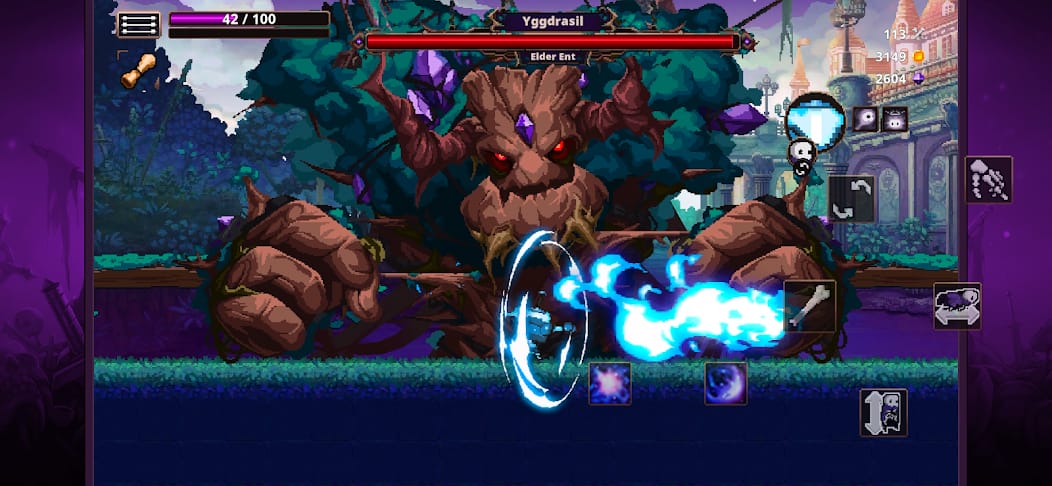
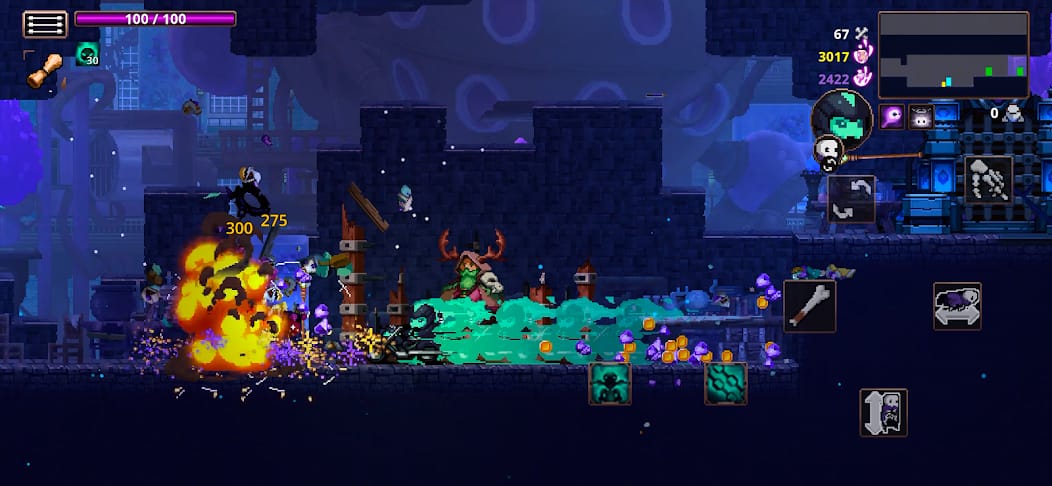
Skul: The Hero Slayer doesn't just borrow from the roguelite playbook; it scribbles new chapters in it, particularly concerning player agency and combat versatility. At the absolute epicenter of its design philosophy is the Dynamic Skull-Swapping Mechanic, a system so robust, so inherently inventive, and so impeccably executed it single-handedly elevates the entire experience. Unlike many other genre entries where character builds tend to solidify within the first few floors, Skul actively encourages, if not explicitly demands, constant experimentation and tactical fluidity. With a staggering roster of over 100 distinct skulls, each bestowing not just a cosmetic alteration but a fundamental shift in combat abilities, attack ranges, and movement patterns, the strategic permutations available to the player are nothing short of staggering. Players can equip two skulls at any given time, toggling between them with seamless, almost instantaneous fluidity. This isn't just a superficial aesthetic; it fundamentally alters the player's approach to every single encounter. A rapid, short-range assassin skull might be strategically paired with a slow, devastating long-range magical one, allowing for immediate tactical shifts to address varied enemy types, environmental hazards, or the multi-stage machinations of complex boss phases. Mastering the intricate rhythm of these swaps, understanding their distinct cooldown timers, and expertly exploiting their powerful synergies becomes a deep meta-game in itself, adding layers of genuine strategic depth rarely witnessed in real-time action titles, let alone the roguelite space.
The Gameplay Loop is, as expected for any self-respecting roguelite, predictably brutal and unforgiving. Death in Skul is not merely a setback; it's a vital recalibration, a harsh but effective teacher. Each successive run is a fresh, desperate attempt to push further into the Imperial stronghold, now armed with hard-won experiential knowledge and, crucially, a growing repository of permanent upgrades acquired through a satisfying and thoughtfully implemented persistent meta-progression system. The procedurally generated levels are a critical component of Skul's longevity, ensuring that familiarity never breeds complacency. While certain environmental tilesets and thematic elements will naturally recur, the arrangement of rooms, the composition of enemy waves, and the placement of insidious traps are sufficiently randomized to perpetually keep players on their toes. This ceaseless variability, dynamically intertwined with the fluidity of the skull-swapping mechanic, ensures that no two runs ever truly feel identical, a paramount characteristic for a game explicitly designed for dozens, if not hundreds, of hours of committed engagement.
However, Skul is not without its few, though notable, sharp edges. The difficulty curve, while ultimately fair in its design and escalation, can present an initially unforgiving wall to new players. They will inevitably find themselves mercilessly ground to dust by the relentless forces of the Imperial Army and the formidable bosses corrupted by the enigmatic Black Quartz. Some of these boss encounters, while mechanically intricate and well-designed, occasionally lean into demanding pattern recognition tests that, after multiple consecutive attempts, can begin to feel somewhat repetitive. The inherent grind—a universal characteristic of the roguelite genre—is undeniably present here, and while the constant drip-feed of new skulls to discover and persistent upgrades to unlock mitigates some of this inherent repetition, players with a low tolerance for high challenge and iterative progress might find the early hours a significant barrier to entry. The in-game interface, particularly for managing the extensive upgrade trees and the ever-growing skull inventory, is robustly functional but undeniably utilitarian; it rarely actively impedes progress but also seldom elevates the overall user experience with any particular elegance. Despite these minor quibbles, Skul's unwavering commitment to its innovative core mechanic and the profound strategic depth it generates stands as an undeniable triumph, offering a sophisticated and demanding dance of combat and adaptation that few contemporaries can match.