
Bottom Line: Slay the Princess is not just a game; it's a meticulously crafted narrative scalpel that dissects the very nature of choice, trust, and reality. It stands as a monumental achievement in the visual novel genre, delivering a psychological horror experience that is as intellectually stimulating as it is deeply unsettling.
The brilliance of Slay the Princess lies in its weaponization of narrative structure. Most games offer the illusion of choice; here, choice is a raw, world-breaking force. The gameplay loop is deceptively simple: you arrive at the cabin, receive your directive, and proceed to the basement. You make a series of choices, arrive at an "ending," and then you are back at the beginning. Except, you're not. The cabin is different. The Narrator's tone has shifted. And the Princess… the Princess is something new entirely.
The Triangle of Trust
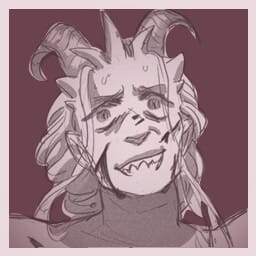
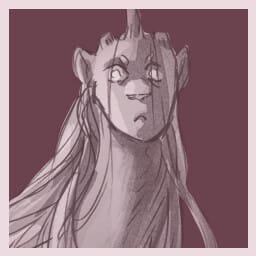
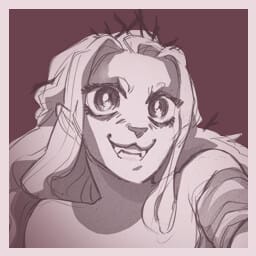
The entire experience is an exercise in radical mistrust. The game presents you with three primary sources of information: The Narrator, The Princess, and your own senses, represented by the disembodied "voice of the hero." None can be taken at face value. The Narrator is your guide, his voice a calm, authoritative presence that insists the princess is a world-ending threat. But his insistence borders on desperation, and he often omits or warps information to steer you toward his desired outcome. The Princess, in her many forms, is a master of manipulation. She is at times a frightened victim, a seductive schemer, a monstrous entity, or a philosophical goddess. Her pleas and threats are designed to prey on your empathy and doubt. This creates a fascinating and stressful triangulation of information where the player is forced to become an active interrogator of the reality presented to them. Who is lying? Who is telling the truth? The game's audacious answer is that they all are, and none are.
A Masterclass in Metanarrative
Slay the Princess understands it's a game, and it uses that awareness to incredible effect. The loop isn't just a reset; it's a continuation. The game remembers your failures and successes, your moments of violence and your attempts at connection. This persistence transforms the act of playing into a central theme. You are not just a character; you are a force of narrative change, and the game is a conversation with its own creator about the nature of stories. Some of the most fascinating branches of the game occur when you actively defy the expected path, questioning the very structure of the world you inhabit. This elevates the experience from a simple horror story to a sophisticated exploration of agency, determinism, and the relationship between the player and the played. It asks profound questions: can you ever truly escape a story once you're in it? And if you're the one making the choices, who is truly the monster?