


> **Bottom Line:** Pixelbite's *Space Marshals 3* solidifies its position as the reigning champion of tactical top-down shooters, offering an intoxicating blend of stealth, visceral gunplay, and smart level design that few mobile or handheld titles can match.
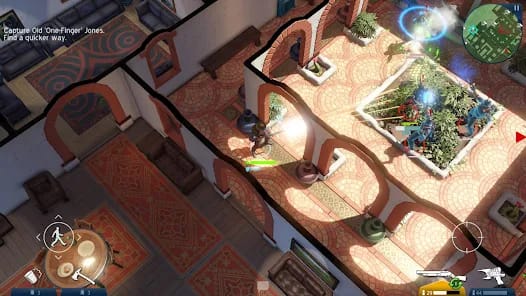
The enduring appeal of Space Marshals 3 lies not merely in its genre mechanics but in its intelligent application of them. The game loop is deceptively simple: locate target, neutralize threats, extract. Yet, within this framework, Pixelbite has engineered a system that rewards experimentation and tactical foresight. Every mission feels less like a linear progression and more like a miniature improvisational stage. Do you ghost through the enemy lines, silently picking off sentries with a suppressed rifle, or do you crash through the front door, laying waste with a shotgun and a well-placed frag grenade? The game’s brilliance is that both approaches are not only viable but often encouraged, each yielding distinct satisfactions.
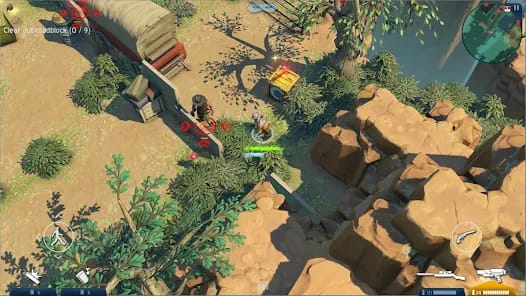
The environment itself is a character in this tactical drama. Cover is not merely an aesthetic; it's a vital resource. Ducking behind crates, utilizing the high ground, or luring enemies into choke points are not suggestions—they are fundamental tenets of survival. This emphasis on environmental awareness elevates the combat encounters beyond simple reflex tests. Every firefight, every stealth sequence, becomes a puzzle to be solved with the tools at hand, creating a tangible sense of accomplishment when a complex situation is defused with elegance or brute force.
Customization is another pillar of Space Marshals 3's success. The sheer breadth of weaponry and gadgets ensures that a player's preferred playstyle is not just accommodated but amplified. From precision sniper rifles for long-range eliminations to close-quarters SMGs for aggressive pushes, the weapons feel distinct and impactful. Crucially, the throwable gadgets—smoke bombs for cover, proximity mines for area denial, or bait to distract guards—aren't just filler; they're integral to the tactical sandbox, opening up myriad strategies for engagement and disengagement. This level of granular control over one's loadout fosters a strong sense of agency, allowing players to truly "own" their operational approach.
The level design, perhaps the game's most understated triumph, consistently offers multiple viable routes to objectives. This isn't a corridor shooter; it's a playground of interconnected spaces, vents, hidden passages, and environmental hazards. This thoughtful construction not only boosts replay value but also caters to different tactical preferences. A stealth player might find a secluded vent system, while a gun-toting marshal could exploit a weak wall to create a new entry point. The narrative, while lighthearted and delivered with a charming sci-fi western flair, provides just enough context to propel Burton through his bounty-hunting escapades without ever feeling overbearing. It’s a backdrop, not the main event, allowing the gameplay to shine brightest. The overall user experience is intuitive, with onboarding friction practically non-existent, allowing players to immediately grasp the core mechanics and start strategizing.