
Bottom Line: Spiritfarer wraps a competent resource-management game around a profound, unflinching narrative about death. It's a masterclass in emotional design, a beautiful, poignant, and unforgettable journey that will stay with you long after the final spirit has departed.
The Core Loop: A Gentle Grind
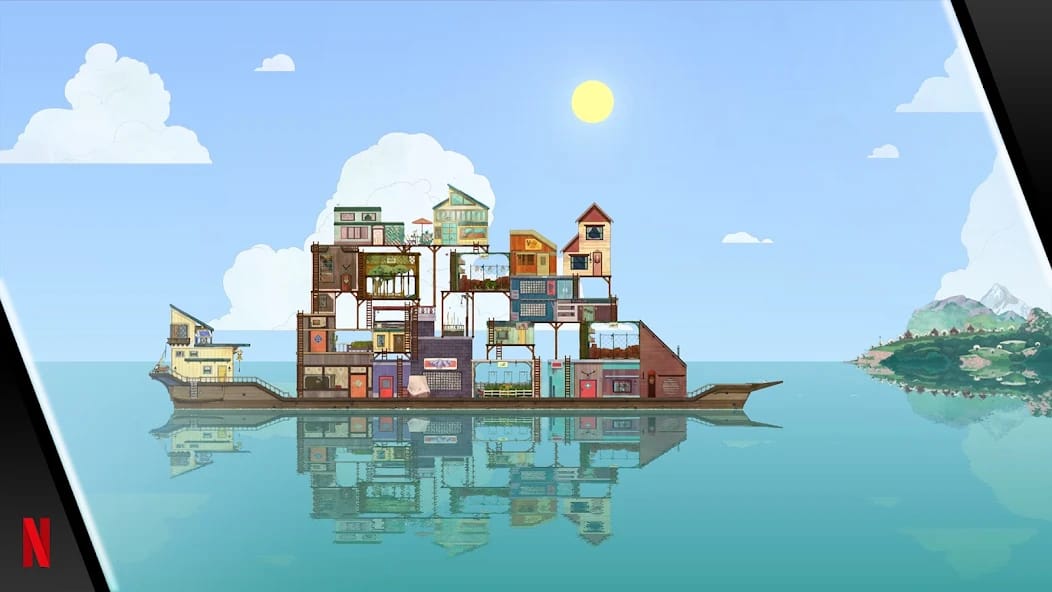
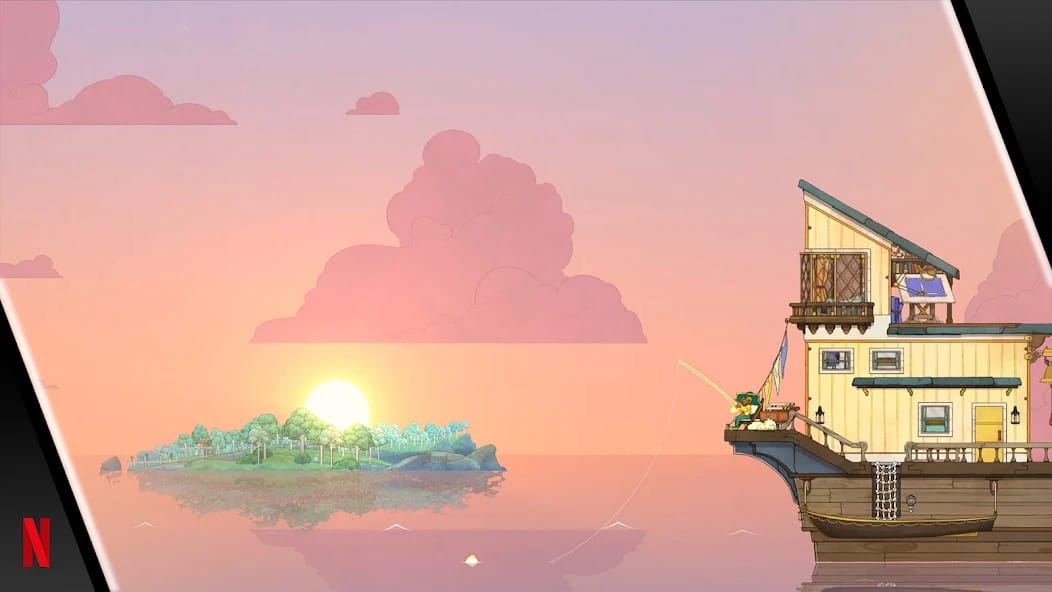
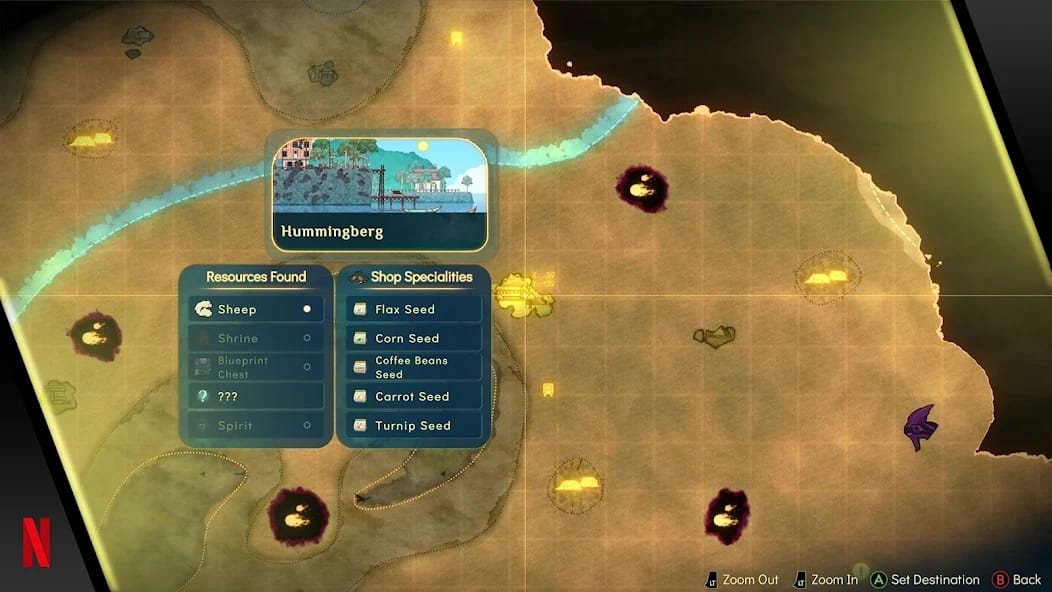
At its mechanical core, Spiritfarer is a 2D platformer married to a resource-management sim. You guide Stella as she leaps across her boat, tends to crops, smelts ore, and cooks meals. The archipelago is a collection of islands, each offering different resources or triggering events. The loop is clear: a spirit asks for something, you identify the necessary resources, you sail to the correct island, gather what you need, craft the item, and deliver it.
For the most part, this works beautifully. The platforming is light and forgiving, and managing the various production chains has a satisfying rhythm. However, the game is not without its moments of friction. In the later stages, as your boat grows and the number of active quests multiplies, the resource demands can become steep. Traversing the large map, even with fast-travel points, can feel tedious when you’re hunting for a single, elusive resource. Some critics of the game have pointed to this late-game stage as feeling repetitive, and the criticism is not unfounded. The fetch-quest structure can, at times, feel like padding. Yet, the game’s powerful narrative context prevents this from ever becoming a deal-breaker. You aren't just grinding for ore; you're grinding to build a home for a lonely soul. That motivation matters.
A Masterful Narrative on Grief
Where Spiritfarer transcends its mechanical foundations is in its storytelling. This is, without exaggeration, one of the most mature and impactful explorations of life and death in the medium. The game cleverly uses the tropes of a management sim to foster genuine attachment. You cook for your friends. You build them comfortable spaces. You give them hugs. These simple, repeated actions build a powerful sense of intimacy and responsibility.
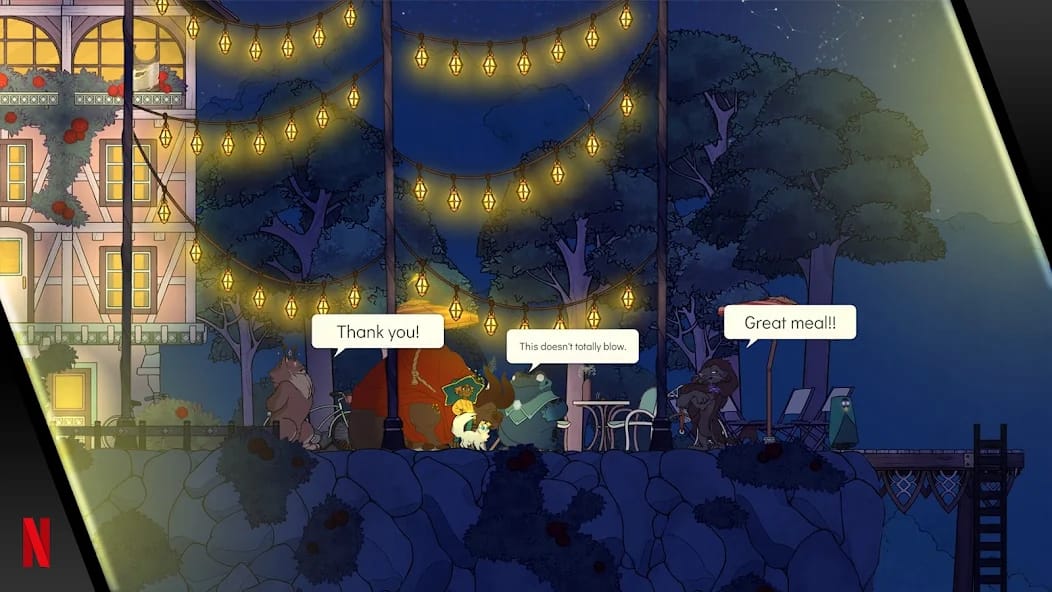
Each spirit represents a different facet of the human experience and a different way of approaching the end. There's the boisterous, life-loving frog; the prim and proper hedgehog; the old, spiritual snake. Their stories unfold gradually, revealing past traumas, deep regrets, and cherished memories. You become their confidant, their caretaker, and their friend.
This makes the inevitable goodbyes absolutely gut-wrenching. The game forces you to take an active role in letting go. When a spirit is ready, you must personally escort them to the Everdoor. The sequences are quiet, somber, and deeply personal, elevated by a phenomenal orchestral score. By tying the emotional climax to the player's own actions, Spiritfarer creates a profound sense of loss that few games ever achieve. It’s a slow-burn emotional investment with a devastating, beautiful payoff.