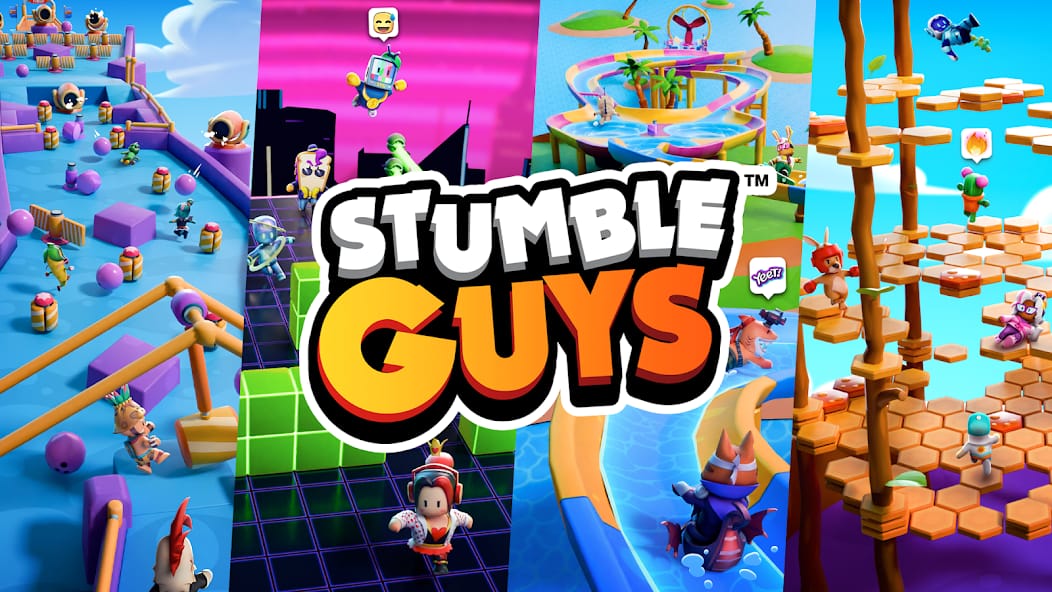


Bottom Line: Stumble Guys shamelessly borrows its blueprint from Fall Guys, but delivers a faster, more accessible, and brutally effective dose of multiplayer mayhem that's perfectly engineered for the mobile-first world.
The Gameplay Loop: A Symphony of Stumbling
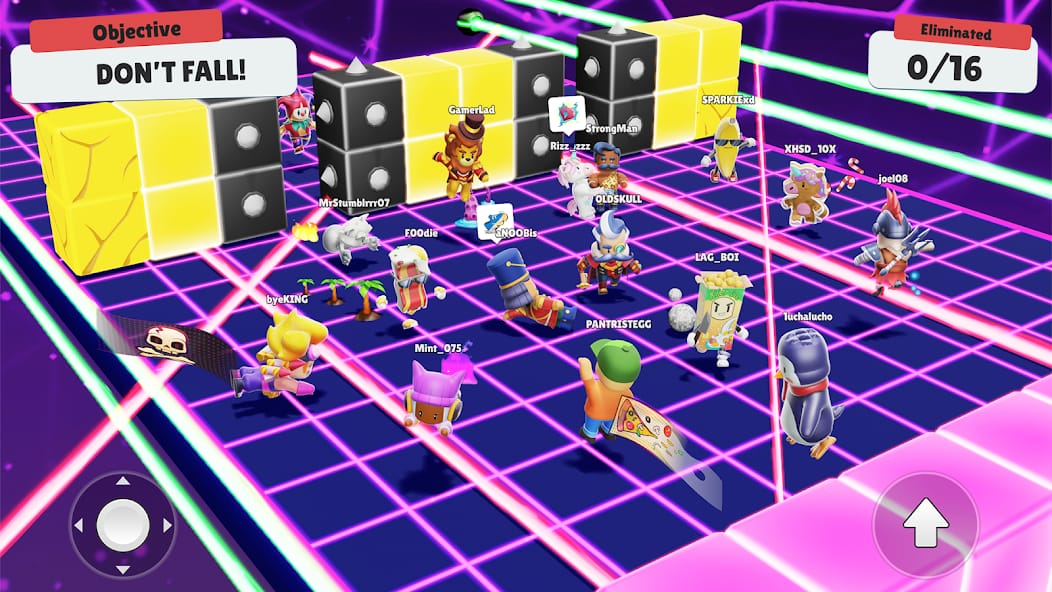
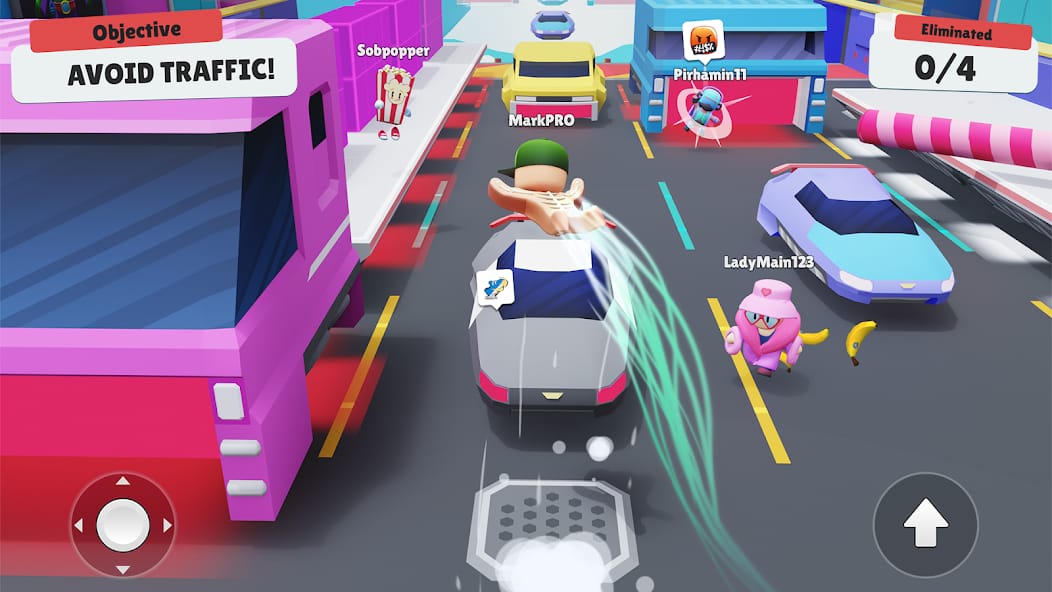
The core gameplay loop of Stumble Guys is its greatest strength. It is a masterclass in low-stakes, high-reward design. You join a match, and within seconds you are thrown into a gauntlet of hilarious, often frustrating obstacles. You will run, jump, and—most frequently—dive. The physics engine is deliberately clumsy, turning every player into a top-heavy, flailing bean-person. This is where the magic, and the madness, lies. A perfectly timed jump can be ruined by a dozen other players colliding with you, sending your character tumbling into the abyss.
Losing has almost no penalty. There is no significant XP loss, no public shaming, no long wait to get back into the action. You are eliminated, you hit the "play again" button, and you are immediately in a new lobby. This frictionless cycle is dangerously addictive. It fosters a "just one more round" mentality that can easily turn a planned five-minute session into an hour-long binge. The game does not demand skill so much as it demands persistence and a high tolerance for absurdity. While expert players can certainly navigate courses with more finesse, the sheer density of players and the randomness of the physics ensure that even a complete beginner can occasionally stumble their way into the final round.
A Masterclass in Derivation
Let's be blunt: Stumble Guys would not exist without Fall Guys. The aesthetic, the premise, the very soul of the game are borrowed. But Scopely’s genius was in recognizing that the Fall Guys experience was fundamentally a console and PC one, leaving a massive mobile audience underserved. Stumble Guys was built from the ground up to fill that void. The graphics are simpler, the rounds are faster, and the controls are pared down to a virtual joystick and a single "jump/dive" button.
This is not laziness; it's strategic adaptation. The game's performance on a mid-range smartphone is remarkably smooth, a technical achievement that cannot be overlooked. Where its inspiration can feel like a commitment, Stumble Guys feels like a distraction—in the best possible way. It is the game you play while waiting for the bus, standing in line for coffee, or during the ad break of a streaming show. It has taken a proven concept and retooled it for a different context of play, and its phenomenal success is proof that the strategy worked.