
Bottom Line: Super Auto Pets wraps a surprisingly robust and strategic auto-battler in a disarmingly simple, emoji-first aesthetic. Its brilliance lies in its accessibility, but its longevity is ultimately checked by a heavy reliance on randomness.
The Gameplay Loop: Deceptive Simplicity
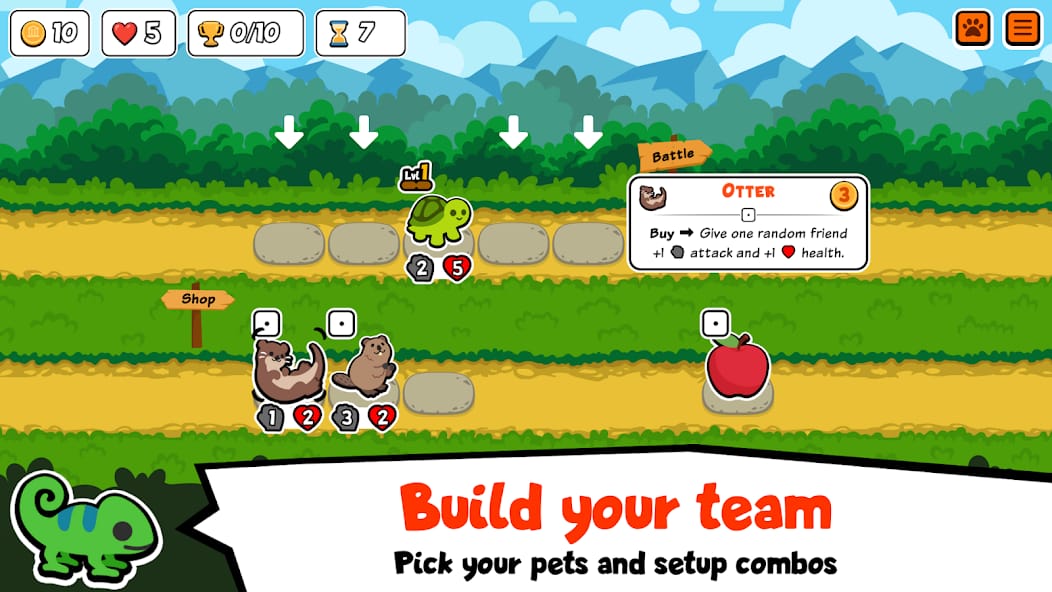
A round of Super Auto Pets is a lesson in economic and strategic efficiency. You start with ten gold and a shop of randomly presented pets and food items. Do you buy a dodo now, hoping to find a high-damage unit to place in front of it later? Or do you spend two gold to "roll" for new pets, gambling that a unit critical to your strategy will appear? Maybe you buy an apple to give a pet a small, permanent +1/+1 buff. Or perhaps you save your gold, knowing it generates no interest, simply to keep your options open for the next, more crucial round.
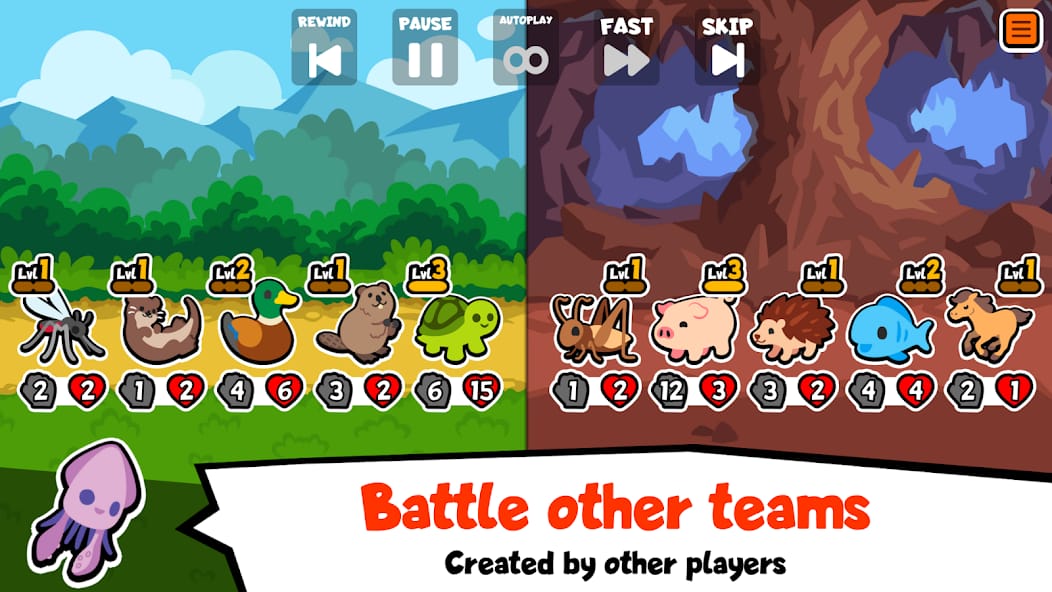
After you've assembled your team and arranged them in the optimal sequence—a critical step, as order of attack and ability triggers are everything—you hit "End Turn" and the battle unfolds automatically. There is no input here. You are a spectator to the consequences of your decisions. This separation of planning and execution is the genre’s signature, but Super Auto Pets hones it to a fine point. The feedback is immediate and often brutal. You quickly learn that a team of individually strong pets will almost always lose to a synergistic squad of weaker ones. The game becomes an exercise in probability management and creative problem-solving.
The Tyranny of Randomness
The game's greatest strength is also its most significant weakness: its profound reliance on luck. While skill is expressed through identifying potential synergies and pivoting strategies on the fly, you are ultimately at the mercy of the shop's RNG. There will be runs where the units you need to complete a powerful build simply never appear. Victory can feel unearned when the perfect pets fall into your lap, and defeat can feel cheap when your opponent clearly lucked into a level-three Dolphin.
This isn't an oversight; it's a core design pillar. The randomness makes every run feel different and lowers the barrier to entry, allowing a novice to occasionally triumph over a veteran. However, for those who prize pure, deterministic strategy, this can be an exercise in frustration. It steers the game away from being a digital chess match and more toward a strategic variant of poker, where you are tasked with playing the hand you're dealt as skillfully as possible.