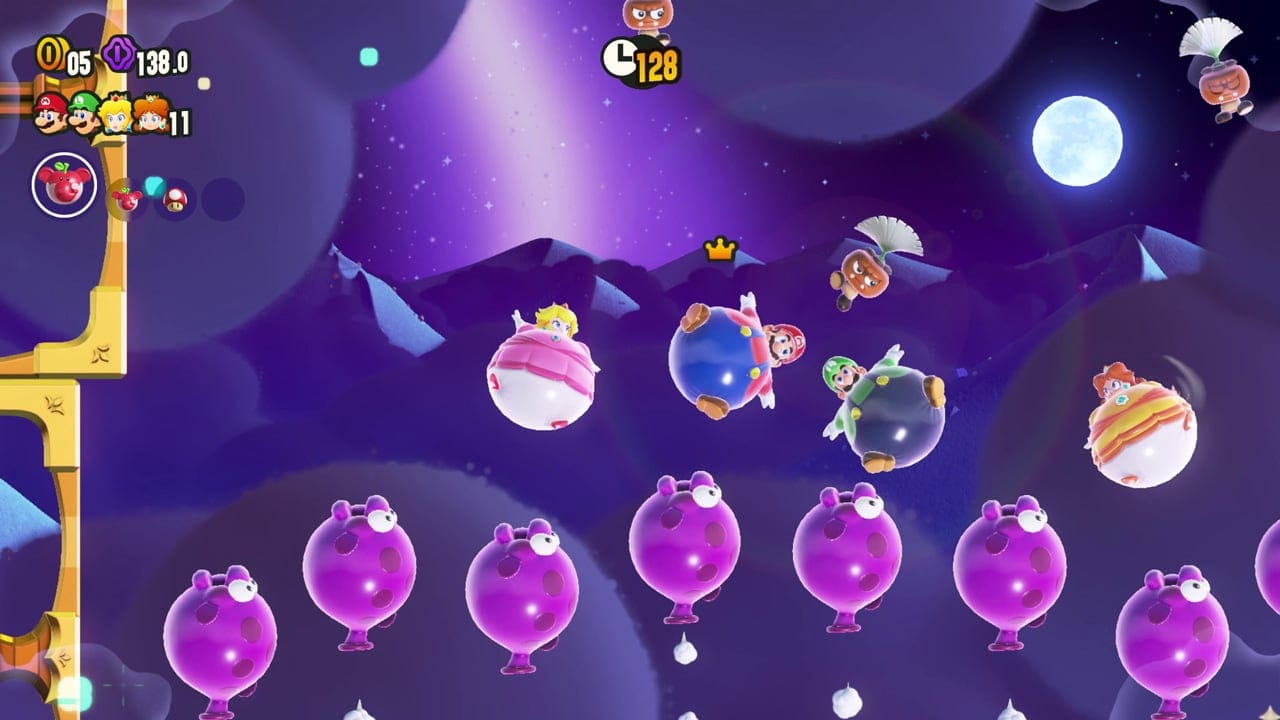
Bottom Line: Nintendo's latest 2D Mario entry is not merely a nostalgia trip; it is a masterclass in revitalizing a beloved genre, delivering an almost ceaseless torrent of joyous, unpredictable, and meticulously crafted platforming.
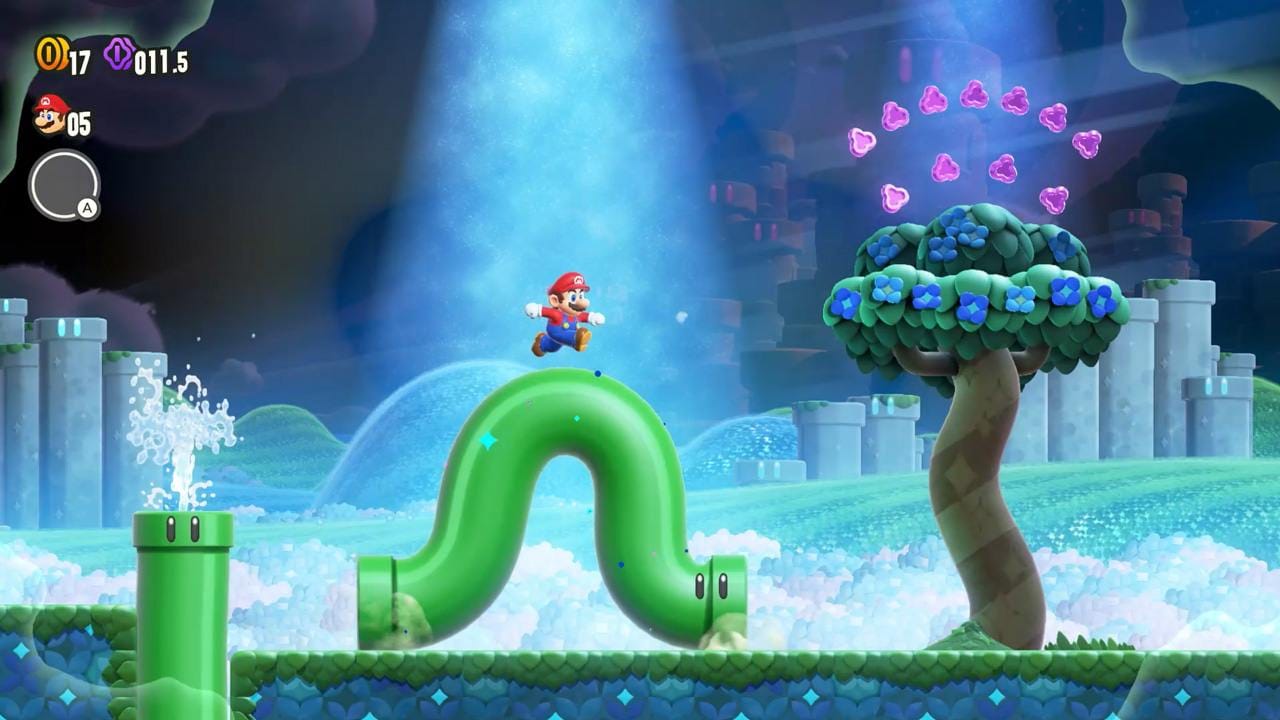
The most profound success of Super Mario Bros. Wonder lies in its unapologetic embrace of unpredictability. For decades, the 2D Mario formula, while consistently refined, adhered to a largely predictable arc: master the jump, overcome the enemy, reach the flagpole. Wonder shatters this predictability with the Wonder Effects, turning each stage into a miniature, self-contained experiment. These aren't just aesthetic flourishes; they are mechanical shifts that recalibrate the player's understanding of the environment. One moment, you’re navigating a traditional cavern, the next, a stampede of fuzzy creatures is altering the landscape, or you’re suddenly a sentient Goomba navigating a maze. This constant reinvention ensures that the dreaded feeling of "more of the same" never creeps in. The design ethos here prioritizes surprise over rote memorization, celebrating the moment-to-moment reaction rather than pixel-perfect execution of pre-learned patterns.
The genius of these Wonder Effects isn't just their existence, but their ephemeral nature. Each effect is a temporary, exhilarating detour, resolved often within seconds, ensuring the core platforming remains the foundation. This allows the game to introduce wildly imaginative concepts without burdening the player with complex, persistent mechanics. It’s a design philosophy that champions the fleeting joy, constantly resetting expectations and maintaining an almost manic pace of novel encounters. This approach also cleverly sidesteps potential complexity bloat, keeping the game accessible while still feeling deeply inventive.
Beyond the titular Wonder Flowers, the new power-ups are equally well-integrated. The Elephant Fruit, in particular, is a standout, offering a satisfying sense of momentum and utility for breaking blocks and deflecting projectiles. These aren't arbitrary additions; they feel like natural extensions of the Mario sandbox, each opening new avenues for interaction with the meticulously crafted levels. The Badge system further democratizes player agency, offering subtle yet impactful customizations. A badge that grants an extra jump or a magnetic pull for coins might seem minor, but it fundamentally alters the rhythm of play, allowing players to tailor the experience to their skill level or simply experiment with new strategies. This modular approach to abilities is a significant evolution for the series, adding a layer of strategic depth that rewards thoughtful preparation without penalizing those who prefer a more straightforward run.
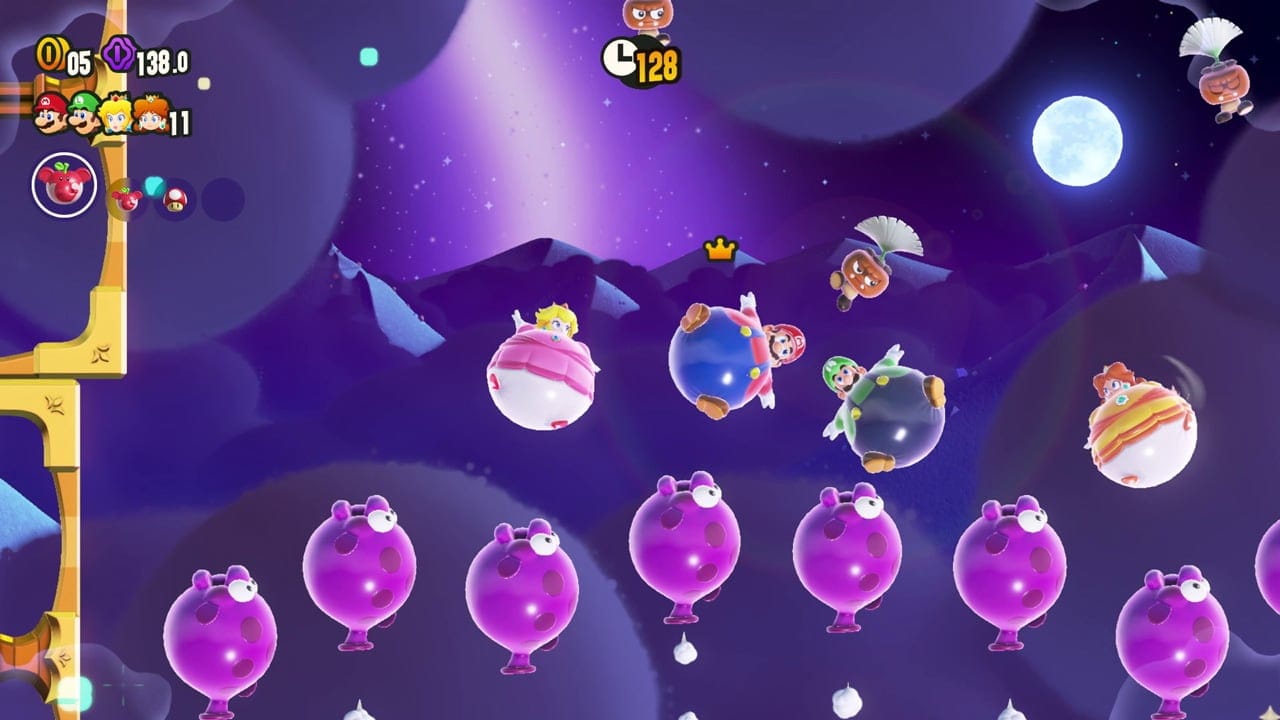
From a gameplay loop perspective, Wonder nails the tight, responsive controls Mario is known for, making every jump and stomp feel precise. The level design, even before the Wonder Effects kick in, demonstrates a keen understanding of pacing and progression. Secrets are plentiful but rarely frustratingly hidden, encouraging exploration without demanding encyclopedic knowledge of every stage. The vibrant world design, populated by expressive new enemies and allies, exudes charm, creating an inviting backdrop for the controlled chaos that often erupts. Multiplayer, while inherently more chaotic than single-player, retains the series' convivial spirit, allowing up to four players to navigate stages together. While this can lead to accidental bumps and rivalries for power-ups, it often amplifies the joy and absurdity of the Wonder Effects, creating shared moments of surprise and triumph. Wonder is not just a game; it's a testament to the enduring power of imaginative game design and a bold statement that 2D platforming still has vast, unexplored territories.
Gameplay Loop
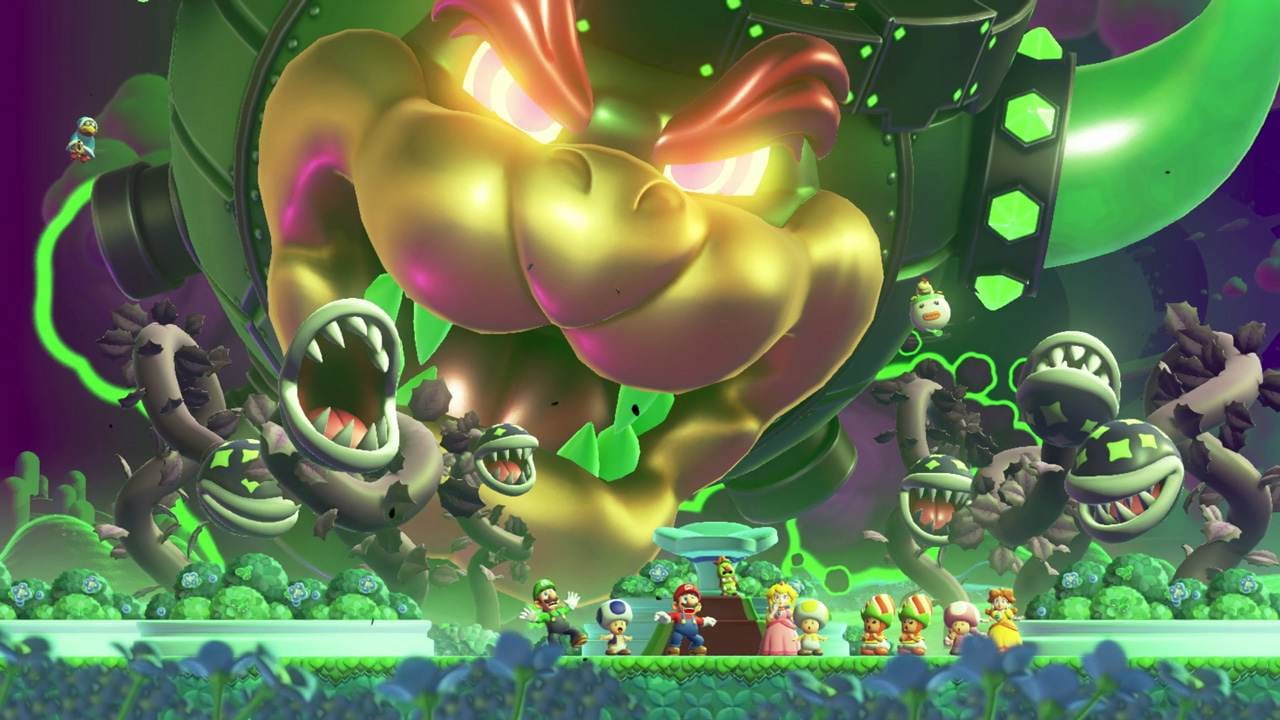
The fundamental loop of Super Mario Bros. Wonder adheres to the series' tried and true formula: navigate a series of themed levels, overcome obstacles, defeat enemies, and rescue the Flower Kingdom from Bowser. However, this established cadence is continuously punctuated by the game's core innovation: the Wonder Flowers. Locating and activating these flowers transforms the familiar into the fantastical, often initiating a bizarre, unpredictable, and temporary segment that can involve anything from characters morphing into elephants, levels tilting dramatically, or entire environments becoming animated musical sequences. This dynamic infusion ensures that no two playthroughs of a level feel entirely identical on the first encounter, providing a constant stream of novel stimuli that prevents player fatigue. The subsequent return to standard platforming after a Wonder Effect reinforces the brilliance of the design; these segments are impactful precisely because they are temporary and contrast with the familiar, highlighting the game’s imaginative peaks.
User Experience Flow
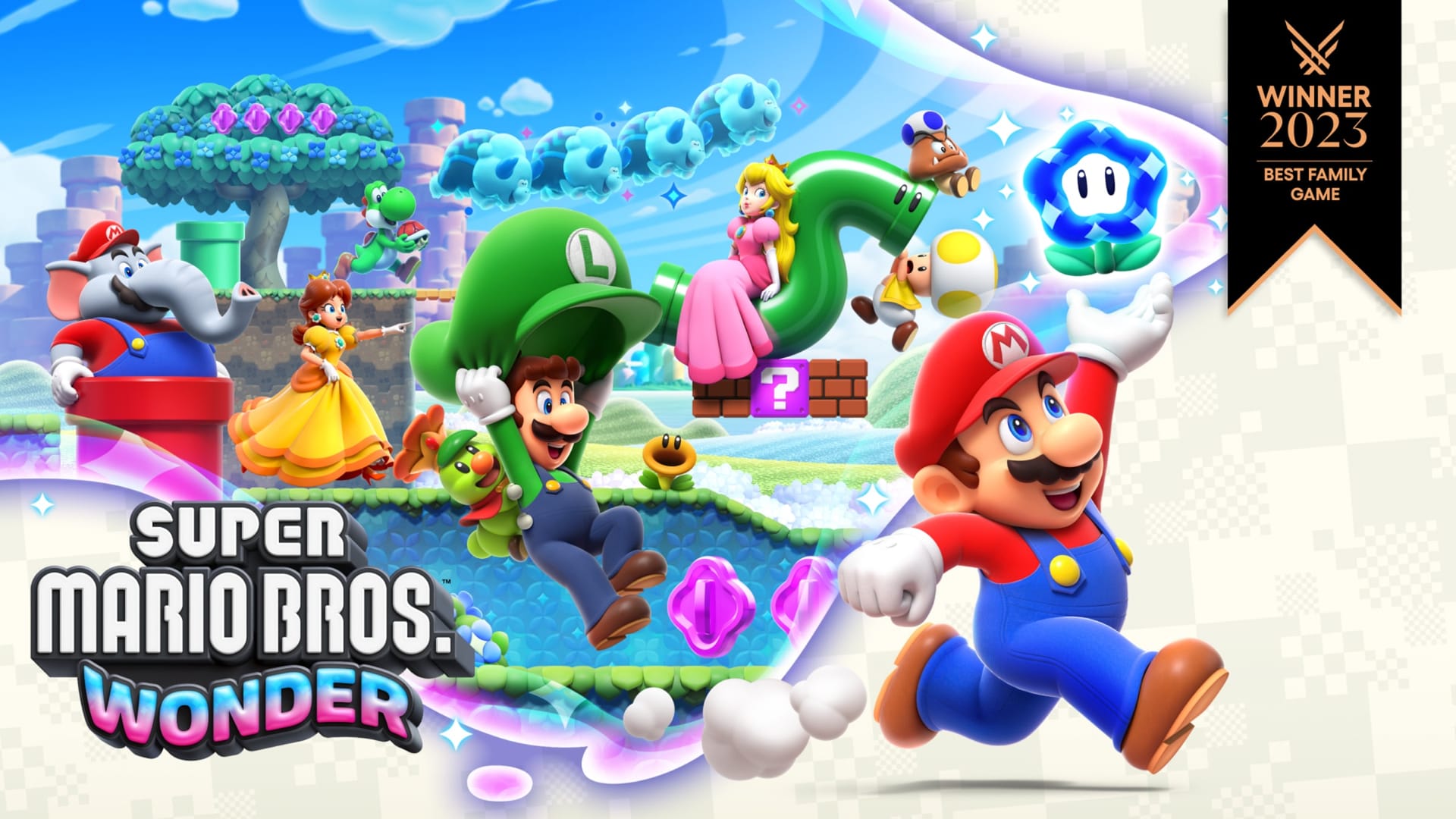
The user experience in Wonder is meticulously polished, from the intuitive world map to the seamless integration of the Badge system. The game onboarding is graceful, gradually introducing new mechanics and power-ups without overwhelming the player. The controls are immediately familiar to anyone who has touched a Mario game, yet they feel more refined and responsive than ever. The ability to switch between a diverse cast of characters, each with slight variations (like Yoshi’s flutter jump or Nabbit’s item retention), adds a subtle layer of strategic choice and replay value. Furthermore, the game thoughtfully incorporates elements of accessibility, with the Badge system allowing players to equip perks that can ease certain challenges, catering to a broader audience without compromising the core difficulty for veterans. The flow from one innovative concept to the next is fluid, making the overall experience feel less like a collection of ideas and more like a cohesive, evolving journey.