
Bottom Line: Superflight is a masterclass in reductionist design, offering an exhilarating, near-perfect arcade flight experience that is as much a meditative tool as it is a high-score gauntlet.
The Purity of Flight
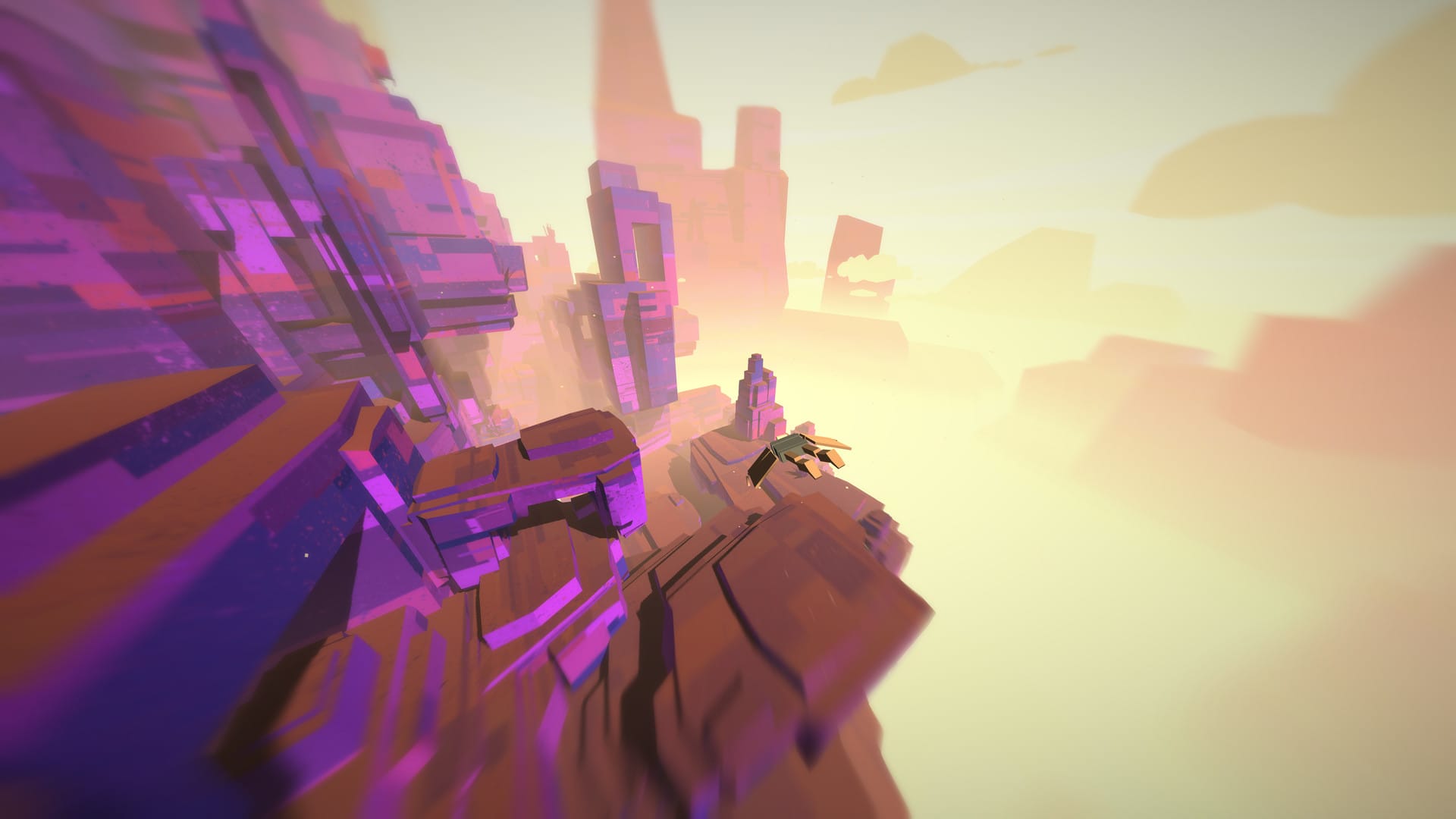
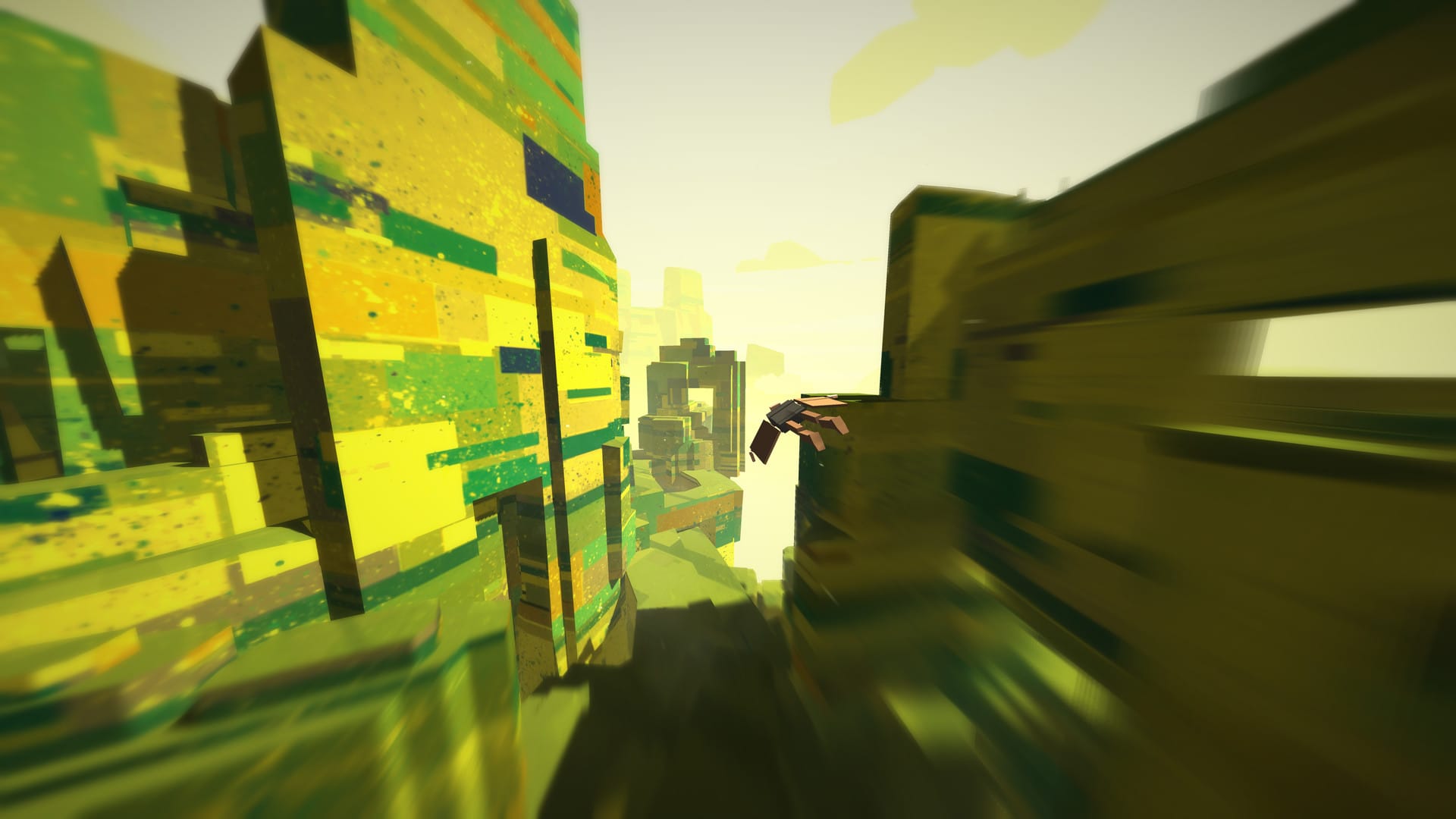
Superflight's most profound achievement is its understanding of what makes virtual movement compelling. The controls are intuitive to the point of being almost instinctual. Within seconds, you are banking, diving, and pulling up with precision. Yet, this simplicity belies a skill ceiling that is astronomically high. Learning to fly is easy; learning to fly well is a challenge that can occupy you for countless hours. The physics model feels weighty and responsive, giving a tangible sense of momentum as you plummet through a narrow canyon and a feeling of triumphant lift as you pull up at the last possible second, your score multiplier ticking ever higher.
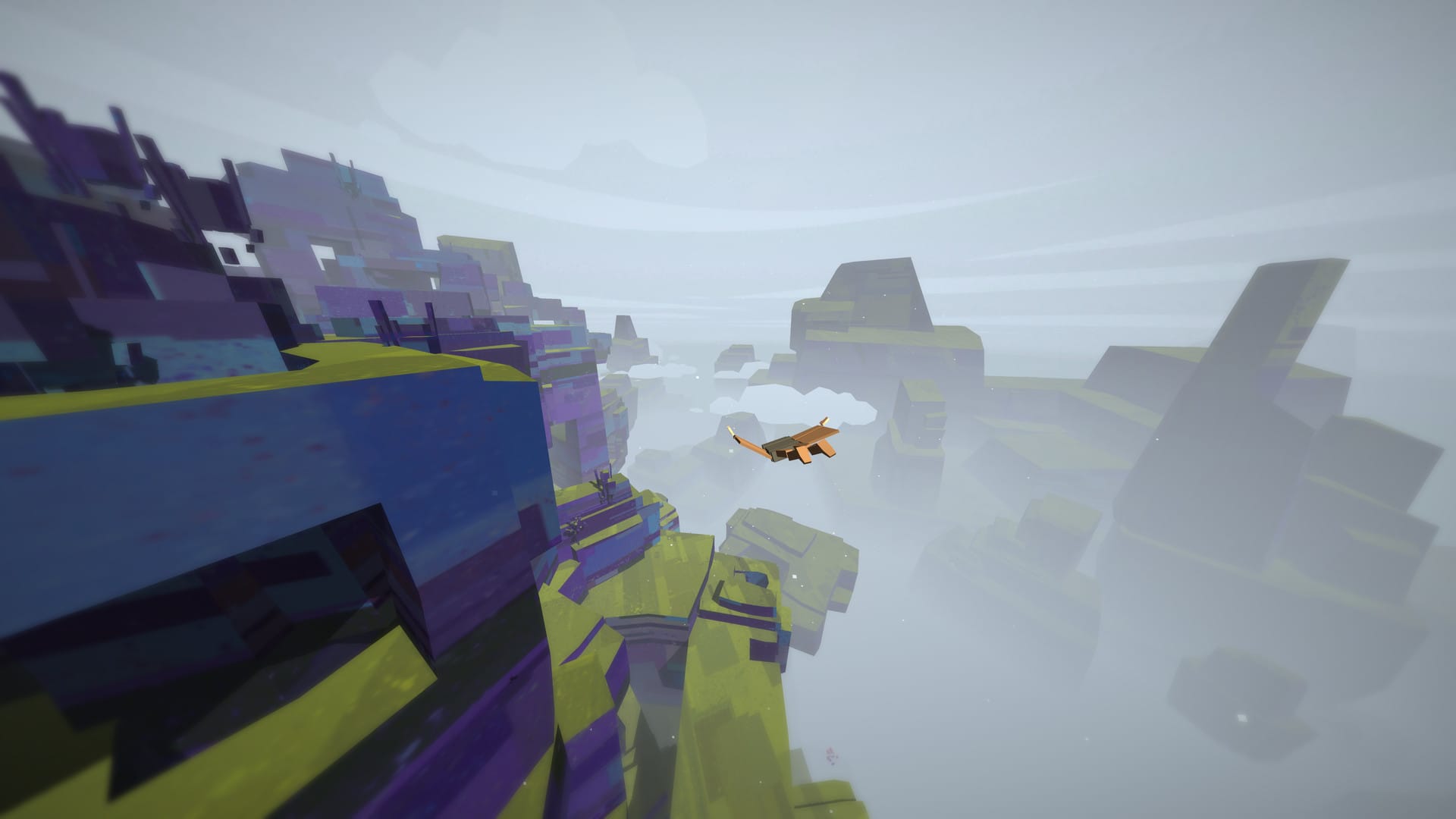
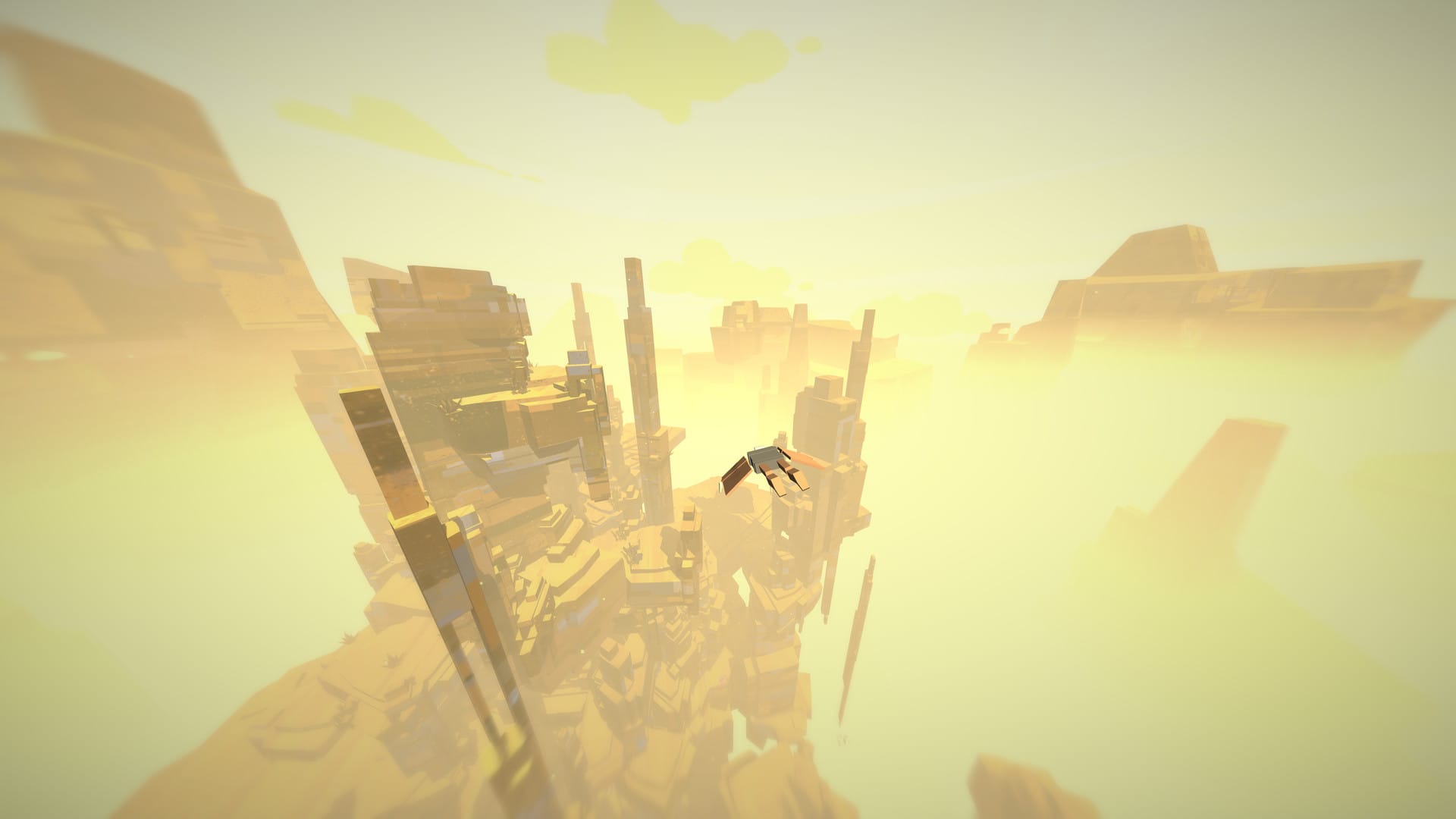
The game produces a psychological state that is rare in modern entertainment: a genuine flow state. With no loading screens to break the spell and a core loop that takes seconds to restart, it's dangerously easy to lose hours to Superflight. The experience oscillates wildly between a zen-like meditation, as you glide serenely above the jagged peaks, and a shot of pure adrenaline, as you thread the needle through a rock formation that seemed impossibly small. This duality is the game's secret weapon. It is both a relaxation tool and a twitch-reflex arcade challenge, and it can switch between these two modes in an instant.
A Study in Risk and Reward
The scoring system is the engine that drives the entire experience. Without it, Superflight would be a beautiful but aimless sandbox. With it, every surface, every outcropping, every chasm becomes an opportunity. The game constantly asks you: how much risk are you willing to take for a higher score? Do you play it safe, flying high and accumulating a steady but slow trickle of points? Or do you become a daredevil, a proximity artist, chaining together near-death experiences for a massive multiplier?
This simple mechanic transforms the player's relationship with the environment. The world is not just a backdrop; it is your partner and your adversary. You begin to read the terrain, to see lines and pathways that were invisible before. A tight cluster of rock spires is no longer an obstacle but a scoring opportunity. A deep, winding cavern is a high-risk, high-reward tunnel run. Because the maps are procedurally generated, this skill of "reading the world" is transferable to any session, creating a deep sense of mastery that feels earned.