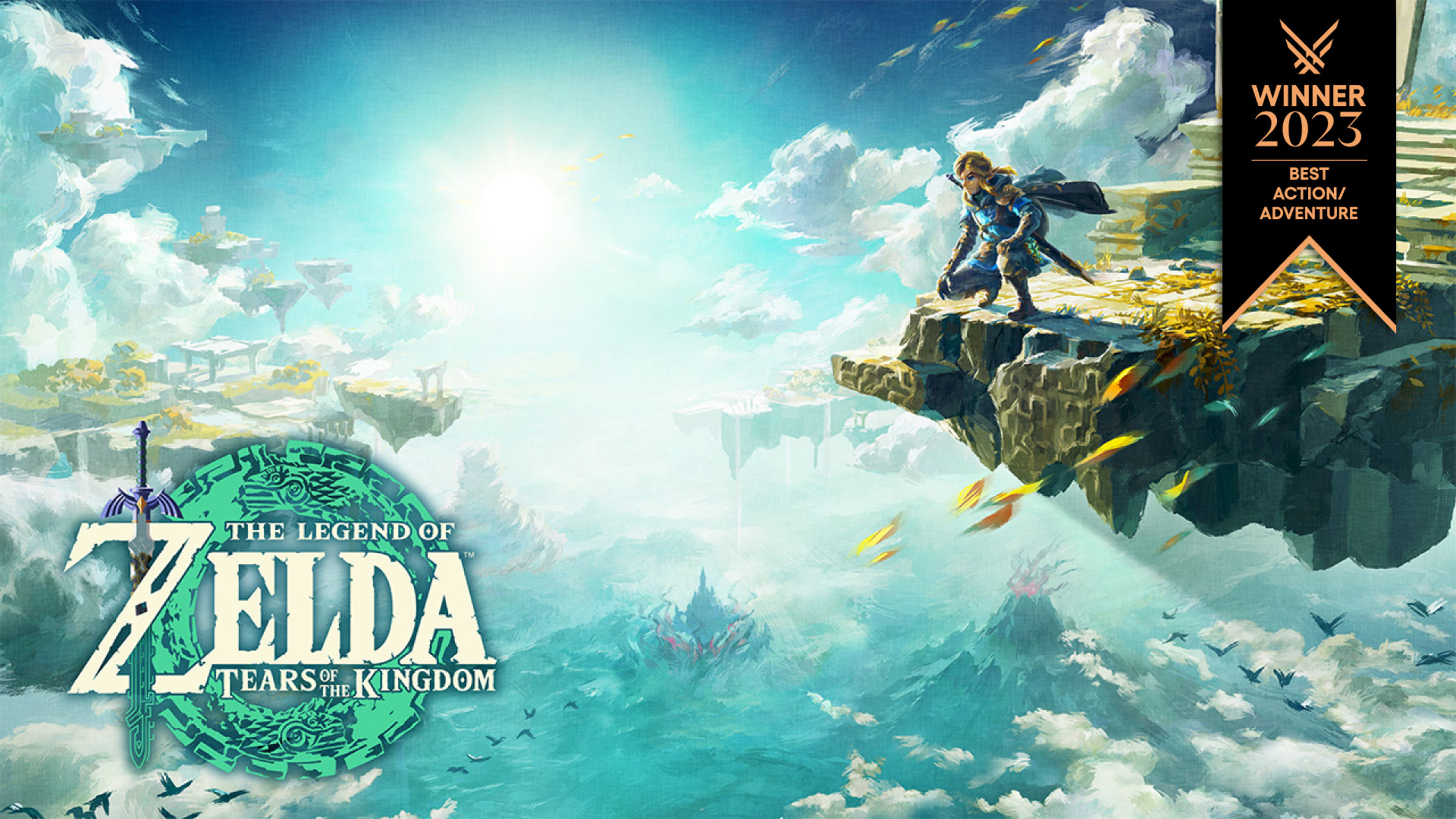
Bottom Line: Nintendo's "Tears of the Kingdom" isn't merely a sequel; it's a profound re-imagining of open-world adventure, leveraging unprecedented player creativity to overcome its technical limitations and occasionally overwhelming ambition.
"Tears of the Kingdom" doesn't just offer an open world; it offers an open system. The genius of Ultrahand and Fuse lies not merely in their existence, but in their seamless integration into every facet of gameplay. Where "Breath of the Wild" was about surviving in a reactive world, its successor is about shaping that world. Faced with a chasm, a lesser game would provide a bridge or a clear path. "Tears of the Kingdom" provides logs, fans, and rockets, then watches as you build a makeshift aircraft, often with hilarious and unexpected results. This emergent design paradigm fuels hundreds of hours of exploration and discovery, ensuring that no two players will solve the same problem identically. The sheer variety of solutions, from the elegant to the absurd, is a testament to Nintendo's confidence in its design philosophy.
However, such boundless creativity comes with a critical trade-off. The freedom of Ultrahand, while exhilarating, can occasionally manifest as fiddly controls for building. Precision crafting on the fly, especially under pressure, requires a level of dexterity that can sometimes break the flow of exploration. This is particularly noticeable when attempting complex contraptions in combat scenarios. Furthermore, the sheer breadth of new mechanics, from crafting to environmental shifts, can feel potentially overwhelming during the initial onboarding. The learning curve isn't steep, but it's broad, asking players to internalize a significant paradigm shift from traditional Zelda conventions.
The narrative, often a secondary concern in open-world titles, is remarkably more structured and emotionally engaging here. Link's quest feels more personal, more urgent, and the gradual unfolding of Hyrule's past through various echoes and memories contributes to a strong sense of wonder and investment. This is a story that, while epic in scale, retains an intimacy often missing from games of this magnitude.
User experience flow is generally excellent, benefiting from years of refinement. Traversal, even across the vastly expanded map, feels fluid, aided by ingenious new methods of ascent and descent. The combat remains largely familiar, but Fuse dramatically alters the tactical landscape. Suddenly, mundane items become potent tools: a rock fused to a sword transforms it into a hammer, a mushroom on an arrow creates a smokescreen. This constant encouragement for innovation in combat keeps encounters fresh, but it also highlights another minor friction point: cumbersome inventory management. With so many items to fuse and experiment with, navigating menus can become a chore, especially when the action demands quick decisions. This friction, while minor in isolation, adds up over hundreds of hours, pulling players momentarily out of the immersive experience.