
Bottom Line: A brutal, beautiful, and emotionally taxing masterpiece of strategy and consequence. The Banner Saga is a grueling journey that rewards investment with one of the most cohesive and moving experiences in modern gaming.
The Weight of Command
The core gameplay loop of The Banner Saga isn't found on the battlefield. It’s found in the quiet, agonizing moments between them. Managing your caravan’s supplies, morale, and population is the real game. You watch your followers—a simple number on the screen—dwindle from Dredge attacks, starvation, or a poor decision you made days ago. The road is long, and the resources are few. Do you stop to investigate the mysterious godstone, risking ambush for a potential reward, or do you press on, conserving what little food you have left? A pop-up event describes a squabble in the caravan; how you resolve it affects morale, costs resources, or might even result in losing a key fighter.
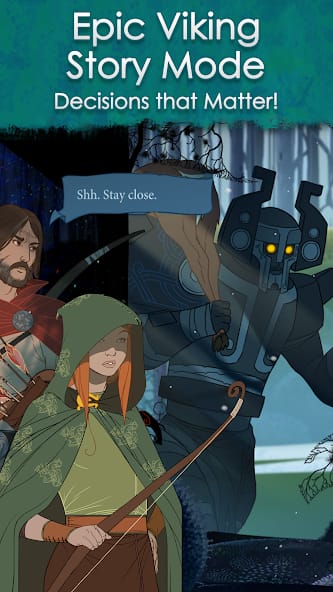
These choices are rarely black and white. They are often between a bad outcome and a worse one. There is no "Paragon" or "Renegade" path, only a trail of consequences you must own. This system is ruthlessly effective at instilling a sense of responsibility. It’s one thing to lose a squad member in a tactical game; it's another to know that a hundred nameless refugees starved because you miscalculated a journey. The game forces you to inhabit the role of a leader, and it is a heavy mantle to bear.
A Deliberate, Brutal Ballet
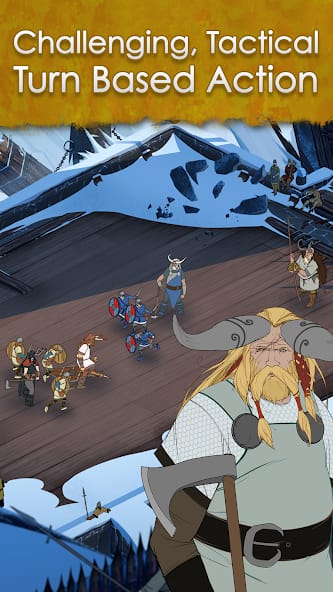
When combat does erupt, it’s a tense and thoughtful affair. The Banner Saga eschews the simple hit-point race of its peers for a more nuanced system. Every unit, friend and foe, has both an Armor and a Strength value. Strength acts as both health and attack power; as a unit is wounded, its ability to inflict damage diminishes. To effectively reduce Strength, you must first break an opponent's Armor. This creates a fascinating tactical dynamic. Do you focus on shattering a powerful enemy's shield, rendering them vulnerable for a killing blow later? Or do you chip away at their Strength to reduce their immediate threat?
The turn order is fixed, alternating between your party and the enemy's, regardless of how many units are on each side. This makes outnumbering the enemy a double-edged sword; your fewer units will get to act more often, but they're also the only thing standing between the Dredge and your caravan. With permadeath a constant threat for most of your heroes, every move is fraught with tension. It’s a system that rewards foresight and punishes recklessness, a perfect mechanical reflection of the game's overarching themes.