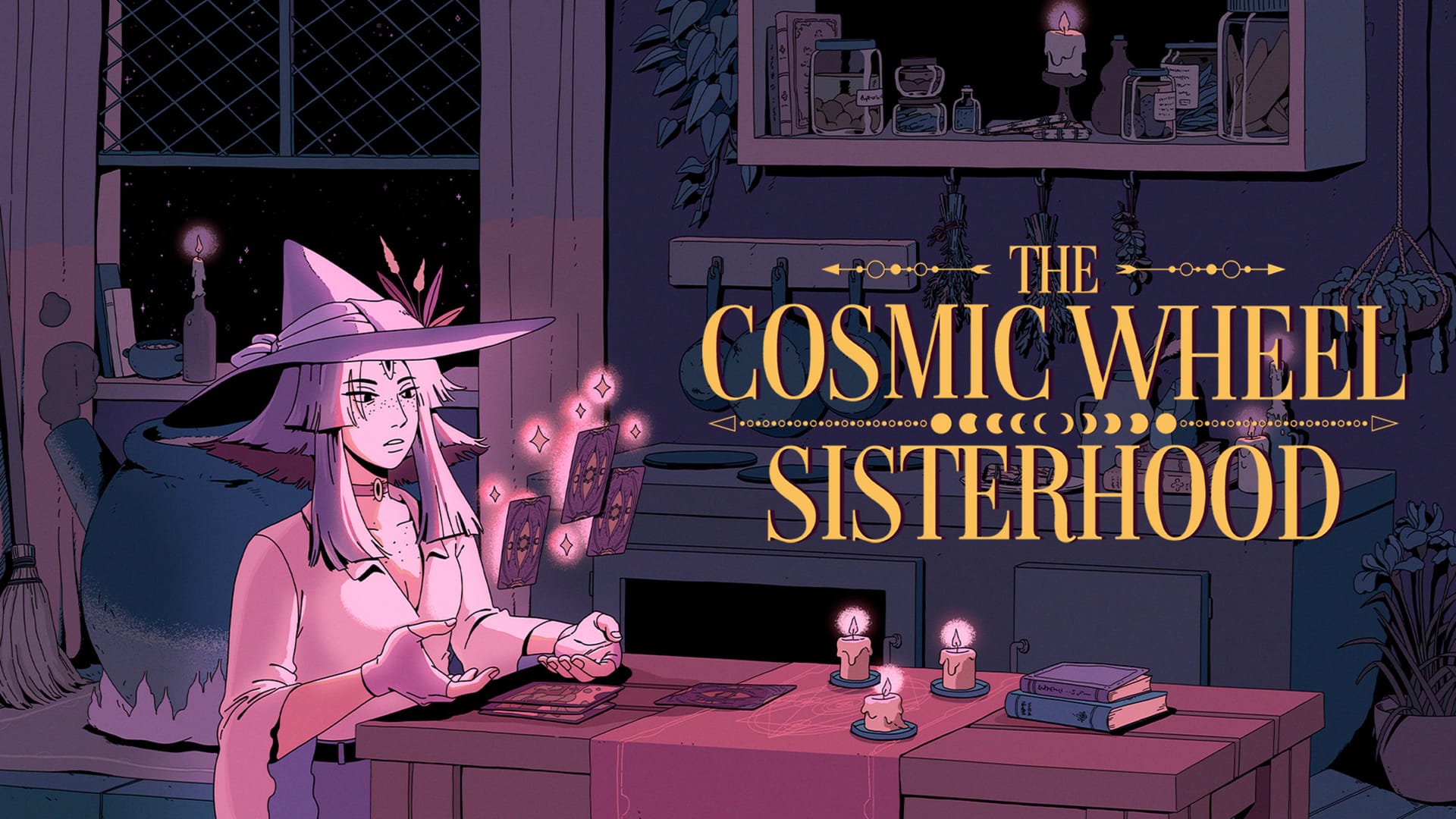
Bottom Line: Deconstructeam's latest, The Cosmic Wheel Sisterhood, isn't just a game; it's a profound, meticulously crafted narrative experience that redefines interactive storytelling with its innovative Tarot card creation system and impactful choices.
The Cosmic Wheel Sisterhood is a masterclass in how a singular, innovative mechanic can permeate and elevate an entire experience. At its core, the game revolves around Fortuna's exile and her quest for redemption and influence, a premise that, on its own, might be compelling. However, Deconstructeam weaponizes the act of Tarot card creation into a profound gameplay loop, transforming what could have been a simple visual novel into something far richer and more interactive.
Players don't just use a Tarot deck; they build it, piece by agonizing piece, selecting archetypes, elemental associations, and symbolic imagery. This isn't a passive customization screen; each choice feels imbued with consequence, as if Fortuna herself is pouring her essence into these arcane tools. The limited resources for card creation—elemental aspects like Water, Air, Earth, Fire—force strategic thinking. Do I create a powerful card now, depleting my resources for future, unknown challenges, or conserve for flexibility? This immediate, tangible constraint connects directly to Fortuna's exiled state, mirroring her limited agency.
The cards, once crafted, are then utilized in divination sequences, which are far from random draws. Fortuna interprets the cards for herself, for visiting members of the Coven, and for other cosmic entities. Here, the player's prior knowledge of their own crafted deck becomes paramount. Understanding the symbolism they chose, the intent behind each card's creation, deeply influences the interpretive dialogue options available. This creates a powerful feedback loop: what you build dictates what you can say, which in turn dictates how the narrative unfolds. The game doesn't just present choices; it makes the player an active participant in constructing the very language of those choices.
The deeply branching narrative is the payoff for this intricate card system. Decisions made through divination, through direct dialogue, and even through the subtle implications of Fortuna’s personal journey reverberate across decades. Characters remember past interactions, societal shifts occur, and the political landscape of the Coven evolves based on the player’s interventions. This is not a simple "A or B" narrative; it's a complex web of causalities that rewards careful consideration and offers genuine replayability. The themes of identity, community, and personal responsibility are not just abstract concepts; they are woven into the very fabric of the choices presented. Fortuna must grapple with the consequences of her forbidden pact, the expectations of her Coven, and her own evolving sense of self. The narrative doesn't shy away from moral ambiguity, forcing players to confront difficult ethical quandaries with no easy answers. While the sheer weight of choice can occasionally feel daunting, it’s precisely this pressure that lends the game its gravitas and emotional resonance. The underlying writing is sharp, witty, and surprisingly philosophical, sidestepping common fantasy tropes to forge its own distinct mythological path.