
Bottom Line: Ill-Fated Studios’ The Exit 8 masterfully leverages the unsettling power of observation and liminal space, delivering a tightly-wound psychological horror experience that transcends its brief runtime. Its brilliance lies in turning player attentiveness into a potent source of creeping paranoia.
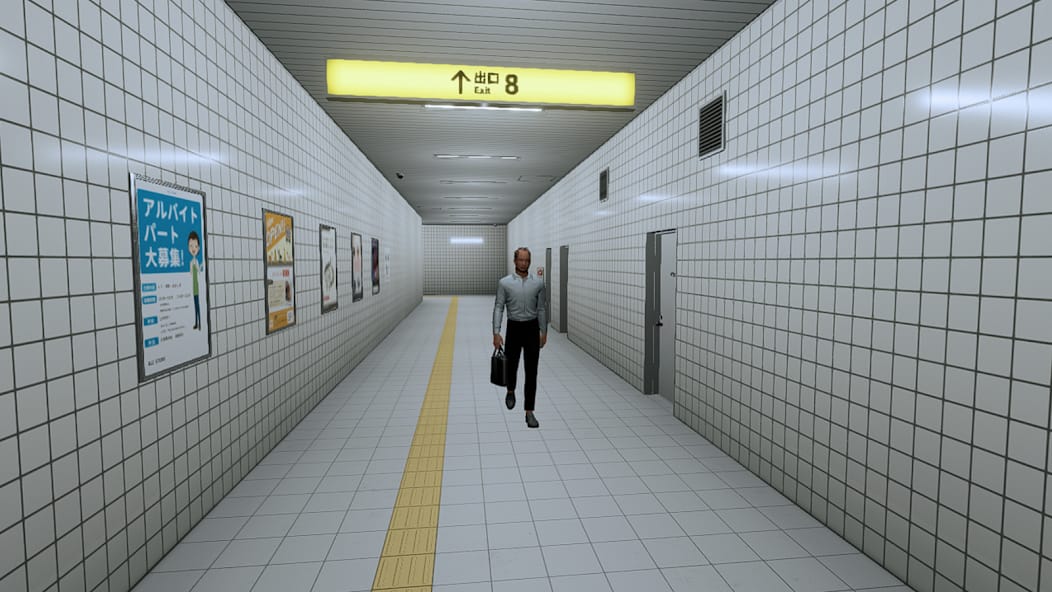
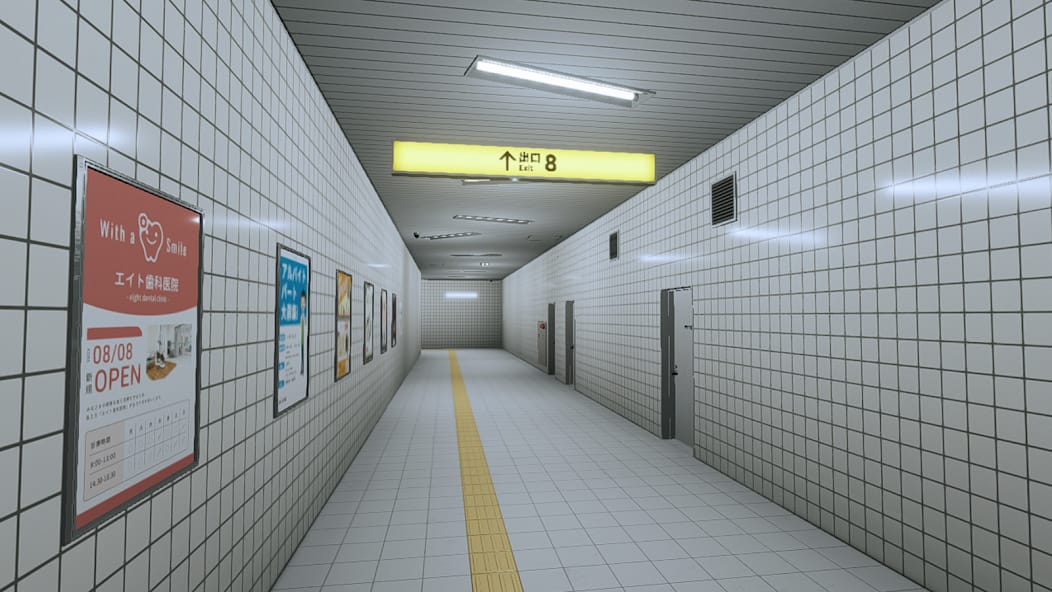
The Exit 8 operates on a principle few games dare to embrace: the weaponization of attention. It posits that the most terrifying antagonist isn't a monstrous entity, but rather the failure of one's own perception. The game’s genius lies in its ability to transform a mundane setting—a nondescript subway passage—into a stage for existential dread. Every fluorescent light, every poster, every floor tile becomes a potential harbinger of a reality warped. This isn't merely a walking simulator; it's a noticing simulator.
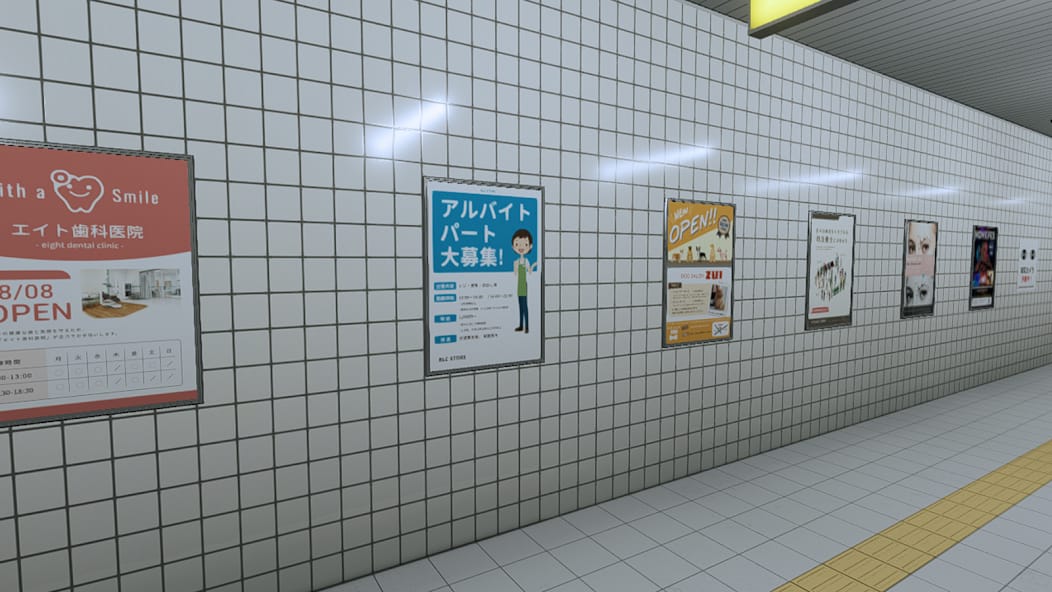
The gameplay loop is deceptively simple: walk, observe, decide. Yet, the psychological burden of this simplicity is immense. The subtle anomalies range from a flickering light that lasts a fraction too long to a poster that wasn't there before, or a door that suddenly appears. The pressure isn't just about spotting these changes, but trusting your own judgment. Did I miss something? Was that always there? This constant self-interrogation is the game's true horror, fostering a paranoia that escalates with each subsequent loop. The "turning back" mechanic, while functionally straightforward, becomes an act of faith. To turn back when no anomaly exists is to prolong the suffering; to proceed when one does exist is to confront an unknown, potentially more unsettling reality.
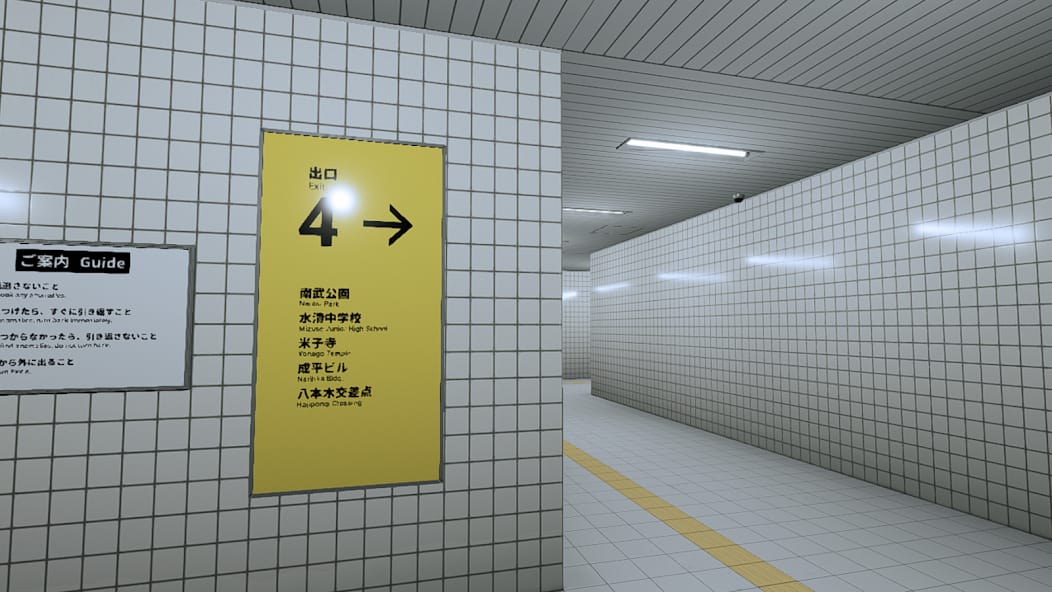
Ill-Fated Studios understands the power of suggestion. The environment, a sterile and repetitive concrete tunnel, becomes increasingly unsettling not through overt threats, but through its relentless banality punctuated by fleeting, uncanny alterations. It's the horror of the familiar becoming alien. The game avoids the pitfall of tedious repetition by ensuring that anomalies, while sometimes minute, are sufficiently varied to keep the player engaged in the hunt. The narrative, sparse as it is, is woven directly into the environment itself, told through the implications of these changes.
However, the brevity of the experience is a double-edged sword. While it prevents the core mechanic from overstaying its welcome and becoming genuinely frustrating, it also means that the deeper psychological implications are explored only superficially. One might argue that its effectiveness hinges on its conciseness, yet the yearning for a more expansive exploration of its chilling concepts is palpable. The game excels as a sharp, incisive psychological experiment, but perhaps less so as a fully realized narrative journey. Its focus is singular, intense, and largely successful.
The Perception Engine
The Exit 8's core mechanic is a perception engine designed to erode player confidence. It forces an active, almost meditative state of observation. Unlike many horror games that rely on cheap scares or gory visuals, this title understands that the most effective fear is internal. The anxiety stems from the player's own fallibility, the fear of missing a critical detail, and the knowledge that one's freedom hinges entirely on their observational acuity. This level of engagement, where the player's mind is the primary tool and the primary victim, elevates it beyond typical genre fare. It becomes a subtle commentary on awareness in an overwhelming world, albeit a digital one.