
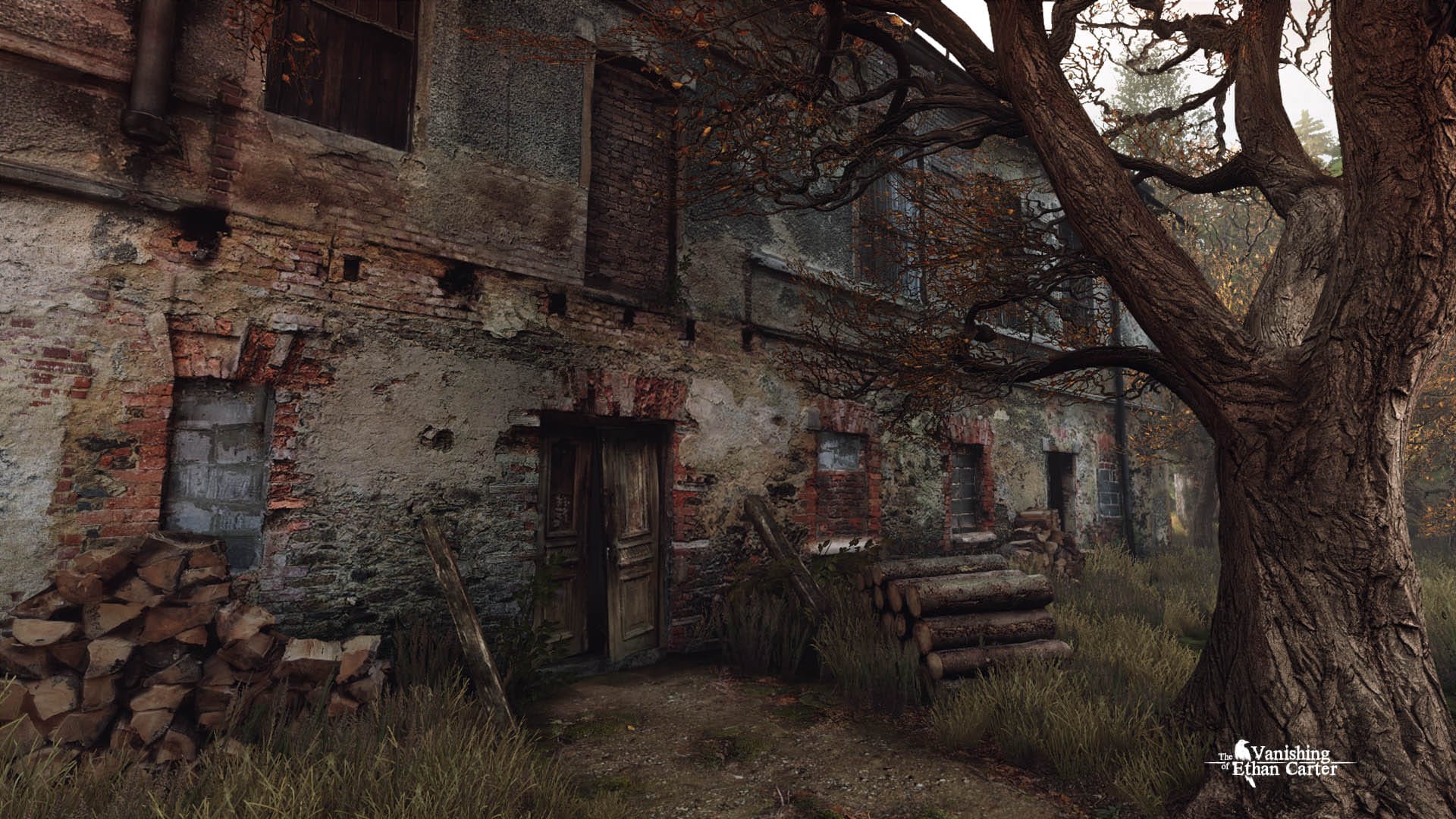
Bottom Line: The Astronauts' The Vanishing of Ethan Carter is a masterclass in atmospheric narrative, using groundbreaking photogrammetry to render a hauntingly beautiful world that demands patience and rewards profound engagement with its dark, imaginative core.
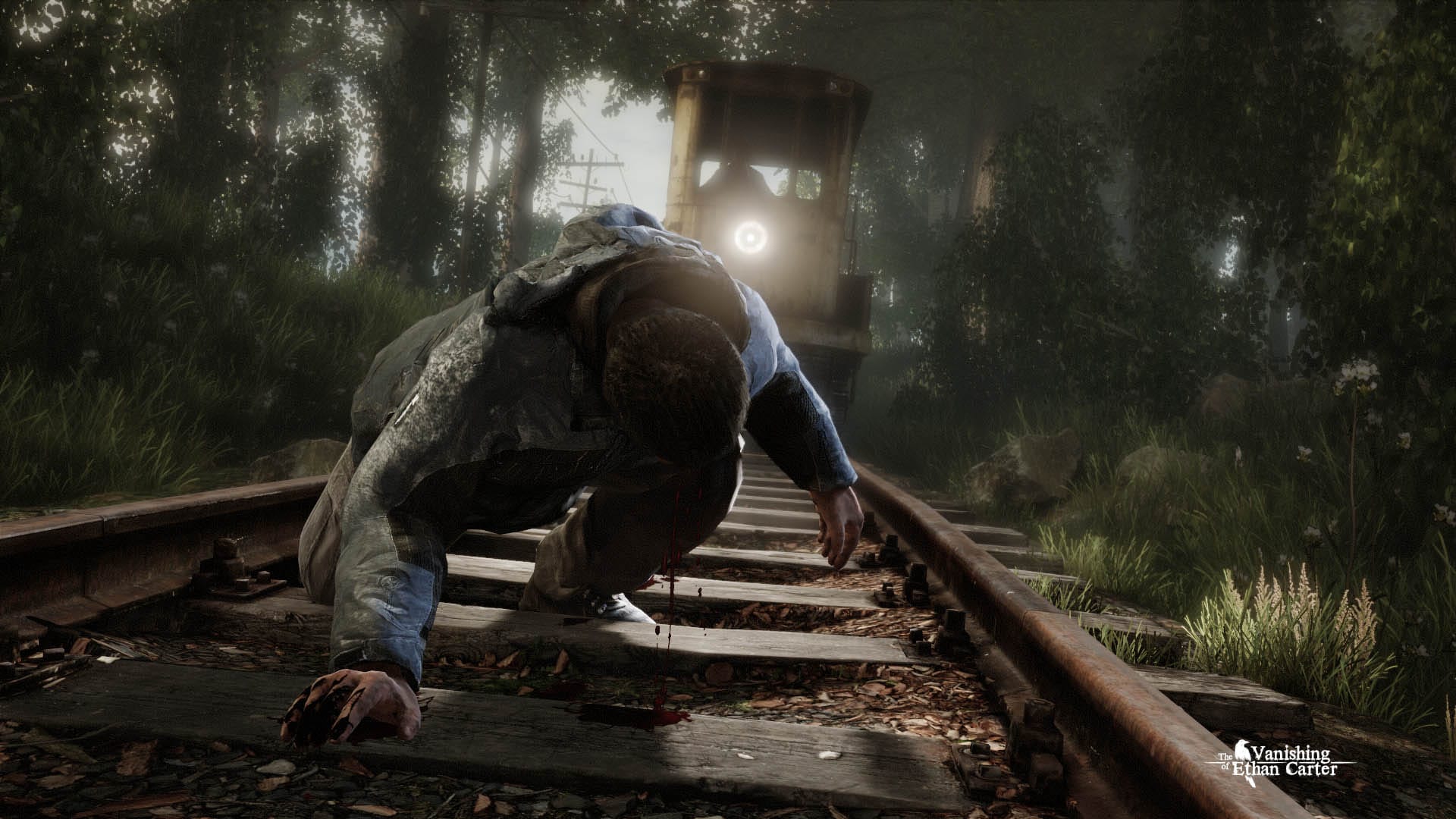
At its core, The Vanishing of Ethan Carter is a masterclass in atmospheric narrative, a game that dares to trust its player. The Astronauts deliberately strips away the conventions of modern gaming—no HUD, no objective markers, no combat—forcing a paradigm shift in how players approach its meticulously rendered world. This 'no hand-holding' philosophy isn't just a design choice; it's the very fabric of the experience, encouraging genuine environmental deduction. Players aren't passively led; they are active participants in Paul Prospero’s investigation, each discovered note, discarded toy, or fragmented scene demanding their full intellectual and emotional engagement. The game leverages the psychological effect of absence, crafting a pervasive sense of unease not through jump scares, but through the weight of unspoken tragedy and hinted-at horrors.
Prospero’s occult abilities form the central interaction loop, a delicate dance between observation and supernatural reconstruction. Finding key objects scattered across the valley allows Prospero to glimpse the moments leading up to the fateful events. Once all pieces of a scene are uncovered, the player then mentally—or rather, paranormally—reassembles the sequence of occurrences, placing ethereal visions in chronological order. When this intricate puzzle clicks, a full memory plays out, revealing a crucial snippet of Ethan’s story and the dark forces at play. This mechanic is remarkably effective; it avoids the pitfalls of arbitrary puzzle design, instead making each reconstruction feel like a genuine breakthrough, a true moment of insight into the unfolding tragedy. It’s less about solving a riddle and more about witnessing a painful history, filtering it through Prospero’s supernatural lens.
The game’s narrative power stems from its audacious blend of genres. It begins as a grounded private eye mystery, quickly veering into the unsettling realm of 'weird fiction.' The influences of authors like H.P. Lovecraft and Algernon Blackwood are palpable, not in direct homage, but in the pervasive sense of cosmic dread and the blurring of psychological distress with supernatural malevolence. Crucially, Ethan Carter doesn’t rely on cheap horror thrills. Its unsettling atmosphere is born from the psychological torment of Ethan's family and the 12-year-old's vibrant, sometimes terrifying, imagination. The game skillfully interweaves these elements, suggesting that the grotesque events Prospero uncovers are often manifestations of Ethan's internal struggles, given terrifying form by the ancient, malevolent entities hinted at in the deeper lore. This layered storytelling elevates the experience from a simple whodunit to a profound exploration of childhood trauma, creativity, and the human capacity for both wonder and terror.
However, this deliberate pacing and absence of explicit guidance can be a double-edged sword. While it fosters incredible immersion for those who embrace its rhythm, some players may find the initial hours slow or even frustrating. The lack of traditional signposting means moments of aimless wandering are possible, occasionally breaking the carefully constructed spell. Yet, for those willing to surrender to its unique cadence, The Vanishing of Ethan Carter delivers a narrative density and emotional resonance rarely achieved in the medium. It demands contemplation, rewarding patience with a story that is as intellectually stimulating as it is emotionally devastating, dissecting the fragile boundary between reality and the stories we construct to cope with it.