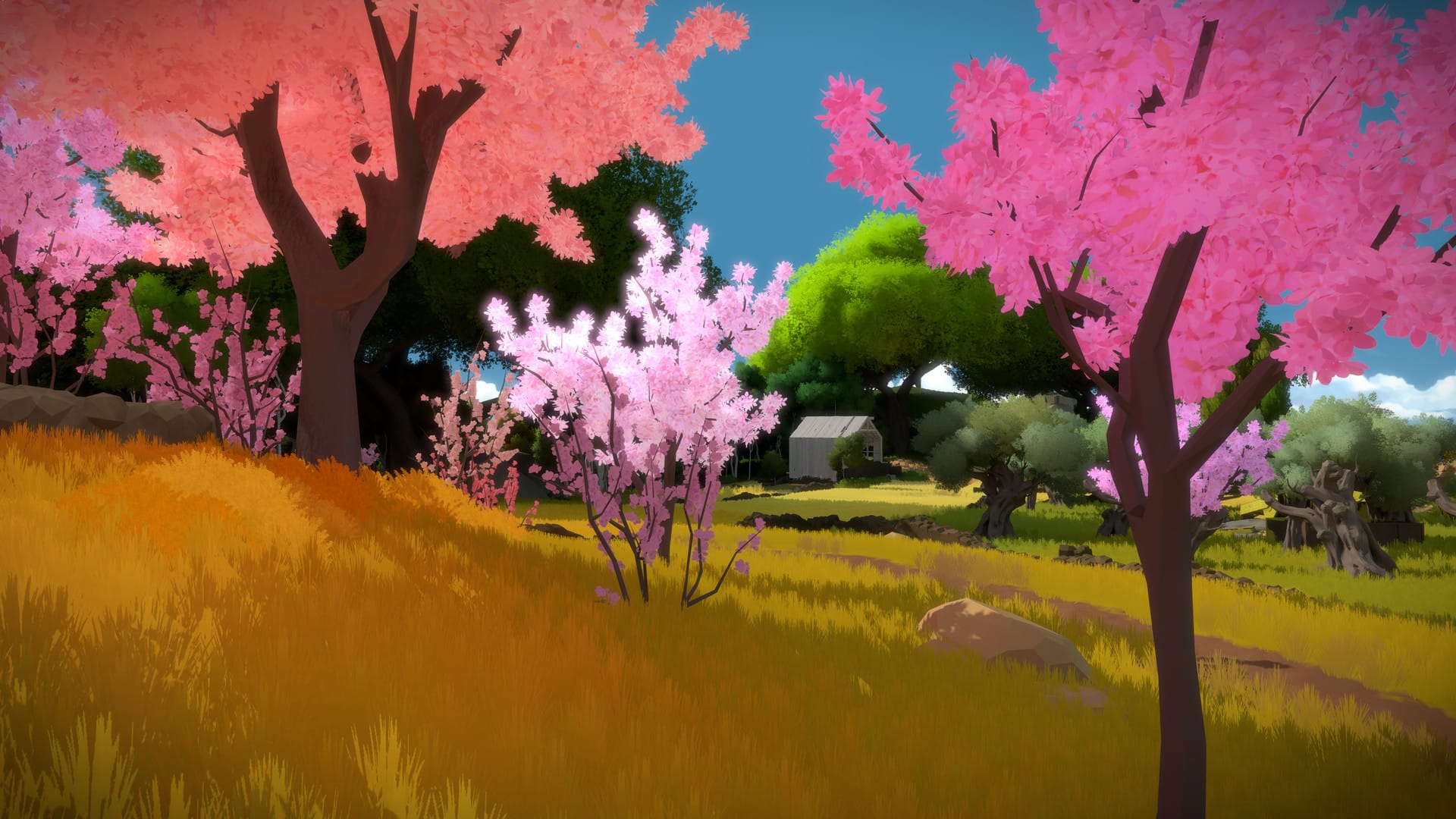
Bottom Line: The Witness is a staggering achievement of interactive design—a beautiful, mysterious island that teaches a complex language without uttering a single word. It's a game that respects your intelligence so fiercely it borders on arrogance, making it one of the most rewarding and infuriating experiences in modern gaming.
The Witness is less a collection of puzzles and more a complete, self-contained logical language. It is a work of profound confidence, and at times, staggering hubris, in its own design.
The Language of Lines
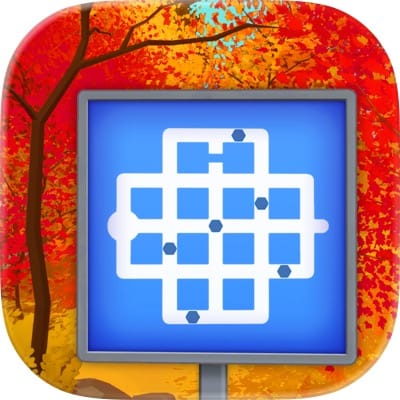
The core of the experience is the grid panel. You draw a line from a start point to an end point. That’s it. But this simple verb is quickly complicated by a cascade of rules introduced with masterful subtlety. First, you must separate black and white squares. Then, you must pass through a series of dots. Soon, you’re contending with symmetrical lines, nested "tetris" blocks that must be cordoned off, and combinations of these rules that turn a simple grid into a logical minefield.
The brilliance is in the teaching. The game presents a string of panels, each a slight variation on the last. By solving them in sequence, your brain internalizes the rule without a single word of text. It's a design philosophy that feels revolutionary. You aren't just solving a puzzle; you are learning a lexicon. This process is intensely rewarding. The moment a previously indecipherable symbol clicks into place, the game delivers a jolt of intellectual satisfaction that few other titles can match. However, the complete lack of feedback when you're wrong can lead to long, punishing periods of banging your head against a wall, questioning if you've missed a core concept or if the puzzle is simply beyond your grasp.
An Island as a Teacher
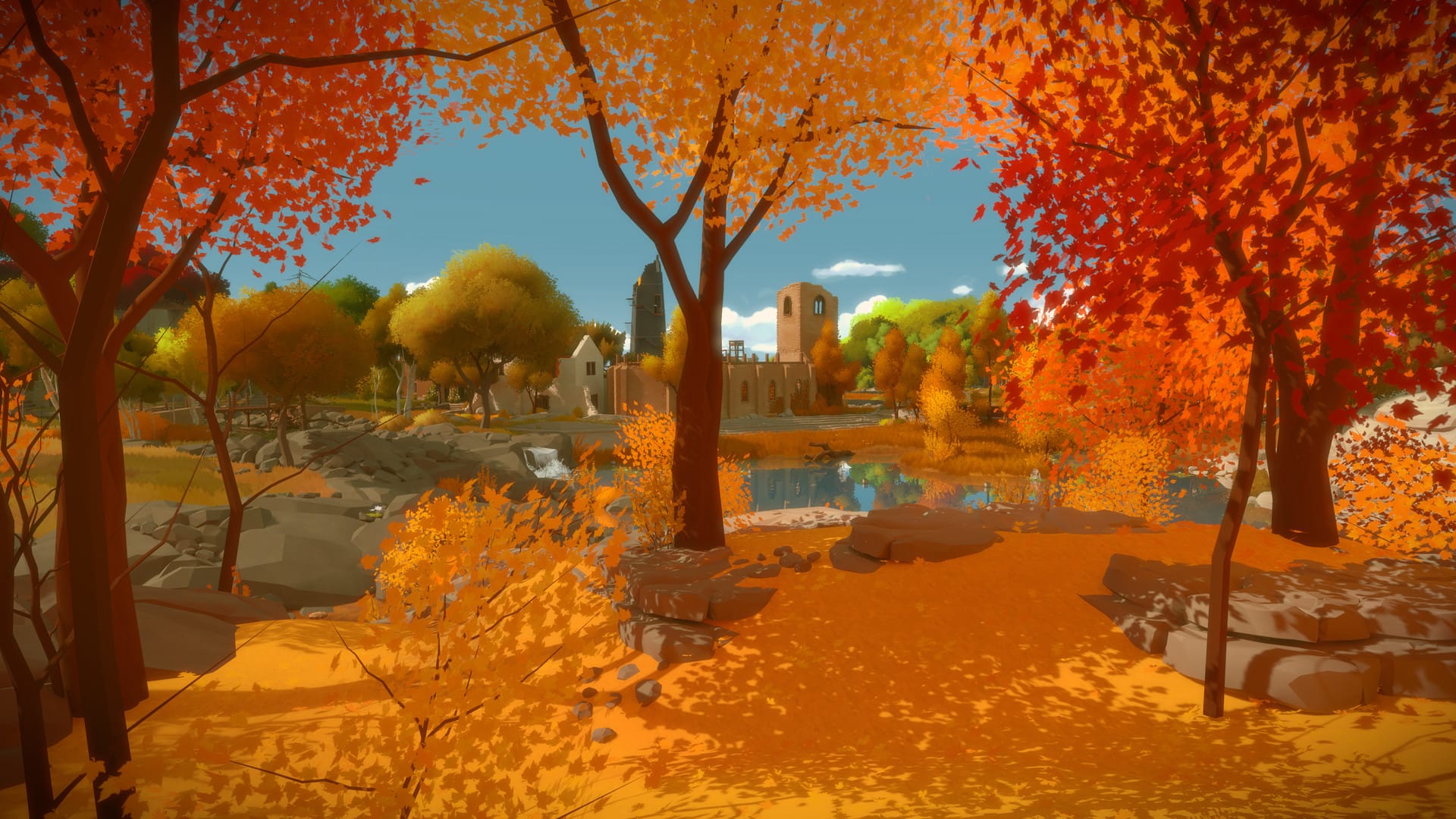
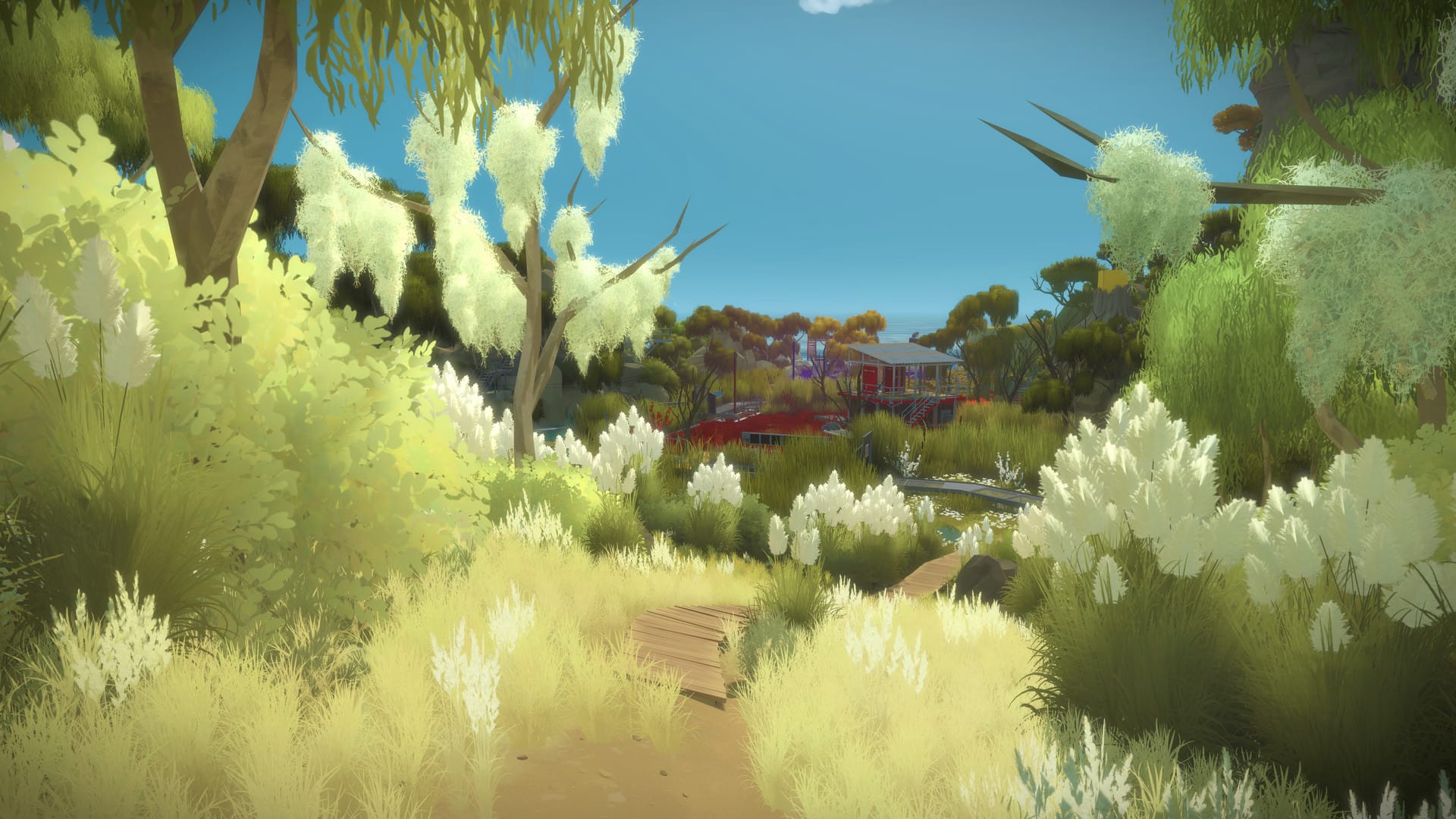
The true genius of The Witness reveals itself when you realize the panels are only half the game. The island itself is the master puzzle. You begin to see the same grid patterns in the architecture, the flora, and the very ground you walk on. A winding riverbed mirrors the path on a nearby panel. The branches of a tree form the solution to an otherwise impossible puzzle. These are the "environmental puzzles," and discovering the first one is a revelatory moment that recontextualizes the entire world.
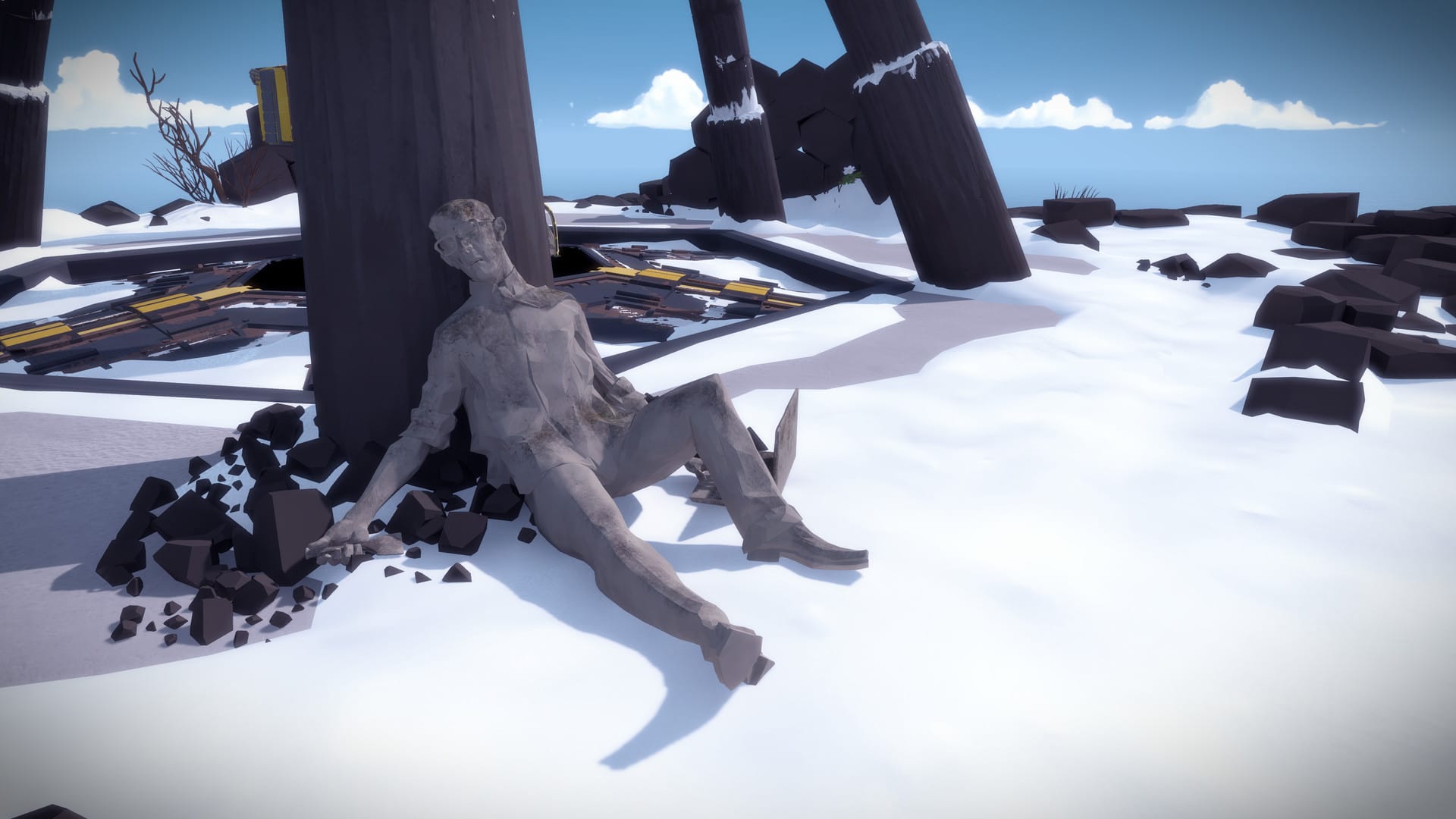
This is where Thekla Inc.'s design transcends mere cleverness and approaches art. The game forces you to change how you see, to look past the obvious and search for patterns in everything. It cultivates a state of heightened awareness, a "puzzler's mindset," that few games have ever successfully induced. The minimalist narrative, conveyed through scattered audio logs, complements this perfectly. The philosophical musings within them touch on the nature of perception, science, and epiphany, framing your gameplay not as a trivial pursuit but as a microcosm of the scientific and artistic process itself. It’s a bold, ambitious conceit that largely succeeds.