
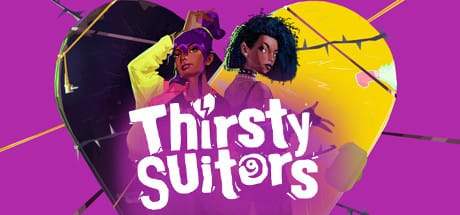



Bottom Line: Outerloop Games delivers a remarkably fresh and emotionally resonant experience, weaving disparate gameplay mechanics into a cohesive narrative, despite some minor mechanical repetitions.
The linchpin of Thirsty Suitors’ design is undoubtedly its psychodrama battles. These aren't your typical turn-based skirmishes; they are elaborate theatrical productions where Jala confronts her former flames, not with swords and spells, but with sharp wit and deeper emotional insights. The system, while initially feeling like a whimsical abstraction, quickly reveals a surprising layer of tactical depth. Players must carefully observe opponent "moods" and vulnerabilities, deploying specific taunts and narrative choices as "attacks" to chip away at their emotional defenses. Success hinges less on brute force and more on empathy—or at least, the strategic application of it. This innovative approach effectively externalizes Jala's internal conflict, transforming relational baggage into tangible, defeatable foes. However, the combat occasionally leans into repetition, and the psychological impact of certain "moves" can feel less impactful as the game progresses, especially if players discover optimal strategies early on. The true genius lies in how these battles serve the narrative, driving character development and forcing Jala (and the player) to reflect on her past actions and their consequences.
Beyond the emotional arena, Timber Hills offers a surprisingly robust skateboarding system. What could have been a mere traversal mechanic blossoms into a compelling side activity. Mastering the nuanced controls for grinds, flips, and manuals provides a satisfying kinetic counterpoint to the game's more cerebral battles. It's an elegant design choice that prevents the narrative heavy lifting from becoming stagnant, offering moments of unadulterated, fluid movement. This mechanic isn't just window dressing; it contributes to Jala's self-discovery, allowing her to literally navigate and master her environment, echoing her internal journey. The sense of flow and momentum achieved during skateboarding segments is genuinely engaging, offering a welcome respite and an alternative mode of engagement with the game's world.
The cooking segments are another stroke of inspired eccentricity. These action-packed, rhythm-based mini-games aren't simply a diversion; they're deeply interwoven with Jala's South Asian heritage and family dynamics. Each dish prepared acts as a symbol, a reconnection to her roots, and often serves as a peace offering or a means of expressing unspoken affection. While mechanically distinct, these segments contribute significantly to the game's overall thematic richness, grounding Jala's fantastical battles in a tangible, culturally specific reality. The tactile satisfaction of perfectly executed cooking commands reinforces the narrative beats, making these seemingly disparate elements feel organically connected to Jala's journey of healing and reconciliation. The seamless integration of these three disparate mechanics—psychodrama, skateboarding, and cooking—is a clear achievement for Outerloop Games. While each element could stand alone as a decent mini-game, their synergy elevates Thirsty Suitors into something genuinely unique. The user experience flow is remarkably smooth; transitions between narrative, combat, and exploration feel organic, preventing any one mechanic from overstaying its welcome. The writing, consistently praised by both critics and players, maintains a high caliber throughout, delivering genuine laughs and poignant reflections. The dialogue is sharp, often self-aware, and avoids the common pitfalls of overly earnest indie narratives. This meticulous attention to narrative craft ensures that even when a particular gameplay loop might momentarily falter, the overarching story and character arcs compel players forward. Ultimately, Thirsty Suitors presents a refreshingly mature take on the coming-of-age story, eschewing clichés for a nuanced, vibrant, and surprisingly tactical emotional journey.