

Bottom Line: Thronefall is a masterful exercise in reductionism, stripping the strategy and tower defense genres down to their diamond-hard core. What remains is a dangerously addictive loop of risk, reward, and royal combat.
The genius of Thronefall is not in any single revolutionary mechanic, but in the ruthless grace with which it combines existing ones. It lives and dies by its core gameplay loop, a cycle so tightly wound and immediately rewarding that it feels less like a game and more like a finely tuned engine for generating small, satisfying victories.
The Gameplay Loop
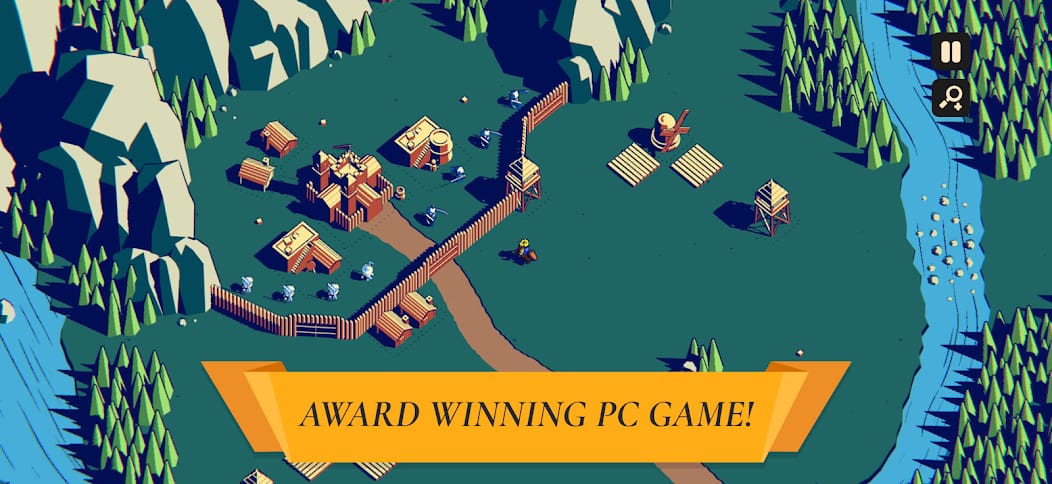
The day phase is a lesson in agonizing decisions. Do you build another farm, sacrificing immediate defensive strength for long-term economic gain? Or do you construct a barracks, knowing you might not have the gold to upgrade your archers before the next assault? The game forces you to constantly weigh greed against security. Because resources are so scarce, every single coin matters. Placing a mill in the perfect spot to boost the income of six surrounding farms feels like a monumental triumph. This economic puzzle is the foundation upon which the nightly chaos is built.
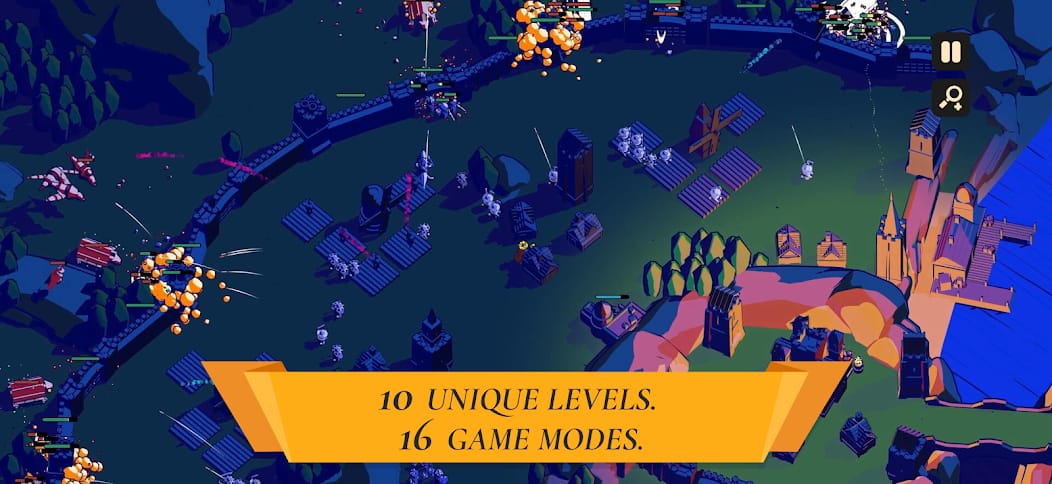
When night falls, the game shifts gears completely. Your strategic planning gives way to tactical execution. Suddenly, your position on the battlefield is the only thing that matters. Charging your monarch into a pack of enemy brutes to buy your archers a few precious extra seconds is a common, and thrilling, requirement. This fusion of responsibility—planner by day, warrior by night—is what elevates Thronefall above its tower defense peers. You are wholly accountable for both the design of the fortress and the mettle of its last line of defense: you. The feedback is immediate and unambiguous. If your defenses crumble, you know precisely which daytime decision led to the failure.
Strategic Depth vs. Simplicity
The game’s aesthetic minimalism is mirrored in its mechanical depth. The unit roster is small. There are infantry, archers, and spearmen, with a few elite variants. The economy is just gold. Yet from these simple ingredients, a complex strategic calculus emerges. The placement of a single wall can create a fatal chokepoint. The choice between a longbow that pierces multiple enemies and a magical staff that summons ethereal soldiers fundamentally alters your combat approach.
The Steam community's near-unanimous praise is not misplaced. It stems from the game's respect for the player's intelligence. It provides the tools and trusts you to discover the synergies yourself. While veterans of the genre may eventually find the content offering a bit light—a valid criticism noted in player feedback—the strategic permutations offered by the perk and weapon systems provide a surprisingly long tail of replayability.